Interior Design Solutions That Enhance Comfort and Style
Giulia Bianchi September 26, 2025
Interior design solutions that enhance comfort and style are shaping the way we live in 2025. From smart furniture to sustainable materials, today’s homes prioritize both beauty and functionality. Here’s how the latest design trends can transform your space into a stylish, comfortable retreat.
The Rise of Functional Comfort in Modern Interiors
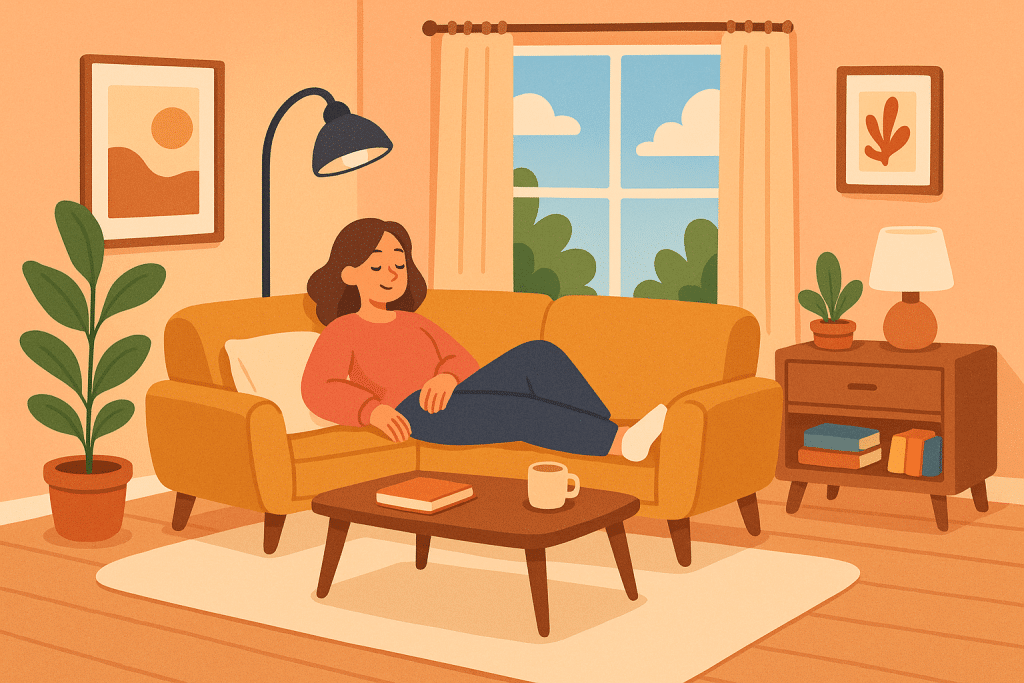
The modern home is no longer just a place to live—it’s a sanctuary where comfort and style blend seamlessly. The post-pandemic era has redefined interiors, pushing homeowners to prioritize cozy yet stylish spaces that support work, relaxation, and social connection.
A recent survey by the American Society of Interior Designers (ASID) revealed that 70% of homeowners now rank comfort as their top design priority, even above luxury aesthetics (ASID 2023). This shift is fueling innovation in furniture, materials, and layout strategies.
Smart Furniture: Blending Technology and Style
One of the most exciting developments in interior design solutions that enhance comfort and style is smart furniture. These are pieces designed with embedded technology that adapt to users’ needs.
- Adjustable smart sofas with built-in massage functions.
- Convertible desks that shift between work and leisure modes.
- AI-powered lighting systems that adjust brightness and color to match mood or time of day.
According to a 2023 report from Grand View Research, the global smart furniture market is expected to grow at a CAGR of 12.3% from 2024 to 2030, driven by consumer demand for comfort-enhancing technology (Grand View Research 2023).
Sustainable Materials: Comfort with a Conscience
Sustainability is no longer an option—it’s a standard. Eco-friendly materials not only enhance comfort through better air quality and tactile warmth but also add long-term value to homes.
Popular sustainable choices include:
- Cork flooring: soft underfoot, sound-absorbing, and renewable.
- Reclaimed wood furniture: rustic appeal with eco-credentials.
- Low-VOC paints: improving indoor air quality for healthier living.
Research from the World Green Building Council found that sustainable interiors reduce indoor pollutants and can improve occupants’ productivity and well-being by up to 20% (WorldGBC 2022).
Biophilic Design: Bringing the Outdoors Inside
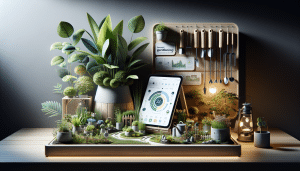
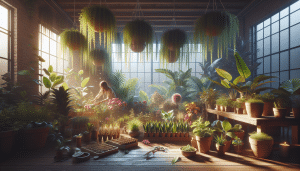
Biophilic design—integrating natural elements into interior spaces—remains one of the strongest trends in 2025. By connecting people to nature, biophilic interiors are proven to reduce stress, enhance focus, and improve mood.
Practical ways to implement biophilic design:
- Indoor plant walls and vertical gardens.
- Large windows maximizing daylight.
- Natural textures like stone, bamboo, and linen.
A study published in Frontiers in Psychology demonstrated that biophilic design reduces cortisol levels and increases relaxation in home environments (Gillis and Gatersleben 2015).
Flexible Living Spaces: Comfort for Every Occasion
Open-plan living has evolved into flexible zoning, where rooms serve multiple purposes without compromising style.
Examples include:
- Sliding partitions that create privacy when needed.
- Modular furniture that adapts from entertaining to working.
- Hidden storage systems keeping spaces clutter-free.
This approach maximizes both comfort and style, making homes adaptable to modern lifestyles where work-from-home is now common.
The Role of Color Psychology in Comfort and Style
Colors have a profound impact on both comfort and aesthetics. Designers in 2025 are leveraging calming palettes to enhance well-being:
- Soft greens: evoke nature and tranquility.
- Warm neutrals: provide grounding and coziness.
- Bold accents: add style without overwhelming the senses.
Pantone’s Color of the Year 2025 is predicted to focus on restorative tones, reflecting a cultural need for serenity and balance (Pantone 2024).
The Minimalist-Maximalist Balance
Minimalism’s clean lines are still in vogue, but many homeowners are now leaning toward a maximalist twist—layering textures, bold art, and statement furniture within simplified layouts.
This balance allows for stylish, personalized interiors while maintaining comfort and harmony. The trend is especially popular among Gen Z and Millennials, who value both visual storytelling and cozy functionality in their spaces.
Smart Climate and Lighting Control
Comfort in design also means control over the environment. Smart thermostats, motorized blinds, and circadian rhythm lighting systems are becoming essentials rather than luxuries.
- Smart thermostats reduce energy bills while maintaining comfort.
- Adaptive lighting aligns with the body’s natural cycles, promoting healthier sleep.
According to a 2023 Statista report, 40% of U.S. households now own at least one smart home device related to comfort control (Statista 2023).
Affordable Luxury: Making Style Accessible
A growing trend is affordable luxury, where high-end looks are achieved without massive budgets. Retailers are now offering mass-market lines of stylish yet comfortable furniture, while DIY solutions are booming thanks to social media tutorials.
Key strategies for affordable comfort and style:
- Mix designer statement pieces with budget-friendly basics.
- Use texture layering—like throws, rugs, and pillows—for cozy elegance.
- Invest in timeless staples instead of fast furniture.
How to Implement Interior Design Solutions That Enhance Comfort and Style
If you’re planning a refresh in 2025, follow this practical plan:
- Assess your lifestyle needs. Decide whether your home should be optimized for work, relaxation, or entertaining. This helps you avoid designing for “looks only.”
- Choose a core style. Minimalist, biophilic, industrial, or eclectic—pick one that fits your taste and daily habits. A clear base style makes mixing and matching much easier.
- Prioritize comfort. Invest in quality seating, layered lighting, and smart climate control. Comfort is what turns a stylish room into a livable one.
- Add sustainable touches. Eco-friendly paints, reclaimed wood, and energy-saving appliances are no longer niche—they’re becoming the 2025 standard.
- Layer in personality. Artwork, accent colors, textured rugs, or greenery keep your space from feeling like a showroom. Small details make it uniquely yours.
Conclusion
Interior design solutions that enhance comfort and style are reshaping modern living. From smart furniture and biophilic design to sustainable materials and affordable luxury, these trends reflect a growing demand for homes that are functional, stylish, and healthy.
As 2025 unfolds, the most successful interiors will be those that combine technology, sustainability, and personalization—creating spaces where people feel both comfortable and inspired.
References
- Houzz Editorial Team. (2022) Top Interior Design Trends for Creating Comfortable and Stylish Homes. Houzz. Available at: https://www.houzz.com (Accessed: 26 September 2025).
- American Society of Interior Designers (ASID). (2021) The Impact of Design on the Human Experience. ASID. Available at: https://www.asid.org (Accessed: 26 September 2025).
- Architectural Digest. (2023) How to Balance Comfort and Elegance in Modern Interior Design. Architectural Digest. Available at: https://www.architecturaldigest.com(Accessed: 26 September 2025).

 How AI Supports Business Growth and Innovation