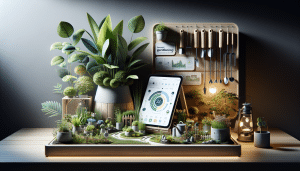
Surprising Ways Houseplants Can Change Your Home
Giulia Bianchi September 26, 2025
Explore how introducing houseplants to your living space can dramatically enhance indoor air, boost mood, and even influence the health of your home environment. This guide uncovers the science, benefits, and practical steps for turning any room into a greener, healthier sanctuary using everyday plants.
Why Houseplants Go Beyond Decoration
Houseplants are often viewed as decoration, but their influence goes much deeper than appearances. Many households introduce indoor plants primarily for the pop of color or stylish touch they add to a space. However, there’s an increasing body of research connecting houseplants to positive impacts on air quality, stress levels, and even cognitive function. Greenery indoors is linked to perceived tranquility, making rooms feel more relaxed and comfortable. When selecting foliage, people are often surprised by just how much these living organisms can transform the feel of a home.
Plants like peace lily, snake plant, spider plant, and pothos are among favorites. Their low-maintenance nature and adaptability make them perfect for beginners or busy lifestyles. People also notice subtle shifts: rooms with houseplants tend to feel fresher and more hygienic. Many enthusiasts believe that plants create a natural balance, removing the staleness that can accumulate in closed environments. In essence, the functional and aesthetic roles of houseplants often blend seamlessly, providing continuous benefits beyond mere looks.
Recently, the connection between greenery and well-being has found support in studies highlighting stress reduction, improved focus, and lower heart rates among individuals exposed to houseplants. The presence of lush leaves and soil microorganisms prompts curiosity from visitors and adds a lively dimension that synthetic decor simply can’t replicate.
Aside from aesthetics and psychological impact, there’s another benefit receiving growing attention: air purification. Some popular houseplants have shown the ability to filter indoor pollutants like formaldehyde, benzene, and xylene. These volatile organic compounds exist in many common household products and can contribute to headaches and fatigue. Snake plants, for example, have garnered interest due to their uncanny knack for absorbing toxins during both day and night cycles. This unique trait makes them superior companions for bedrooms or workspaces where air quality truly matters.
Research conducted by NASA originally highlighted the air-cleaning properties of indoor plants, though more recent studies suggest that the real-world impact is modest unless using a large number of plants in a well-sealed space (Source: https://www.bhg.com/gardening/houseplants/care/houseplants-that-clean-air/). Still, the combination of visual freshness, subtle scent, and the psychological reassurance plants bring creates a holistic effect on home health that many find hard to ignore.
Plants connect humans back to nature. Modern lifestyles often distance us from green environments, leading to stress and disconnection. Filling a room with leafy companions is an accessible way to counteract the effects of urban living and technology overload. Many individuals report improved mood and well-being simply by caring for their plants—watering, pruning, and watching new growth unfold. This nurturing ritual allows people to pause, observe, and unplug, cultivating mindfulness right at home. Houseplants thus emerge as powerful allies, quietly changing the behavior and feelings of those who share their space.
Cleaning the Air With Houseplants: What Science Says
One of the most intriguing claims about houseplants is their capacity to remove toxins from indoor air. Many online articles reference the NASA Clean Air Study, which looked into how certain common houseplants could absorb harmful chemicals from the air (Source: https://ntrs.nasa.gov/api/citations/19930073077/downloads/19930073077.pdf). The study found that varieties like English ivy, peace lily, and golden pothos could absorb pollutants such as benzene and trichloroethylene when grown in controlled settings. These findings fueled a surge in houseplant popularity as natural air purifiers. But do these results translate to real homes?
Later research clarified that while plants do take up certain chemicals, the process is slow in most households. For significant air purification, a very high number of plants would need to be placed throughout every room—often more than what’s practical. Despite this, their presence still offers indirect air quality benefits. As plants release moisture vapor, they may slightly raise humidity and reduce dust levels, contributing to a fresher-feeling environment even if they don’t directly eliminate all toxins.
Even when not dramatically cleansing the air, houseplants provide another overlooked benefit: helping reduce airborne particulates. When leafy surfaces gather dust, they may trap tiny particles and allergens that would otherwise circulate through a home. Regularly wiping down leaves prevents the buildup and keeps plants healthy, while also reducing overall dust levels on furniture and electronics.
Some people with allergies have found that a carefully selected group of plants, such as Boston ferns and rubber trees, do not aggravate symptoms and can help maintain more stable humidity. Since indoor air often contains less moisture than outdoor air, houseplants naturally increase humidity by releasing water vapor during transpiration. This can be soothing during dry winter months, making every breath feel a bit softer and less harsh.
Another aspect that’s gathering attention is the microbial ecosystem within the soil of potted plants. These communities of bacteria can degrade indoor pollutants over time, adding a subtle but continuous air improvement effect to homes with green companions (Source: https://www.ncbi.nlm.nih.gov/pmc/articles/PMC3182765/). Houseplants interact with airborne compounds not only through leaves, but also via root zones and microbes, providing a multi-layered filtration system. For those dedicated to maximizing air quality at home, pairing select plant species with proper ventilation strategies proves most effective. In truth, plants act as gentle supporters of indoor air wellness rather than sole solutions to pollution.
Emotional Benefits: Houseplants and Your Well-Being
Have you noticed a sense of calm in a room filled with houseplants? The emotional impact of greenery is subtle but significant. Studies show that simply looking at indoor plants can lower blood pressure and heart rates, fostering a calmer mood (Source: https://www.apa.org/monitor/2020/04/nurtured-nature). People often use plants as a gentle way to unwind after a hectic day or as an anchor point for mindfulness exercises. Their presence invites moments of stillness, encouraging residents to breathe deeply and observe, even if only for a few minutes.
Incorporating houseplants into communal living spaces, such as living rooms or kitchens, creates conversation starters and strengthens connections among household members. Families may choose to care for plants together, turning plant maintenance into a shared ritual. For those living alone, tending greenery helps combat feelings of isolation by offering a sense of responsibility and nurturing. Watching a plant unfurl new leaves or bloom can boost positive emotions and provide a rewarding sense of progress in everyday life.
This interaction isn’t limited to adults. Many parents introduce children to indoor gardening as an easy home activity. The hands-on care plants require teaches patience and responsibility while providing an accessible way to connect children with natural cycles, even in urban environments.
Some research even links houseplants to increased productivity and creativity. In workplaces and home offices, the presence of leafy green plants has been associated with improved concentration and task performance. For remote workers or students, a small desktop plant can break up the monotony of screen time, serving as a micro-break for tired eyes. It’s not just about the air people breathe; it’s also about how greenery influences mindset, motivation, and the overall mood of a home.
Easy Ways to Start With Houseplants
Getting started with houseplants doesn’t have to be overwhelming. Beginners can focus on resilient varieties such as pothos, spider plants, or snake plants—each tolerant of varying light and occasional missed waterings. Knowing the basic needs of each species, such as sunlight exposure and watering frequency, is crucial. Most indoor favorites thrive in indirect light, making them suitable for apartments or rooms without direct sun.
An initial investment in a few reliable plants can be a gateway to a more extensive home jungle over time. Many retailers and local nurseries provide detailed care instructions, enabling even novices to create lush displays quickly and confidently. As skills grow, branching into more demanding tropical plants or succulents offers new challenges and rewards.
The placement of plants plays a significant role in their success. Some people find it helpful to cluster plants together, which raises local humidity and helps mimic their native environments. Windowsills, shelves, and coffee tables are all popular spots—think creatively to fill forgotten corners or empty spaces. Plant stands, hangers, and shelving solutions make vertical gardening possible even in compact homes.
It’s also important to regularly rotate your houseplants to ensure even growth and prevent lopsided shapes. Routine leaf cleaning enhances both appearance and health, allowing undisturbed photosynthesis and dust removal in one go.
Potting soil, containers, and fertilizer matter. Select containers with drainage holes to avoid soggy roots and opt for soil specific to the plant’s needs. Monitoring for pests—like spider mites or fungus gnats—early can prevent problems from spreading. If a plant shows signs of distress, adjust water, light, or positioning, and pause to observe what changes. The beauty of houseplants is their resilience; they often rebound with the right attention. Over time, plant care transforms from a chore into a calming, almost meditative part of daily routines.
Common Houseplant Myths and Mistakes
With the rise of social media and plant enthusiasts online, misinformation about houseplants sometimes spreads faster than the plants themselves. One widespread belief is that all houseplants thrive on the same watering schedule. In reality, overwatering is among the leading causes of failure, causing root rot or mold issues. Experienced gardeners recommend tailoring care routines to each species, inspecting soil before every watering, and learning the subtle cues plants provide (Source: https://extension.psu.edu/indoor-plants-and-their-care).
Another myth is that houseplants can replace mechanical air purifiers. While they provide some air quality benefits, as highlighted earlier, expecting a handful of plants to cleanse an entire home’s air is unrealistic (Source: https://www.health.harvard.edu/staying-healthy/houseplants-purify-the-air-do-they-really). It’s best to view plants as one aspect of a healthy indoor ecosystem. Good ventilation, regular cleaning, and limiting toxins are equally important for optimal air quality.
Many newcomers hesitate to try houseplants, fearing they lack “green thumbs” or specialized knowledge. In truth, most indoor greenery thrives with patience, basic care, and willingness to learn from mistakes. Brown tips, yellow leaves, or slow growth are natural parts of the learning process. Over time, plant enthusiasts refine their observation and response skills—turning initial failures into future successes. The myth of effortless plant parenting can quickly be replaced by the reality: plant care is both an enjoyable hobby and a gradual journey.
Cultivating Green Spaces for the Long Term
Maintaining houseplants over the long haul is about more than just survival; it’s about fostering ongoing growth for both plants and owners. As confidence builds, so does curiosity to try new plant species, propagate cuttings, or design more elaborate displays. Connecting with local or online plant communities can enhance knowledge, provide troubleshooting tips, and introduce more rare or unusual varieties. Plant swaps, online forums, and educational resources ensure support is never far away.
Once a rhythm is established, people often innovate with unique plant choices or arrangements. Consider mixing textures, leaf shapes, and heights for dynamic displays, or experimenting with hanging baskets and wall-mounted planters. Some transform entire rooms into lush havens, while others focus on a singular striking specimen in a prominent spot. Indoor gardening naturally evolves alongside household needs and lifestyles.
Ultimately, the sustained presence of houseplants supports continuous improvement in air quality, emotional well-being, and the sense of home. Consistent care routines create predictable structure and satisfaction. The living reminder of growth and resilience fosters optimism, patience, and a more peaceful atmosphere in any environment. Whether a minimalist or a collector, cultivating green spaces becomes a meaningful aspect of daily living—a reminder that every home can flourish with the quiet magic of plants.
References
1. Wolverton, B.C., Johnson, A., & Bounds, K. (1989). Interior landscape plants for indoor air pollution abatement. NASA. Retrieved from https://ntrs.nasa.gov/api/citations/19930073077/downloads/19930073077.pdf
2. American Psychological Association. (2020). Nurtured by nature: Psychological research on the health benefits of exposure to nature. Retrieved from https://www.apa.org/monitor/2020/04/nurtured-nature
3. Better Homes & Gardens. (n.d.). Houseplants That Clean the Air. Retrieved from https://www.bhg.com/gardening/houseplants/care/houseplants-that-clean-air/
4. Pennsylvania State University Extension. (2022). Indoor Plants and Their Care. Retrieved from https://extension.psu.edu/indoor-plants-and-their-care
5. Harvard Health Publishing. (2022). Houseplants purify the air? Do they really? Retrieved from https://www.health.harvard.edu/staying-healthy/houseplants-purify-the-air-do-they-really
6. Wood, R.A., et al. (2002). Improvement of indoor air quality by strategic stocking of houseplants in modern offices. Water, Air, & Soil Pollution. Retrieved from https://www.ncbi.nlm.nih.gov/pmc/articles/PMC3182765/

 Secrets Behind the Rise of Minimalist Home Decor