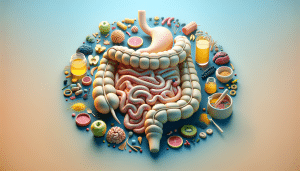
Unlocking the Science of Gut Health for Vibrant Living
Lucia Fernandez September 26, 2025
Discover how the gut microbiome shapes energy, mood, and immune defense. This guide reveals practical strategies to boost gut health, drawing from leading research to help readers make informed decisions about food, lifestyle, and wellness supplements.
The Powerful Connection Between Gut Health and Wellbeing
Gut health has emerged as a central theme in conversations about overall wellbeing, with the gut microbiome influencing everything from digestion to immune system strength. Sometimes referred to as the ‘second brain,’ the digestive system is home to trillions of bacteria that play critical roles in extracting nutrients, producing mood-regulating neurotransmitters, and supporting the body’s natural defenses. Many people wonder how to identify signs of gut imbalance and what steps help nurture a healthier digestive tract. Research highlights that a diverse, balanced gut microbiome can have widespread health benefits, including improved metabolism, lower inflammation, and better energy regulation.
This incredible system is far more complex than once thought. Bacteria in the intestinal tract influence hormone production, mental clarity, and even the body’s ability to combat illness. Disruptions—often triggered by antibiotics, stress, poor food choices, or lack of fiber—can lead to uncomfortable symptoms such as bloating, constipation, and fatigue. This area of study is so critical that major research institutions dedicate vast resources to understanding how gut health impacts chronic diseases like diabetes, obesity, and autoimmune conditions.https://www.nih.gov
Building a thriving gut community starts with recognizing its importance in everyday life. Food choices significantly influence the ecosystem of bacteria in the digestive tract. Processed foods, added sugars, and low-fiber diets may disrupt this balance. In contrast, consuming nutrient-rich whole foods, fermented items, and targeted dietary supplements can foster microbial diversity. Embracing gut health is not just a trend—it’s a long-term strategy for wellness and prevention.
Microbiome Diversity and Why It Matters
The term ‘microbiome diversity’ refers to the variety of bacterial species living in the gut. Higher diversity is consistently linked to stronger immunity and resilience against harmful pathogens. Just as a robust, varied garden suppresses weeds and supports healthy plants, a gut teeming with different microbes offers protection and adaptability. A narrow range of bacteria, on the other hand, can result in harmful strains dominating, which may compromise metabolism and make the body more susceptible to infection or digestive discomfort.https://www.cdc.gov
What influences this diversity? Diet has a starring role. Eating a wide array of plant-based foods, fibers, and naturally probiotic-rich sources—such as yogurt, kefir, or fermented vegetables—feeds different bacterial populations. Lifestyle also counts. Chronic stress, irregular sleep, and exposure to chemical pollutants can diminish microbial richness. Even geography and early-life experiences (like method of birth and feeding) shape the mix of gut bacteria.
Monitoring your gut’s signals, such as changes in bowel habits, gas, or sensitivity to certain foods, helps you tune in to its needs. While consumer microbiome tests are on the rise, the most sustainable way to support diversity involves steady, positive changes in eating and daily routines. Small steps can have a surprisingly big impact over time, allowing healthy bacteria to thrive and crowd out less beneficial strains.
Diet and Gut Health: Foods That Support Microbial Balance
Nutritional choices can make or break gut health. Diets high in dietary fiber, like those found in fruits, vegetables, legumes, and whole grains, supply prebiotics—special fibers that beneficial bacteria digest. Prebiotics act a bit like fertilizer for the garden of the gut: they feed ‘good’ microbes and encourage them to multiply. Fermented foods—such as kimchi, sauerkraut, kombucha, and miso—deliver probiotics that introduce active cultures to the digestive tract, directly increasing microbial populations.https://www.hsph.harvard.edu
Protein is also essential, but sources matter. Lean animal proteins and plant-based options support gut bacteria, while highly processed meats may do the opposite. Many individuals notice improvements in digestion and overall wellness when they focus on clean protein sources combined with abundant fiber and micronutrients. Long-term, these adjustments are linked to lower rates of digestive conditions such as irritable bowel syndrome and even improve mood due to pathways between the gut and the brain.
It’s important to be mindful of triggers that can disrupt gut harmony. Added sugars, artificial sweeteners, and trans fats are best limited. Many are surprised to learn that consuming a variety of colored produce helps ensure you’re feeding a range of bacterial species, enhancing both nutrient intake and microbial balance. Over time, these food selections can help build a more resilient digestive system and provide sustainable energy throughout the day.
Gut-Brain Axis: How Your Microbiome Impacts Mood and Cognitive Function
The gut-brain axis refers to the powerful communication network between the digestive tract and the central nervous system. This connection is both physical—via the vagus nerve—and chemical, through hormone and neurotransmitter exchanges. Science reveals that gut bacteria produce and influence numerous neurotransmitters, including serotonin and dopamine, which play key roles in regulating mood, stress, and sleep. A stable microbiome has even been linked to lower rates of depression and anxiety.https://www.nimh.nih.gov
These connections work in both directions. When gut harmony is disturbed (say, after a period of poor eating or heightened stress), individuals may notice changes in emotional wellbeing, mental clarity, and resilience to everyday challenges. Inflammatory markers resulting from gut imbalance can also impact the brain, potentially influencing memory, mental performance, and concentration. This dual relationship is a hot topic in neuroscience and nutrition.
Support for the gut-brain axis starts with strengthening the microbiome through targeted strategies: nourishing foods, mindfulness practices, and efforts to minimize unnecessary antibiotics. Adopting daily habits such as relaxing breathing techniques or regular physical activity also helps lower inflammation. These integrative solutions can improve both digestive comfort and cognitive function, offering a research-backed approach for those seeking balanced mind-body wellness.
Simple Lifestyle Changes That Foster Better Digestive Health
Lifestyle routines have just as much influence on gut health as the foods consumed. Regular exercise reduces inflammation, stimulates intestinal movement, and increases the levels of beneficial bacteria. Adequate restorative sleep—often overlooked—restores gut barrier function and regulates hormones that impact hunger, satiety, and metabolism. Even moderate physical activity, such as a brisk walk or yoga session, can promote motility and nutrient uptake.https://www.sleepfoundation.org
Stress management is a cornerstone of digestive harmony. Chronic stress can slow or disrupt digestion, alter the microbiome, and lead to digestive symptoms such as pain, constipation, or diarrhea. Simple tools like deep breathing, meditation, and outdoor activity help quiet the stress response and maintain digestive balance. Some people benefit from mindful eating, taking time to chew thoroughly and enjoy meals in a calm environment.
Finally, periodic review of medication and supplement routines is wise. Overuse of certain drugs—notably antibiotics and some antacids—may diminish microbial diversity. Whenever possible, discuss alternatives with a healthcare provider and use medications only as needed. Supportive supplements like probiotics are gaining attention, but choosing high-quality, well-researched products is key. Steady, gentle adjustments in daily life can lead to more consistent energy, less digestive discomfort, and a stronger immune foundation over time.
Supplements and Probiotics: What Science Really Says
The world of gut health supplements is broad, offering probiotics, prebiotics, and fiber blends targeting digestive wellness. Scientific studies point to certain formulations supporting beneficial bacteria and providing relief for select issues such as antibiotic-associated diarrhea or symptoms linked to irritable bowel syndrome (IBS). Not all products are created equal, however, and the regulatory landscape can be confusing for consumers. It’s crucial to choose strains and formulations backed by peer-reviewed evidence.https://www.mayoclinic.org
Probiotics introduce live bacteria directly into the digestive tract, while prebiotics feed the existing microbiome. Combining both may offer synergistic benefit. Some research suggests that specific strains—like Bifidobacterium and Lactobacillus—are more helpful for certain populations. Individuals should consider their unique needs and consult credible sources before starting new products. Labels and marketing claims can be misleading, so verifying independent testing or third-party certifications is wise for anyone exploring probiotics or fiber supplements.
Ultimately, supplements work best alongside lifestyle adjustments including diverse nutrition, sleep, and regular movement. While some practitioners recommend a ‘food first’ approach, those with particular digestive issues or limited diets may benefit from targeted support. With the explosion of research on gut health, staying updated through reliable health organizations ensures decisions are grounded in science, not hype.
References
1. National Institutes of Health. (n.d.). The Human Microbiome Project. Retrieved from https://www.nih.gov
2. Centers for Disease Control and Prevention. (n.d.). Gut Microbiome. Retrieved from https://www.cdc.gov
3. Harvard T.H. Chan School of Public Health. (n.d.). The Nutrition Source: Fiber. Retrieved from https://www.hsph.harvard.edu
4. National Institute of Mental Health. (n.d.). Brain-Gut Connection. Retrieved from https://www.nimh.nih.gov
5. Sleep Foundation. (n.d.). Sleep and the Gut Microbiome. Retrieved from https://www.sleepfoundation.org
6. Mayo Clinic. (n.d.). Probiotics: What You Need to Know. Retrieved from https://www.mayoclinic.org

 What Makes a Startup Succeed Beyond the First Year