You Won’t Believe the Impact Indoor Plants Can Have
Giulia Bianchi September 26, 2025
Discover how indoor plants transform both your living space and your wellbeing. This practical guide explores plant selection, air quality, care tips, stylish plant decorating, and common concerns so you can enjoy indoor greenery with confidence.
The Benefits of Having Indoor Plants
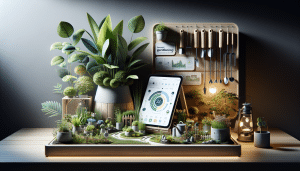
Indoor plants are more than just decorative accents for your home—they play a significant role in improving your overall living experience. Integrating houseplants is linked to air purification, where some species filter toxins such as benzene, formaldehyde, and trichloroethylene from the air, promoting a healthier environment indoors. A touch of green also uplifts the mood. People living with greenery often report reduced levels of stress and an increased sense of calm. The psychological benefits of plants may stem from the innate connection people have with nature, a phenomenon sometimes called biophilia. When you step into a room adorned with lush foliage, it’s easy to feel refreshed and energized, transforming the entire atmosphere of your space.
Plants indoors also contribute to subtle improvements in humidity, which is particularly helpful during dry winters or in centrally heated homes. Certain houseplants naturally release moisture into the air—a process known as transpiration. This creates a more comfortable indoor environment, potentially easing dry skin and respiratory discomfort. Another less recognized advantage involves productivity and focus. Some studies suggest that having plants at home or in an office setting can boost concentration and memory retention, making them excellent companions for work or study areas. The presence of vibrant, leafy plants subtly transforms a sterile room into a lively, inviting zone that supports both work and relaxation.
The joy brought by nurturing indoor plants also extends to personal satisfaction. Watching new leaves unfurl or witnessing a rare bloom can bring genuine happiness to plant enthusiasts. Caring for plants creates opportunities to develop mindfulness, a skill beneficial for mental wellness. Additionally, these green companions introduce children and adults alike to basic biology and responsibility. More homes are choosing houseplants for these multifaceted perks, motivated by more than just aesthetics. Learning about plant care can become a rewarding hobby, offering a daily connection to the rhythms of the natural world.
Choosing the Right Indoor Plants for Any Home
With so many options available, selecting indoor plants that thrive in your unique environment can be both exciting and challenging. Beginners might benefit from starting with hardy varieties like snake plants, pothos, or spider plants, as they tolerate a wide range of light and require minimal maintenance. Different plants flourish in different conditions, so assessing aspects such as available sunlight, average room temperature, and humidity is key. For darker rooms, shade-tolerant species like ZZ plants or cast iron plants make excellent selections. For spaces bathed in sunlight, succulents and cacti might be a good fit, bringing the added bonus of sculptural beauty.
Households with pets should consider non-toxic options. While many common plants are harmless, others like lilies, philodendrons, and dieffenbachia can pose risks if ingested by cats or dogs. Always research plant toxicity before introducing new greenery. For those seeking visual variety, integrating a mix of tall floor plants—such as fiddle-leaf figs or monstera—and trailing species—like ivy or heartleaf philodendron—creates layers of texture and interest. Matching plant choices to personal lifestyle is essential, too. Frequent travelers or busy professionals might prioritize drought-tolerant plants or even experiment with semi-hydroponic setups using lightweight LECA pebbles instead of soil, reducing watering frequency and mess.
Another factor in selecting indoor plants is the desired aesthetic effect. Want to evoke a peaceful, Zen-like quality? Consider bamboo or peace lilies, which are often associated with calm, minimalist design. Looking to liven up a kitchen or workspace? Herbs such as basil, mint, or rosemary not only add greenery but also offer fresh flavors for meals. The sheer diversity of indoor plants means there’s a match for nearly every taste, budget, and interior decor style. For some, rare collectable varieties become a hobby in themselves, fostering online communities where enthusiasts trade cuttings and tips.
How Indoor Plants Improve Air Quality and Wellness
The natural ability of certain indoor plants to purify air has received increasing attention from homeowners and researchers alike. Studies conducted by organizations like NASA have revealed that plants like peace lilies, snake plants, and pothos can reduce volatile organic compounds (VOCs) that are commonly released by household cleaners, paints, and furnishings. Welcoming these species into your home can gently reduce airborne pollutants over time, working in harmony with regular cleaning and ventilation. The effect may be subtle, but it’s consistent—a healthy boost for any indoor environment.
It’s worth noting that while plants contribute to fresher air, they are not a substitute for proper ventilation systems or modern air purifiers, especially in areas with high pollutant loads. Their effect is cumulative and works best when several plants are present. Even beyond air quality, interior plants contribute to emotional wellness. Exposure to greenery indoors is linked to lower blood pressure, steadier heart rates, and improved mood for many people. The visual and sensory stimulation they provide can be particularly soothing during stressful times or gloomy weather, making them valuable for anyone seeking a restful, harmonious atmosphere.
Even in urban settings with limited outdoor access, the benefits of houseplants remain strong. The act of watering, pruning, and caring for plants draws attention away from screens and encourages gentle movement. For those recovering from illness or managing chronic conditions, small acts of gardening can foster hope and boost morale. Plants also moderate indoor humidity by releasing moisture through transpiration, which is especially helpful in dry environments. A cluster of well-chosen houseplants can make a room feel not only more alive, but more comfortable and balanced overall.
Strategies for Stylish Plant Decor at Home
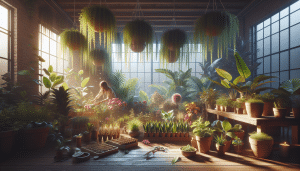
Indoor plants aren’t just good for your health—they can radically enhance the interior design of any home. Strategic placement of greenery elevates style and creates focal points. Think about arranging a few tall leafy plants near windows to dramatically frame the view or using hanging baskets in a sunroom to draw the eye upward. Groupings of small pots—mixing shapes, textures, and leaf colors—add personality to shelves, desks, or even bathrooms. Choosing decorative planters is another way to accentuate a plant’s beauty and blend greenery seamlessly with your existing decor.
Proper lighting isn’t only essential for plant health—it’s also key to their visual impact. Positioning bold specimens where they catch morning or afternoon sun can create striking shadows and highlights. Meanwhile, low-light plants can soften corners or add life to hallways that might otherwise feel bare. Introducing mirrors behind plant displays can amplify both light and visual depth, making a small space appear larger. Seasonal updates, like rotating flowering plants or swapping pots for colors that reflect the time of year, keep your interiors fresh and visually interesting all year long.
For those who crave a lush, tropical ambiance, consider arranging several plants with a mix of heights and leaf sizes together, mimicking the layers of a forest. A statement plant, such as a large bird-of-paradise or monstera, can anchor a reading nook or living room. Trailing species can spill elegantly from hanging pots or wall-mounted shelves, while smaller accent plants flourish on side tables or window sills. However you display them, making space for a touch of green can spark inspiration and turn any house into a warm, inviting haven.
Easy Care Tips for Thriving Houseplants
Successful houseplant care relies on understanding each species’ unique needs, but some general practices provide a solid foundation. Always choose pots with proper drainage holes—excess water can lead to root rot, which is one of the most common reasons plants fail indoors. Instead of maintaining a strict watering schedule, observe soil moisture and adjust care according to the seasons. Many indoor plants require less water during winter or in lower light. During spring and summer, growth may accelerate, meaning you’ll need to water more frequently. Learning to read the signs—a droopy leaf, yellow tips, or dry soil—ensures healthier, happier plants.
Light is another crucial factor. Plants develop differently depending on how much sun they receive, so always check the light requirements before positioning them in your home. South-facing windows generally receive the most sunlight, while north-facing ones offer softer, indirect light. For rooms with minimal natural light, supplemental LED grow lamps can provide the boost some greenery needs. Dusting leaves gently using a damp cloth every few weeks allows for better photosynthesis and keeps your plants looking their best. Over time, you’ll gain intuition about how your plants respond to changes in environment, guiding further adjustments.
Feeding indoor plants is typically a seasonal task. Using a balanced, diluted liquid fertilizer in spring and summer supports active growth, but most houseplants require little to no extra nutrients during dormant winter months. Repotting every one or two years keeps roots healthy and ensures optimal growth. Pest prevention is another cornerstone of care: Regularly inspect leaves for signs of pests like spider mites or aphids, removing them with gentle treatments or soapy water if needed. With patience and observation, anyone can develop the skills to help houseplants flourish—and enjoy the sense of accomplishment that comes with it.
Addressing Common Houseplant Concerns
While caring for indoor plants brings joy, it’s normal to face occasional hurdles. Overwatering is the most common problem, often marked by yellowing leaves, a mushy base, and a lingering musty smell. Giving roots a chance to dry out between watering reduces these risks. Remember, most houseplants can recover surprisingly well from mild neglect, but too much water is rarely forgiven. If unsure, err on the side of underwatering, especially in cooler months. It’s also helpful to rotate your plants every few weeks for even growth, particularly when sunlight comes from a single direction.
Pests can be an issue, especially if plants are moved outside for the summer or are crowded together. Watch for small webbing, sticky residue, or misshapen leaves. Quarantining new plants for a few weeks before introducing them to your collection can prevent outbreaks. If pests do appear, simple solutions like wiping leaves with diluted soap or using organic insecticidal sprays can help. Sometimes, just increasing airflow around the plants reduces mildew and fungal problems. If in doubt, there are many gardening extension programs and horticultural societies that offer advice online.
Leaf drop, slow growth, or faded color may indicate problems with light, nutrition, or temperature. Different plants have different tolerance levels, so a little research goes a long way. Matching your home’s conditions to the right species is the easiest path to success. When in doubt, resources like university cooperative extensions and botanical gardens provide excellent, research-backed guidance. Troubleshooting plant issues can seem daunting initially, but every challenge is an opportunity to learn more about nature—and enjoy the ever-changing beauty of your indoor garden.
References
1. NASA Clean Air Study. (n.d.). Interior Landscape Plants for Indoor Air Pollution Abatement. Retrieved from https://ntrs.nasa.gov/citations/19930073077
2. American Society for Horticultural Science. (2020). Benefits of Indoor Plants. Retrieved from https://journals.ashs.org/hortsci/view/journals/hortsci/54/2/article-p195.xml
3. University of Illinois Extension. (n.d.). Keeping Plants Healthy Indoors. Retrieved from https://extension.illinois.edu/houseplants
4. Royal Horticultural Society. (n.d.). Houseplant Care. Retrieved from https://www.rhs.org.uk/plants/types/houseplants/general-care
5. ASPCA. (n.d.). Toxic and Non-Toxic Plants. Retrieved from https://www.aspca.org/pet-care/animal-poison-control/toxic-and-non-toxic-plants
6. Texas A&M AgriLife Extension. (n.d.). Houseplants: Proper Selection and Care. Retrieved from https://agrilifeextension.tamu.edu/browse/featured/nature-gardening/houseplants-proper-selection-and-care/

 Things You Might Overlook When Buying a House