Secrets of Minimalist Living You Want to Try
Lucia Fernandez September 26, 2025
Discover how minimalist living transforms homes, mindsets, and routines for greater wellbeing. Explore practical decluttering tips, interior design ideas, and approaches for lasting happiness and simplicity. Learn how adopting a minimalist lifestyle can positively influence your environment and mental clarity.
Understanding Minimalist Living and Its Growing Popularity
Minimalist living has become a sought-after approach for those yearning for simplicity in a world filled with distractions. The philosophy behind a minimalist lifestyle goes beyond reducing the number of possessions. It’s a mindset dedicated to intentional living — keeping what matters and letting go of excess. For many, the appeal lies in creating more space both physically and mentally. People have found minimalist living helpful in reducing stress, encouraging balance, and promoting environmental sustainability. Little wonder the movement is gaining traction among a wide blend of age groups and backgrounds.
The minimalist approach can be applied to virtually every area of life. From home organization to fashion, traveling, and even digital habits, minimalism invites a new way of thinking about consumption and priorities. It encourages people to focus on quality rather than quantity — not just in material objects, but in experiences and relationships too. Living with less doesn’t mean deprivation. Instead, it orients individuals toward a more fulfilling and conscious lifestyle, allowing them to spend resources on what truly adds value to their lives.
The growth of minimalist living is also propelled by inspiring voices in books, social media, and documentaries. Numerous minimalist influencers share practical advice that resonates with those overwhelmed by clutter or an overbooked schedule. Minimalist communities support one another, providing resources and motivation to make lasting changes. The surge in popularity is also linked to the desire for greater mental wellbeing, financial freedom, and environmental responsibility. These combined factors underline why so many people are motivated to embrace minimalist principles.
Key Principles and Benefits of Minimalist Living
Minimalism is often distilled into a few core principles that shape daily life. One vital tenet is intentionality — the practice of making decisions with purpose and clarity. For example, before purchasing an item, minimalists commonly ask themselves whether it truly serves a purpose or brings joy. Another pillar is decluttering, which fosters a calming environment and better mental health. Studies confirm that less clutter can ease anxiety and boost mood, as an organized space positively affects how people feel and function (Source: https://www.nimh.nih.gov/health/publications/mental-health-information).
Minimalist living isn’t a one-size-fits-all formula. Some may focus on reducing material possessions, while others might streamline their schedules or digital use. The real beauty of minimalism is how flexible it is. Many report that living with less allows them to pursue hobbies, relationships, and dreams with less distraction. This insight can lead to improved life satisfaction, better sleep, and greater productivity. When fewer items demand attention, more time is available for personal growth and self-care. The mental benefits of minimalist living reach far beyond the immediate surroundings.
Financial savings are another notable advantage of adopting minimalism. With fewer impulsive purchases and a focus on longevity and meaningful investments, individuals often experience reduced debt and increased savings. Furthermore, minimalist living encourages environmental stewardship. By minimizing waste and consumption, individuals help reduce the ecological impact associated with manufacturing and transportation. In short, practicing minimalism can deepen one’s sense of connection, responsibility, and happiness, all while supporting the planet.
Decluttering Tips and Tricks for Lasting Simplicity
Decluttering is often the first step for those entering the world of minimalist living. Many experts suggest starting small — perhaps in a single drawer or closet. Breaking the process into manageable chunks can help prevent feeling overwhelmed. As items are sorted, it’s useful to group them into categories such as keep, donate, recycle, or toss. The popular KonMari method, prioritizing belongings that “spark joy,” illustrates how values can guide decluttering choices. The approach is less about rigid rules and more about aligning your living space with your personal ideals (Source: https://www.apa.org/topics/mental-health/clutter).
To maintain results, it’s helpful to establish decluttering routines. Some people review their belongings every few months, while others have an annual spring clean. A common tip is to follow the “one-in, one-out” rule — for every new item brought home, one existing item leaves. This mindful practice helps prevent clutter from accumulating again. Storage strategies such as using multi-functional furniture or vertical shelving can maximize space without compromising on style. These tactics make the minimalist lifestyle sustainable in the long run.
Beyond the physical space, digital decluttering is equally transformative. Organizing files, cleaning out inboxes, and reducing time spent on screens can work wonders for mental clarity. Digital minimalism involves curating online feeds and being intentional about the content consumed or shared. This reduces digital overwhelm, leaving people feeling lighter and mentally refreshed. The result is more time and headspace for genuinely meaningful experiences and interactions.
Minimalist Interior Design: Creating Calm, Stylish Spaces
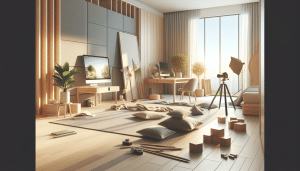
Minimalist interior design is characterized by clean lines, neutral colors, and a “less is more” aesthetic. The goal is to create rooms that feel open, airy, and inviting. Choosing high-quality, functional furniture over bulk or excess is key. This design approach prioritizes natural light, uncluttered surfaces, and well-chosen decor. Simple artworks or plants can provide focal points without overwhelming a room. The result? A home that supports relaxation and mental peace, rather than sensory overload (Source: https://www.archdaily.com/940102/the-minimalist-aesthetic-9-interiors-that-reduce-materials-and-maximize-comfort).
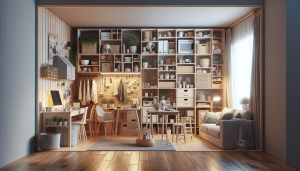
Many who practice minimalist living say that their homes reflect their values. They select items that serve multiple purposes or retain sentimental value. Storage is cleverly integrated, often hidden or built-in, so clutter remains out of sight. Wall-mounted shelves, under-bed drawers, and minimalist closets help maintain order. Choosing a restrained color palette — whites, soft grays, muted earth tones — ensures the space is cohesive and soothing. Each addition is intentional, making the room feel curated rather than crowded.
Lighting also plays a significant role in minimalist interiors. Maximizing sunlight through large windows or light-filtering curtains energizes a home naturally. Soft, layered lighting solutions such as dimmable lamps or wall sconces further enhance ambiance. This, paired with natural materials like wood, linen, or stone, creates harmony and warmth. With each design decision, the minimalist home remains both functional and beautiful, inspiring a sense of belonging and tranquility.
Building Mindfulness and Wellbeing Through Minimalism
Minimalist living naturally intersects with mindfulness. The practice of curating what enters one’s life — from objects to commitments — increases self-awareness. Many find that fewer distractions enable deeper focus on present-moment experiences. By having less to clean, maintain, or worry about, people free up mental energy for hobbies, relationships, or creative pursuits. This increased calm often helps alleviate symptoms of anxiety and stress, supporting overall wellbeing (Source: https://nccih.nih.gov/health/mindfulness-overview.htm).
Spending time in minimally designed spaces can nurture self-reflection. A tidy, peaceful home environment encourages intentional living, positive habits, and gratitude. Many minimalist practitioners keep gratitude journals or practice meditation to further train their minds toward appreciation and contentment. Such routines support emotional resilience and improve life satisfaction, as confirmed by studies linking orderly environments to positive mood and productivity (Source: https://www.ncbi.nlm.nih.gov/pmc/articles/PMC5769205/).
Intentional living often leads to healthier boundaries, both digital and social. With fewer distractions, individuals become selective with commitments and screen time, ensuring energy is spent on what aligns with their goals. This conscious approach to daily life helps minimize overwhelm, making room for activities that recharge and inspire. When applied consistently, minimalist living becomes a long-term framework for wellness and meaningful connection.
Adapting Minimalist Habits in Everyday Life
Adopting a minimalist lifestyle is an ongoing journey, not a one-time project. Small shifts, such as daily tidying or limiting new purchases, build momentum. Some choose to unsubscribe from unnecessary marketing emails, while others skip the urge to upgrade gadgets unless absolutely needed. Family members can be involved too, transforming the process into a collective effort. Minimalism encourages learning from setbacks and celebrating incremental progress toward a simpler, more purposeful life (Source: https://extension.psu.edu/minimalism-living-with-less).
Minimalism isn’t about perfection. Rather, it’s about flexibility — adapting practices that resonate personally and discarding those that don’t. Some discover that setting boundaries with digital devices, or prioritizing rest over productivity, has a dramatic impact. Others find fulfillment by spending more time outdoors, with fewer possessions tying them down. The sense of freedom and clarity that comes with minimalism is often more valuable than any physical item.
Social connections flourish in a minimalist environment too. Hosting small gatherings at home becomes easier when spaces are clutter-free and welcoming. Experiences — shared meals, long walks, heartfelt conversations — take center stage over material accumulation. By embracing minimalist habits daily, people foster deeper bonds, heightened creativity, and increased contentment. The ripple effects of minimalism go far beyond a tidy home, shaping how individuals live, connect, and thrive.
References
1. National Institute of Mental Health. (n.d.). Mental Health Information. Retrieved from https://www.nimh.nih.gov/health/publications/mental-health-information
2. American Psychological Association. (n.d.). The psychology of clutter and the benefits of decluttering. Retrieved from https://www.apa.org/topics/mental-health/clutter
3. ArchDaily. (2020). The minimalist aesthetic: 9 interiors that reduce materials and maximize comfort. Retrieved from https://www.archdaily.com/940102/the-minimalist-aesthetic-9-interiors-that-reduce-materials-and-maximize-comfort
4. National Center for Complementary and Integrative Health. (n.d.). Mindfulness: What you need to know. Retrieved from https://nccih.nih.gov/health/mindfulness-overview.htm
5. Penn State Extension. (2023). Minimalism: Living with less. Retrieved from https://extension.psu.edu/minimalism-living-with-less
6. McMains, S., & Kastner, S. (2011). Interactions of top-down and bottom-up mechanisms in human visual cortex. Proceedings of the National Academy of Sciences, 108(50), 19961-19966. Retrieved from https://www.ncbi.nlm.nih.gov/pmc/articles/PMC5769205/

 Secrets You Never Knew About Minimalist Living