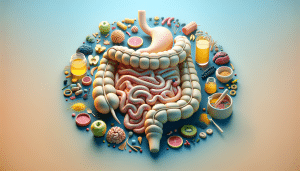
Hidden Gut Health Secrets You May Never Have Considered
Lucia Fernandez September 26, 2025
Gut health is at the center of many wellness conversations, yet so much remains misunderstood. Explore surprising truths about the microbiome, food sensitivities, and daily habits that may shape digestive well-being—plus actionable ideas and factual guidance for those curious about optimizing gut health naturally.
Why Your Gut Microbiome Matters More Than You Think
The term “microbiome” often sparks curiosity, but its impact on wellness stretches far beyond digestion alone. The gut microbiome is a complex world of bacteria, fungi, and other microbes that thrive within the human body—particularly the colon. These tiny organisms play vital roles in breaking down nutrients, regulating immune activity, and possibly even impacting mood through the gut-brain connection. When balanced, a diverse microbiome may support efficient nutrient absorption and protect against potentially harmful invaders. Modern research continually reveals new interactions between these microbes and human health, suggesting links to everything from inflammation to energy levels (see National Institute of Diabetes and Digestive and Kidney Diseases).
Bacteria in the gastrointestinal tract aren’t just passive bystanders. They compete, cooperate, and adapt constantly in response to diet, stress, medications, and environment. This dynamic landscape influences how well the immune system responds to threats and how inflammation is regulated. People with diverse bacterial populations in their gut are thought to have a lower risk of some chronic conditions, including certain autoimmune and metabolic diseases. A simple change—like eating more fiber-rich foods or fermented items—may encourage growth of beneficial strains, but results can vary. Curiosity about the microbiome’s role in allergy, skin health, and beyond continues growing as more data surfaces (MedlinePlus – Genetics).
Every individual’s gut ecosystem looks different. Genetics, lifespan events, exposures, and antibiotic use can all shape the community of microbes that live inside. Children exposed to farms or pets, for example, often show greater microbial variety, which might confer protective benefits. Conversely, overuse of antimicrobial cleaning products or unnecessary antibiotics could disturb microbiome balance, sometimes leading to digestive discomfort or risk of infection. Understanding that the gut is a living ecosystem, not just a food-processing organ, opens new doors for targeted nutritional and lifestyle interventions to promote long-term digestive wellness.
The Surprising Connection Between Gut Health and Mental Well-Being
Connections between the gut and the brain are getting more attention in health circles lately. Research has shown that signaling happens bidirectionally between these vital organs—the so-called “gut-brain axis”. Neurotransmitters, like serotonin, are produced in surprising abundance in the gastrointestinal tract. In fact, the gut produces more than 90% of the body’s serotonin. This has big implications for those navigating mood imbalances, since gut inflammation and bacterial shifts can alter neurotransmitter production. Stress or poor diet may trigger changes in gut bacteria, amplifying symptoms of anxiety or low mood for some individuals (NIH Gut-Brain Axis Study).
Mental health isn’t just about brain chemistry—gut chemistry plays a role, too. Scientific studies suggest that people with digestive challenges, such as irritable bowel syndrome (IBS), are more prone to experiencing anxiety or depression. While stress can worsen digestive symptoms, certain gut bacteria may also have protective or aggravating effects on mood. Probiotics, sometimes dubbed “good bacteria,” are being examined for their role in enhancing mental clarity or reducing stress through microbiome shifts. While research is ongoing, it’s clear that digestive wellness and mental health should not be thought of in isolation (American Psychological Association – Gut Feeling).
What can be done? Daily lifestyle choices are important. Mindful eating, reducing refined sugars, and prioritizing fiber and fermented foods are thought to support gut resilience. Practicing stress management techniques—like deep breathing or gentle physical activity—may foster both mental calm and digestive comfort. This integrated approach recognizes that supporting the microbiome is also about caring for the mind, making gut health central to holistic wellness strategies.
Common Food Sensitivities You Might Overlook
Food sensitivities and intolerances can quietly erode gut comfort and quality of life. Unlike classic food allergies, which generate immediate immune reactions, sensitivities often produce subtle, delayed symptoms like bloating, headaches, or irritability. Lactose intolerance is a widespread example—inability to digest milk sugar due to enzyme deficiency. Some people experience digestive shifts in response to gluten or artificial additives, while others notice discomfort after consuming particular fruits, beans, or high-FODMAP foods. Tuning into these patterns can help identify and eliminate problematic triggers (CDC – Food Sensitivity Genes).
Food challenges aren’t always about the ingredient itself but can involve the gut’s ability to process that food. For example, a disrupted microbiome may struggle with fermenting certain fibers, resulting in gas or discomfort. Similarly, underlying inflammation from a past infection or chronic stress can heighten sensitivity to otherwise healthy foods. Elimination diets—guided by healthcare professionals—may help isolate triggers, though long-term restriction of broad food groups isn’t generally advised. The focus remains on nourishment and variety to support resilience and balance within the digestive tract.
Gut health experts often recommend keeping a food-and-symptom journal to spot patterns, which may uncover previously unconsidered links. Consideration of both individual tolerance and overall nutrient balance protects against unnecessary dietary restriction. As scientific understanding advances, more tailored gut health solutions—especially through emerging research on personalized nutrition—are expected to provide new options for those living with unidentified food sensitivities.
Lifestyle Habits That Quietly Harm Gut Health
Many habits that might seem harmless can subtly undermine digestive wellness over time. One big factor? Chronic stress. When ongoing, stress can trigger changes to the gut lining, immune activation, and shifts in bacterial diversity. Highly processed diets, with minimal fiber or excessive added sugars, may further disrupt beneficial microbial balance. Smoking or heavy alcohol use can also cause inflammation and alter the digestive environment, raising risk for discomfort or longer-term health concerns (Harvard Health – Inflammation and Gut).
Disrupted sleep is another player. Sleep deprivation doesn’t just make you tired—it changes gut microbial populations and may slow digestion. Irregular meal schedules or eating late at night have been linked to reflux or suboptimal digestion, particularly for those sensitive to these disruptions. People who travel frequently, experience jet lag, or keep changing work shifts may notice their gut takes time to readjust. Over-the-counter medications like pain relievers or antacids can offer relief but may, if overused, further upset natural gut function. Awareness leads to better daily choices to foster digestive comfort.
What helps? Daily movement—even walking—supports regular bowel function and can support microbial diversity. Consistent sleep routines and a focus on diversity in the diet encourage a healthy ecosystem within. Reducing unnecessary medication use and prioritizing whole, plant-based foods are practical steps for most. These small changes, added up, have the power to quietly transform gut health over time.
Simple Gut-Friendly Foods and Supplements That Might Help
While there’s no universal solution, certain foods consistently support gut comfort and resilience. Fiber—especially from fruits, vegetables, beans, oats, and seeds—feeds beneficial bacteria, generating short-chain fatty acids that maintain a strong gut wall. Fermented foods, such as yogurt, kefir, sauerkraut, and kimchi, introduce live microorganisms that can enhance diversity in one’s own microbiome. Polyphenol-rich foods (think berries, olive oil, dark chocolate) appear to help tilt the bacterial balance in positive directions (Harvard School of Public Health—Probiotics/Prebiotics).
Supplements are popular but should be approached thoughtfully. Probiotics—available as capsules or drinks—may offer benefits to individuals after antibiotic treatment or for particular digestive complaints. Not all products contain the same strains or measured potency, and evidence is strongest for specific conditions, so a healthcare provider’s advice is important. Prebiotic supplements (often in fiber powder form) help nourish gut bacteria. Combining both, through dietary choices, is often the most sustainable and broad approach for most people.
Hydration is simple but crucial. Water supports movement of food through the gut and helps prevent constipation. Small steps, like incorporating nuts, leafy greens, and naturally fiber-rich snacks, can make a noticeable impact. When approached mindfully, even everyday foods have powerful potential to support and restore digestive health.
When to Seek Help and Explore Personalized Solutions
Sometimes, efforts to support gut health through diet and lifestyle do not resolve chronic or severe symptoms. Persistent bloating, ongoing discomfort, unexplained weight loss, or digestive pain should prompt further investigation with healthcare professionals. These signs may point to underlying issues that need specific care—such as celiac disease, inflammatory bowel disease, or infections (see American Gastroenterological Association – IBS Guidance).
Diagnostic testing can help identify food allergies, intolerances, or microbiome imbalances. For some, medical nutrition therapy or prescription medicines become part of a comprehensive gut health plan. Newer approaches, like microbiome analysis or personalized probiotics, are available but should be chosen with guidance. Collaborating with a knowledgeable dietitian or gastroenterologist ensures interventions match unique needs—not one size fits all in the world of digestion.
The takeaway? Gut health is multifaceted and influenced by genetics, environment, and daily routine. It’s never just what you eat or what supplement you choose. Honest discussions with trusted professionals and ongoing self-education support the journey toward digestive well-being. Wellness is, after all, unique to every individual.
References
1. National Institute of Diabetes and Digestive and Kidney Diseases. (n.d.). Your Digestive System & How it Works. Retrieved from https://www.niddk.nih.gov/health-information/digestive-diseases/digestive-system-how-it-works
2. MedlinePlus. (n.d.). Microbiome. Retrieved from https://medlineplus.gov/genetics/understanding/multifactorial/microbiome/
3. Mayer EA, Tillisch K, Gupta A. (2015). Gut/brain axis and the microbiota. Journal of Clinical Investigation, 125(3), 926-938. Retrieved from https://www.ncbi.nlm.nih.gov/pmc/articles/PMC5641835/
4. American Psychological Association. (2012). That gut feeling. Monitor on Psychology, 43(8). Retrieved from https://www.apa.org/monitor/2012/09/gut-feeling
5. Harvard School of Public Health. (n.d.). Probiotics and prebiotics. Retrieved from https://www.hsph.harvard.edu/nutritionsource/food-features/probiotics-and-prebiotics/
6. Centers for Disease Control and Prevention. (2020). Are Your Genes Making You Sensitive to Food? Retrieved from https://www.cdc.gov/genomics/disease/food-sensitivity.htm

 Secrets to Creating Cozy Spaces in Small Homes