Secrets to Creating Cozy Spaces in Small Homes
Lucia Fernandez September 26, 2025
Unlock smart design ideas and lifestyle strategies for making even compact homes feel spacious and inviting. This guide explores practical methods, creative decorating tips, and surprising solutions to create cozy living environments that reflect personal style and maximize comfort.
Rethinking Space: Why Cozy Living Matters
Living in a small home often leads people to view compactness as a challenge, but it can be a creative opportunity. The concept of cozy living goes beyond minimalism, inviting individuals to embrace warmth and intentional design. A well-planned space can spark joy, enhance wellbeing, and support a sustainable lifestyle by promoting mindful consumption. Cozy does not mean cluttered. Rather, it’s about creating an environment that feels safe, lived-in, and uniquely personal, especially appealing to city dwellers or anyone looking to downsize. By reimagining space, homes become sources of comfort and delight, helping reduce daily stress and encouraging a slower pace of life.
For many, cozy living aligns with current lifestyle trends, focusing on holistic wellness and mindful curation. Incorporating design elements that foster relaxation—like soft lighting, plush textures, or favorite mementos—can transform a small room into a nurturing haven. This shift is more than aesthetics. It’s a deliberate approach to living with less while gaining more comfort and satisfaction from everyday experiences. People are increasingly seeking ways to prioritize comfort without sacrificing style, and small homes offer the perfect canvas for experimentation. The popularity of hygge-inspired decor, natural materials, and multi-functional layouts highlights how coziness influences interior trends across the globe.
The benefits of cozy living extend into emotional well-being. According to research, thoughtfully designed environments can help reduce anxiety levels while boosting creativity and productivity. Smaller spaces require intentional choices, which encourages healthy routines and minimizes distractions. It’s possible to cultivate a deep sense of belonging and harmony, no matter the size of a home, simply by tuning into personal preferences and needs. By creating a space that truly feels like home, you elevate everyday moments and foster a welcoming atmosphere for both residents and guests. Cozy living, in essence, transforms small footprints into big statements of comfort, practicality, and joy.
Smart Furniture Solutions for Limited Space
When square footage is scarce, every piece of furniture really matters. Multifunctional furniture can save space and boost utility, with items like fold-out desks, nesting tables, or sofas with hidden storage leading the way. Wall-mounted shelves and Murphy beds free up floor area and allow flexibility in how rooms are used. Choosing pieces with clean lines and neutral tones can also make a room feel bigger and more harmonious. Modular systems that adapt to various needs have found a loyal audience among those wanting both style and flexibility in their layouts. Strategic placement allows each piece to shine without overwhelming the room.
Clever furniture choices greatly impact daily routines and the overall vibe of small homes. For example, a compact dining table that doubles as a work desk can adapt to various activities throughout the day. Ottomans with built-in storage provide seating while hiding extra blankets or household essentials. Stackable chairs quickly create more space when guests come over. These smart solutions aren’t just about squeezing more into a tight environment—they make living more efficient while keeping design cohesive. Homeowners are often amazed at the transformation when even one multi-use piece is introduced.
Beyond function, smart furniture can lend a sense of playfulness or calm to a home. Picking the right scale and design ensures that every item contributes to an inviting atmosphere. Transparent materials, open-leg chairs, and low-profile sofas can enhance the feeling of openness, making spaces feel less crowded. Homeowners are encouraged to experiment with movable elements, collapsible features, and custom-built pieces to optimize comfort. By focusing on items that work hard and look great, cozy and functional living becomes easily attainable—even in the smallest apartments or houses.
Creative Storage Ideas That Stay Stylish
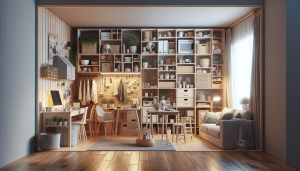
Effective storage is key to maintaining order and comfort in small homes, but it doesn’t have to be boring. Built-in shelves, vertical storage, and under-bed drawers keep clutter out of sight while adding interest to interiors. Using attractive baskets, decorative boxes, or vintage crates keeps daily essentials organized and accessible. Wall hooks or pegboards make use of unused wall space, ideal for entryways or kitchens. Floating shelves act as both storage and display, giving residents room to showcase favorite books, plants, or art pieces. The trick is balancing function with visual appeal for an environment that feels calm, organized, and stylish.
Many people underestimate how much hidden space exists between, above, and below other furnishings. Interior designers often suggest taking cabinets to the ceiling, using the vertical range above doors, and even utilizing clever closet solutions. Rolling carts serve as flexible storage, moving from room to room as needed. For a personalized touch, customized built-ins can maximize awkward corners or alcoves, providing practical storage while maintaining flow. These thoughtful storage ideas help cultivate a sense of order, which is a hallmark of cozy spaces.
Smart storage solutions extend to every room. Kitchens often benefit from hanging pot racks and magnetic knife strips, while living areas thrive on hidden storage within seating. Even small bathrooms can feel luxurious when vertical towel racks or recessed medicine cabinets declutter countertops. By investing in beautiful, functional storage, it becomes easier to maintain a welcoming environment, empowering homeowners to enjoy their space rather than manage it. Organized spaces tend to feel more open, peaceful, and easy to navigate.
Decorating Strategies for a Personal Touch
Personal style shines brightest in thoughtfully decorated rooms, regardless of their size. Layering textiles—such as area rugs, cushions, and throws—brings warmth and color without crowding the environment. Art displays on gallery walls, cherished photos, or handmade crafts create visual interest and tell a unique story. Introducing indoor plants is a big trend; greenery breathes life and freshness into any space, while also promoting relaxation and air quality. Choosing a cohesive color palette can unify different areas, making them feel intentional and welcoming. These small decor choices collectively make the biggest impact.
Lighting dramatically transforms how cozy a home feels. Mix ambient, task, and accent lighting to create different moods for various activities. String lights, table lamps, and candles are all affordable ways to introduce soft, warm illumination. Mirrors placed opposite windows bounce natural light around, visually expanding the room and adding sparkle. Even tiny homes can appear airy and vibrant with some strategic light placement. The overall effect is calm and inviting, making it easy to unwind at home.
There’s freedom to mix old and new pieces for a layered, eclectic look. Vintage finds lend charm and character, while modern touches keep spaces feeling fresh. Personal collections, whether books, travel souvenirs, or locally crafted ceramics, provide daily joy and reflect individual tastes. Even in small spaces, every item can contribute to a sense of belonging and comfort. With careful editing and a focus on items that spark happiness, it’s easy to achieve an inviting space that feels both stylish and functional. Customizing even small nooks boosts the cozy appeal of a home.
Maximizing Comfort Through Lifestyle Choices
Creating a cozy home goes hand-in-hand with adopting routines that support relaxation and enjoyment. Evening rituals like reading, listening to music, or sharing meals can become more meaningful with intentional environments. Soft textiles, well-chosen scents, and curated playlists heighten the sense of sanctuary at home. Many people now incorporate wellness activities—such as meditation or gentle stretching—into living spaces, strengthening the connection between home and self-care. Carving out zones for work, rest, and play ensures small homes function for every aspect of life.
Seasonal changes are a great reason to refresh interiors. Swapping out covers, rotating art, or introducing new scents keeps spaces feeling fresh and inspiring. Hosting small gatherings, even just a couple friends or family members, brings energy into the home and fosters a sense of community. Compact spaces often encourage creativity, as homeowners look for new ways to entertain with limited resources. Lifestyle enhancements like these are as important as design itself for cultivating a true sense of comfort.
Finally, living in a smaller space often inspires a shift in perspective. It encourages gratitude for simple pleasures, mindfulness in everyday routines, and closer connections with fellow residents. Studies show that individuals in well-designed compact homes often report increased life satisfaction, energy savings, and a more sustainable footprint. By designing for comfort and embracing intentional living, any space—no matter the size—can become a cherished retreat from the demands of modern life.
Adapting Small Home Trends from Global Sources
Small space living is prominent in cities worldwide, and international trends inspire many cozy home designs. Japanese interiors, for example, utilize sliding doors, raised platforms, and multi-use furniture to optimize space and maintain order. Scandinavian styles focus on natural light, functional design, and uncluttered rooms, prioritizing comfort and simplicity. These global influences bring innovative strategies for maximizing coziness without overcrowding rooms, appealing to modern homeowners seeking inspiration for their own spaces. Exploring these traditions reveals practical ideas anyone can try, regardless of location.
Adaptation is key. While some elements translate easily, such as incorporating more natural materials or decluttering, others require personalization to fit individual needs. The tiny house movement in North America, for instance, showcases creative ways to blend storage, outdoor living, and flexible design. European micro-apartments also demonstrate how to arrange compact kitchens, modular walls, and fold-down features. Borrowing techniques from different cultures can significantly expand the design possibilities for small homes, turning a potential limitation into an inspiring challenge.
Homeowners experimenting with diverse design philosophies often find solutions that exceed expectations. Mix and match, from Parisian balcony gardens to Seattle’s open shelving, to build a space that feels world-wise and welcoming. The universal lesson: small spaces can be elegant, creative, and highly functional when approached with open-mindedness and curiosity. Global perspectives foster more inclusive, imaginative, and sustainable homes for everyone, regardless of size.
References
1. American Psychological Association. (2021). The impact of design on well-being. Retrieved from https://www.apa.org/monitor/2021/09/feature-design-environment
2. Parsons School of Design. (n.d.). Cozy living: A global perspective on small spaces. Retrieved from https://www.newschool.edu/parsons/student-work/cozy-living
3. U.S. Department of Energy. (n.d.). Energy efficiency and smaller homes. Retrieved from https://www.energy.gov/energysaver/energy-efficient-home-design
4. Harvard Health Publishing. (2019). The health benefits of home organization. Retrieved from https://www.health.harvard.edu/mind-and-mood/the-benefits-of-decluttering-your-home
5. National Institute of Building Sciences. (2020). Smart design strategies for small spaces. Retrieved from https://www.nibs.org/news/594869/Smart-Design-Strategies-for-Small-Space-Living.htm
6. IKEA. (2022). Living small: Global design ideas. Retrieved from https://www.ikea.com/global/en/stories/living-small-global-design-ideas/

 Transform Your Living Space With Minimalist Interior Design