You Can Grow an Indoor Herb Garden That Thrives
Giulia Bianchi September 27, 2025
Discover the secrets to cultivating a lush indoor herb garden, even in small spaces or challenging conditions. This comprehensive guide dives into lighting, soil, container choices, watering routines, and common troubleshooting tips so your home-harvested herbs flourish all season.
Choosing the Right Herbs for Your Indoor Garden
When starting an indoor herb garden, the first consideration is picking herbs that suit the unique conditions inside a home. Not all herbs adapt well to limited sunlight or fluctuating temperatures, so choosing varieties known for thriving indoors is key. Basil, parsley, chives, mint, rosemary, oregano, and thyme are popular favorites because they generally need less direct light and adapt to pot life better than giant outdoor species. For novice gardeners, choosing resilient herbs not only increases success but also reduces the time spent troubleshooting. With careful selection, you can enjoy a year-round supply of fresh flavors right from your windowsill or kitchen counter.
Beyond resilience, consider what you’ll actually cook with, as home-grown herbs are at their freshest and most flavorful when picked right before use. Many beginners find success growing a mix of culinary staples and herbs with multiple uses, like mint for both teas and desserts. Some people like to experiment with unusual but container-friendly options such as lemon balm or cilantro. Reflecting on your most-used recipes and preferred aromas can narrow down your choices and ensure plants earn their space on your sill. This approach boosts practicality and means fewer unused plants go to waste.
Placement also matters, as different herbs set their own unique environmental demands. For instance, basil typically craves more warmth and light compared to parsley, which is more forgiving in cooler kitchens. Grouping plants by similar care needs can help keep the growing process simple and efficient. By paying attention to light, temperature, and culinary value, you lay the foundation for a successful indoor garden. These choices ensure lush, healthy plants that brighten up the home and dinner plate alike (Source: https://extension.umn.edu/houseplants/growing-herbs-indoors).
Essential Light and Placement Strategies
Light is the most important resource for indoor herb growth. Most herbs require at least 6 hours of bright, indirect sunlight each day. South-facing windows typically offer optimal natural light, but east- or west-facing ones can work with careful plant rotation. If natural sunlight is limited—especially in winter—supplementing with grow lights helps herbs stay healthy and bushy. Fluorescent or LED plant lights mimic the sun’s spectrum and can be positioned above or beside plants to encourage strong, even growth. Regularly dusting leaves also ensures they absorb as much light as possible.
When setting up your indoor herb garden, monitor temperatures as well as sun exposure. Many kitchen herbs flourish at regular indoor temperatures, though they dislike sudden cold drafts or excessive heat from nearby appliances. Consistency is key, so avoid moving plants around too often or placing them close to opening doors or radiators. Repeated adjustment stresses herbs and can cause weak stems or dropped leaves, especially if environmental changes are too abrupt. By finding the right balance of light and warmth, even windowsill gardeners with modest space can achieve robust growth.
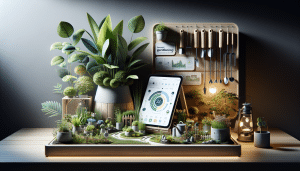
Creative placement options exist for those with limited window real estate. Vertical gardens, wall-mounted shelves, or compact plant stands free up counter space while keeping herbs within reach for meal prep. Container choice also affects placement flexibility—lightweight pots with drainage can be moved easily, while built-in saucers help prevent messes. Blending both functionality and style, some households opt for decorative planters that double as kitchen accents, making the process of growing herbs as visually pleasing as it is practical (Source: https://www.gardeners.com/how-to/indoor-herbs/8740.html).
Picking Soil, Containers, and Drainage for Success
Soil quality defines the fate of an indoor herb garden. Herbs demand well-aerated, loose potting mix that drains well yet retains essential moisture. Avoid standard garden soil, which is compact and can suffocate roots or harbor unwanted pests. Look for potting mixtures labeled as suitable for indoor plants or vegetables, which typically blend peat moss, perlite, and composted matter. Perlite increases airflow in the root zone, preventing rot from overwatering, while compost supplies gentle nutrients that help seeds and cuttings develop strong roots.
Choice of container matters just as much as soil. Select containers with reliable drainage holes to stop water pooling at the bottom, which can lead to soggy roots and fungal issues. Clay pots absorb excess moisture naturally, providing a buffer during wetter spells, but may need more frequent watering. Plastic or ceramic planters are lighter and often more decorative—perfect when hanging or moving herbs around frequently to chase the sun. No matter the pot’s material, pairing it with a matching saucer keeps countertops dry, neat, and free of mineral residue stains.
Smart gardeners often pre-water soil before transplanting or seeding, ensuring an even distribution of moisture. When refilling or repotting, it’s good practice to loosen the old mix to check for root health and watch for any pests. Frequent inspection prevents minor issues from spiraling out of control. Insisting on quality materials from the onset enables both beginners and experienced growers to maintain thriving, low-maintenance herb collections over time (Source: https://hgic.clemson.edu/factsheet/growing-herbs-indoors/).
Proper Watering, Fertilizing, and Herb Maintenance
Indoor herbs require consistent but moderate watering. A general rule is to let the top inch of soil dry out before watering again. Factors like heater use, humidity, and pot size alter evaporation rates, so it’s important to check soil moisture regularly. Overwatering is a common mistake; many herbs tolerate a bit of drought better than soggy conditions. Always use room-temperature water to avoid shocking the plant’s roots. This simple habit makes a surprising difference in leaf lushness and long-term health.
Feeding your indoor herb garden involves gentle approaches. Most culinary herbs don’t crave as many nutrients as flowering houseplants, preferring mild, water-soluble fertilizers every four to six weeks during active growth. Choose organic options where possible to keep leaves safe for culinary use. Routine pruning is crucial, as regularly pinching off leaf tips boosts bushy growth and stops herbs like basil or mint from getting leggy. Removing flower buds also extends the harvest window because flowering can trigger flavor changes and cut growing seasons short.
Monitoring plant health doesn’t end with watering and feeding. Always be alert to yellowing leaves, stunted growth, or droopy stems, as these may signal pests or underlying stress. Addressing problems early—be it spider mites, aphids, or basic neglect—prevents more complicated interventions. Cleaning pruners and containers between uses helps minimize disease transfer and keeps the indoor garden thriving. Cultivating a routine of care forms the backbone of an abundant, productive herb oasis (Source: https://extension.psu.edu/indoor-herb-gardening).
Troubleshooting Common Indoor Herb Issues
No garden is perfect, and even experienced enthusiasts face occasional frustrations. Yellow leaves can result from overwatering or poor drainage, while pale, leggy stems signal a need for more light. Identifying such signs early enables home gardeners to adapt care routines quickly. Proper diagnosis is essential; sometimes temperature or stress from drafts is the underlying culprit, not user error. Repotting into improved soil or moving a pot to better light often restores plant vigor within weeks.
Unwanted insects occasionally follow herbs indoors, including tiny aphids and fungus gnats. Natural remedies like a gentle shower under the sink, neem oil application, or sticky traps provide safe, effective pest control. Persistent issues may hint at overcrowding or lack of air movement—simple adjustments such as spacing pots apart or directing a small fan nearby often resolve minor infestations. Keeping leaves clean and removing any fallen debris from soil discourages pests from establishing colonies.
Another frequent issue is sluggish growth or dull flavor. If herbs taste less vibrant or grow small, the solution could be as simple as boosting light or adjusting feeding. Regular harvesting stimulates new shoots, keeping plants productive and flavorsome. In all cases, patience and observation are invaluable. Tuning in to your indoor garden’s subtle feedback makes troubleshooting an opportunity to learn and create even more abundance (Source: https://web.extension.illinois.edu/herbs/indoor.cfm).
Creative Uses for Your Homegrown Herbs
Growing herbs indoors isn’t just about culinary convenience; it opens a world of creative, eco-friendly possibilities in the home. Fresh basil, thyme, and rosemary transform simple dishes, infuse oils, and can be preserved for later use by drying or freezing. Home-harvested herbs also make thoughtful gifts, homemade teas, or aromatic bath soaks with minimal extra effort, amplifying the value of even the smallest garden space.
Culinary uses are famously varied, but many people forget to add herbs to drinks, desserts, or salad dressings. Mint leaves can liven up iced water or cocktails, while dill and tarragon enhance homemade sauces and dips. Some crafters blend lavender and lemon balm into homemade cleaning sprays, capitalizing on their natural antibacterial properties and pleasant aroma. Indoor gardeners soon discover each herb’s unique qualities, finding new favorites season after season.
Besides cooking and crafts, herbs add natural beauty and fragrance to any room. Placing a trio of green pots on a sunny shelf softens harsh lines and purifies air, offering both aesthetic and practical benefits. Combining herbs in mixed-planter arrangements ensures year-round greenery and encourages creative gardening. The satisfaction of nurturing and using homegrown herbs brings daily rewards and a deeper relationship with your living space (Source: https://extension.uga.edu/publications/detail.html?number=C1105).
References
1. University of Minnesota Extension. (n.d.). Growing Herbs Indoors. Retrieved from https://extension.umn.edu/houseplants/growing-herbs-indoors
2. Gardener’s Supply Company. (n.d.). How to Grow Herbs Indoors. Retrieved from https://www.gardeners.com/how-to/indoor-herbs/8740.html
3. Clemson Cooperative Extension. (n.d.). Growing Herbs Indoors. Retrieved from https://hgic.clemson.edu/factsheet/growing-herbs-indoors/
4. PennState Extension. (n.d.). Indoor Herb Gardening. Retrieved from https://extension.psu.edu/indoor-herb-gardening
5. University of Illinois Extension. (n.d.). Growing Herbs Indoors. Retrieved from https://web.extension.illinois.edu/herbs/indoor.cfm
6. University of Georgia Extension. (n.d.). Indoor Herb Gardening. Retrieved from https://extension.uga.edu/publications/detail.html?number=C1105

 Why You Might Rethink Renting vs Owning