Why You Should Try Vertical Gardening Indoors
Giulia Bianchi September 28, 2025
Discover how vertical gardening can transform your indoor living space and bring a lush, green oasis to any home. This guide explores the essentials, benefits, and creative ideas of indoor vertical gardens to inspire your next home improvement adventure and boost indoor air quality naturally.
Understanding Vertical Gardening and Its Indoor Benefits
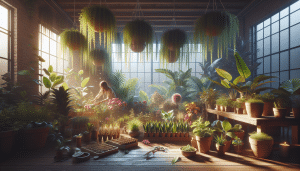
Vertical gardening has surged in popularity due to its space-saving design and appeal for urban dwellers. With homes getting smaller and outdoor space limited, this gardening method leverages vertical surfaces like walls, trellises, or shelves. Indoor vertical gardens not only provide an aesthetic uplift but also offer practical benefits. They can reduce clutter, maximize limited space, and create lush, plant-filled environments where conventional gardens might not fit. Research shows these green installations can significantly improve air quality, making them both beautiful and functional. The concept is simple yet powerful: grow up, not out.
Incorporating indoor plants in a vertical arrangement offers more than just visual beauty. It can foster positive psychological effects and contribute to well-being. Studies have found that verdant indoor spaces can lower stress and promote creativity. By choosing the right combination of plants, such as trailing vines or air-purifying species, vertical gardens enable residents to connect with nature without leaving their living rooms. Plus, these installations are often customizable, allowing anyone to design a green wall that matches their personal style and home décor.
Besides saving space, vertical gardening is great for improving humidity and regulating indoor climate. Some indoor wall gardens act as natural sound barriers, reducing noise pollution in apartments. Whether using hydroponic systems or soil-based planters, vertical solutions provide flexibility for renters and homeowners alike. A vertical indoor garden can be as simple as a few trailing plants on floating shelves or as elaborate as a living wall spanning an entire room. The possibilities—like air quality improvements and interior styling—ignite creativity in home design.
Key Plants Perfect for Indoor Vertical Gardens
Choosing the right plants is vital for a successful indoor vertical garden. Light, humidity, and growth habits all influence which species thrive. Pothos and philodendron are favorites: their cascading vines quickly cover vertical surfaces, creating lush, green displays. Ferns are likewise ideal for their air-purifying capacities and affinity for low-light conditions. Succulents, including echeveria or haworthia, offer a unique look while demanding minimal care. Mixing species with different textures and colors brings depth and interest to the arrangement, turning a simple wall into a living tapestry.
Herbs such as basil, mint, and parsley bring culinary delight and fragrance to the kitchen, making them smart options for edible vertical gardens. These herbs thrive in small spaces and can be snipped for meals at any time. Air plants (Tillandsia) are another excellent choice—they don’t require soil, need only occasional misting, and look striking in modern or minimalist homes. For those desiring dramatic effects, combining flowering plants with rich foliage adds seasonal interest and vibrant pops of color to the vertical canvas.
When designing a living wall, consider a mix of trailing, climbing, and upright varieties to balance aesthetics and ease of care. Spider plants, snake plants, and peace lilies excel at removing toxins from indoor air while tolerating varying light levels. With the right plant selection, maintenance is simple, and the garden becomes a self-sustaining ecosystem. Remember to check each species’ light and water requirements to keep the display thriving year-round—healthy plants guarantee maximum air-cleaning and visual impact.
Step-by-Step Guide to Starting Your Indoor Vertical Garden
Starting an indoor vertical garden might seem daunting, but careful planning makes the process rewarding. First, assess the chosen wall or surface. Is there enough light? Nearby windows or supplemental grow lights can make a big difference. Next, choose a vertical gardening system: simple pocket planters, mounted pots, trellises, or advanced hydroponic panels. Plan a layout, grouping plants by their sunlight and watering needs. Ensure the wall can handle the weight—especially once the garden matures and is watered regularly. Safety and structure matter just as much as style and placement.
Prepare the containers and select a high-quality, well-draining soil or opt for a hydroponic medium if preferred. Arrange plants thoughtfully: tall varieties on top, trailing options below for cascading effects. Make sure all plants are easily accessible for watering and care. Drip irrigation systems or self-watering planters further reduce maintenance, especially useful for busy lifestyles or frequent travelers. Setting up a maintenance schedule right from the start helps plants adjust and thrive—consistency is key for optimal growth and minimal plant stress.
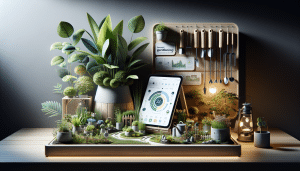
After installation, monitor the light and water levels closely during the first few weeks. Some systems benefit from a layer of mulch to retain moisture and keep the garden tidy. Keep an eye out for pests, as indoor gardens can attract aphids or fungus gnats. Consider integrating smart sensors for automated care. Regularly prune overgrown stems and remove dead leaves. With patience and routine checks, a small urban living space can quickly turn into a vibrant, thriving wall of green, boosting both air quality and ambiance.
Design Trends and Creative Ideas for Vertical Gardens
Creative vertical garden designs can fit any home’s personality, from rustic to ultra-modern. Living walls behind sofas or headboards offer dramatic statements. For renters, modular vertical planters hung with hooks provide flexibility and allow quick relocation. Some homeowners blend vertical gardens with shelving, integrating books and décor among the plants for an artistic, multifunctional wall display. Innovations like moss walls or geometric plant grids offer even more personalized touches, creating focal points and enhancing interior design while supporting plant health.
Repurposing everyday materials opens new possibilities in vertical gardening. Old pallets, shoe organizers, or trellis frames support pocket planters easily. Hanging glass globes with air plants bring softness and intrigue to minimalist spaces. For those with a tech-savvy streak, automated irrigation and lighting systems offer modern convenience, ensuring the garden thrives with minimal hands-on work. Combining climbing vines with LED grow lights creates dramatic, illuminated installations that bridge function and style, maximizing every inch of available wall space.
Combining vertical gardens with living art appeals to those with a creative eye. Framing herbs or succulents in shadow boxes produces a dynamic gallery wall effect. Integrate natural textures—wood, stone, or metal—for dimension and contrast. Urban dwellers find that even small-scale vertical gardens can foster a deep, ongoing connection to nature. Trendy or classic, each installation becomes a living testament to design and wellness, supporting both sustainability and aesthetic goals in daily life.
Care, Maintenance, and Troubleshooting for Vertical Gardens
Proper care is essential to the success of any indoor vertical garden. Regular watering, dusting, pruning, and occasional feeding with balanced fertilizer keep plants healthy. Be mindful of overwatering—vertical layouts can cause water to run off before soil absorbs it, especially in the upper rows. Watching for early signs of wilting, yellowing, or pests helps catch issues before they escalate. Good air circulation is vital; it prevents mold and fungus growth, keeping both plants and home healthy.
Pest management is especially crucial as indoor gardens can harbor aphids, scale insects, or spider mites. Integrated pest management practices, like using neem oil or introducing beneficial insects, aid control without harsh chemicals. Rotate or swap plants occasionally to let all receive sunlight. If mold appears, reduce humidity and increase ventilation. Small fans and strategic spacing between plants can prevent stagnation. Addressing problems early ensures your living wall remains vibrant and resilient, offering ongoing beauty and benefit.
Scaling your maintenance routine as the garden grows is important. Grouping plants by water and light needs not only promotes uniform growth but simplifies daily care. Many vertical garden enthusiasts install smart moisture sensors or timers to automate watering, making the commitment even easier. Keep a notebook or use gardening apps to record changes, helping to recognize patterns over seasons and adjust care accordingly. With routine attention, these indoor landscapes reward the effort with lush foliage and a healthier home environment.
Why Vertical Gardening Indoors is More Than a Trend
Vertical gardening isn’t just a fad; it represents a shift toward sustainable, healthy living, especially in urban environments. Green walls make limited or unconventional spaces come alive, contributing to wellbeing by improving air quality and supporting mental health. As climate and city landscapes evolve, integrating greenery indoors helps counteract the stresses of urban life. Vertical gardening cultivates a deeper connection to nature, reminding people daily of the beauty and benefits green spaces bring indoors.
Professionals and homeowners alike benefit from embracing this innovative gardening style. Real estate trends reveal that living walls appeal to eco-conscious buyers and can increase perceived property value. Workplaces that install indoor vertical gardens report increased productivity and reduced absenteeism, thanks to the calming effects of office greenery. For families, creating a living wall together fosters a shared sense of achievement and provides valuable learning opportunities for children about caring for the environment and understanding natural cycles.
Ultimately, vertical gardening transcends simple décor. It’s an investment in air quality, personal wellness, and creative expression. Even a modest plant wall can profoundly impact the physical and psychological atmosphere of a space. As knowledge spreads, more renters, homeowners, and businesses are discovering the lasting rewards of indoor vertical gardens—proof that the future of home gardening is going up, not out. Explore more ideas and discover how to bring your own environment to life, one wall at a time.
References
1. United States Environmental Protection Agency. (2022). Plants for Indoor Air Pollution Abatement. Retrieved from https://www.epa.gov/indoor-air-quality-iaq/indoor-plants-air-quality
2. National Gardening Association. (2022). Indoor Gardening Guide. Retrieved from https://garden.org/learn/articles/view/2181/
3. Royal Horticultural Society. (2023). Vertical Gardening Indoors. Retrieved from https://www.rhs.org.uk/advice/profile?pid=1339
4. NASA. (2016). Interior Landscape Plants for Indoor Air Pollution Abatement. Retrieved from https://ntrs.nasa.gov/api/citations/19930073077/downloads/19930073077.pdf
5. University of Illinois Extension. (2022). Gardening Indoors: A Guide to Houseplants. Retrieved from https://extension.illinois.edu/houseplants
6. Green Building Alliance. (2022). The Benefits of Indoor Plants and Living Walls. Retrieved from https://www.go-gba.org/resources/green-building-methods/indoor-plants-living-walls/

 You Can Build Digital Skills for the Modern Workplace