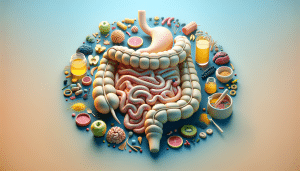
Gut Health Secrets Doctors Wish You Knew
Lucia Fernandez September 28, 2025
Curious about your digestion, mood, or immunity? Explore how your gut affects more than you think. Learn about the unseen world of gut bacteria, signs of imbalance, fiber-rich foods, probiotics, and when to get help for your gut health.
Your Gut Microbiome Shapes More Than Digestion
Your gut microbiome—trillions of bacteria, fungi, and other microbes—does far more than process the food you eat. These invisible residents help break down stubborn fibers, extract nutrients, and even produce essential vitamins. Researchers are increasingly linking the state of the gut microbiome to everything from energy levels to immune responses. It’s fascinating how a well-settled gut community can quietly support daily comfort, while imbalances can have surprising effects far beyond your stomach.
Medical science suggests gut health plays a critical role in areas like brain function and mental wellness. Specific gut bacteria produce neurotransmitters such as serotonin, which is often called the ‘feel-good’ chemical. The connection is so profound that sometimes gastrointestinal issues and mood disorders appear together. Keeping this ecosystem thriving may offer benefits for both your mind and body. Your daily routine, eating choices, and even stress levels all influence this internal neighborhood.
A balanced microbiome resists harmful invaders, defends against infection, and may reduce inflammation. When the gut’s bacterial diversity declines, research has found greater risks of chronic conditions like obesity, diabetes, and autoimmune issues. Science is still unraveling all the ways gut health ties into long-term wellness. What’s clear so far? A harmonious microbiome offers protective advantages that extend far beyond digestion.
Surprising Signs Your Gut May Be Out of Balance
Bloating, constipation, or frequent diarrhea are obvious clues to gut trouble, but many people don’t realize that symptoms can be subtle or show up in unexpected ways. Chronic fatigue, recurring headaches, food sensitivities, and even skin problems like acne or eczema sometimes trace back to gut imbalance. This happens because a compromised gut barrier may let undesirable particles escape into the bloodstream, leading to inflammation across the body.
Changes in appetite, persistent sugar cravings, and mood swings are also linked to the gut-brain axis. Cortisol spikes, lack of sleep, or long-term use of antibiotics can disrupt your gut flora just as much as a poor diet. It’s important to pay attention to these subtle cues—a tired mind or persistent skin rash may be signaling the need for microbiome care. Sometimes, people overlook such patterns for years, not realizing the originating cause is internal.
Specialists sometimes use stool testing, breath tests, or even microbiome sequencing to check for bacterial diversity or overgrowth of certain species. However, practical first steps usually include lifestyle tweaks: changing eating habits, managing stress, and restoring normal sleep. Gradually, many report steady improvement in both digestive comfort and their overall sense of wellbeing once these underlying gut issues are addressed.
How Fiber, Fermented Foods, and Probiotics Offer Gut Support
The best fuel for friendly gut bacteria is dietary fiber, especially from whole grains, legumes, vegetables, and fruits. When bacteria ferment these tough fibers, they release short-chain fatty acids (like butyrate) that feed colon cells and support immune defenses. A consistently fiber-rich diet encourages a diverse bacterial community and can gradually improve digestion. People who switch to more beans, oats, or leafy greens often notice less bloating and smoother elimination after a few weeks.
Fermented foods such as yogurt, kefir, miso, sauerkraut, and kimchi contain live beneficial microbes known as probiotics. Including these regularly may help replenish gut flora, especially following disruptions like antibiotics or infections. Not every probiotic food or supplement is equal—look for options that list the live strains on the label and avoid those with excess sugar. Moderation is key, and it’s wise to introduce new foods slowly, especially for those with existing gut sensitivities.
Prebiotic foods—like garlic, banana, artichoke, and asparagus—feed existing beneficial bacteria, helping them outcompete potential pathogens. The combination of prebiotics + probiotics supports a balanced gut ecosystem. In some cases, certain probiotics may target specific issues, such as irritable bowel or eczema, but always consult health professionals before making major changes or using concentrated supplements. It’s all about small, steady shifts in daily eating, not sudden overhauls.
Gut Health, Immunity, and Mental Clarity: The Hidden Links
Roughly 70% of the body’s immune system lives within the gut-associated lymphoid tissue. When the gut barrier is strong and diverse, it can filter pathogens and educate immune cells for smarter defense. On the flip side, a compromised microbiome can confuse immune signaling. This is one reason why gut imbalance is linked to greater risks of allergies, autoimmune conditions, frequent colds, and even sluggish recovery from illness. Balancing the gut is sometimes an overlooked but valuable step for overall defenses.
The conversation between gut and brain is ongoing thanks to the vagus nerve and various chemical messengers produced by bacteria. Individuals with healthy gut flora often report better focus, stable mood, and greater resilience to stress. By contrast, chronic inflammation in the gut can fuel ‘brain fog’ or persistent low mood. Researchers are just beginning to map these connections, but the emerging advice is clear: feeding the gut right feeds the mind too.
Some studies suggest people with regularly disrupted gut health—due to infections, poor diet, or high stress—might notice recurring headaches, irritability, or even poor sleep. While everyone’s experience is unique, supporting gut health is a gentle, natural way to boost immunity, sharpen focus, and promote emotional balance. Don’t underestimate the impact of your microbiome on daily wellbeing.
Everyday Habits to Support Better Gut Health
Simple daily routines can transform gut health over time—often without the need for expensive supplements. Key strategies include eating plenty of plant-based foods, drinking enough water, and being physically active. Exercise encourages healthy bowel movements and may improve bacterial diversity. Even brisk walking counts! Routine mealtimes help regulate digestive rhythms and foster consistent hunger and fullness cues.
Building stress-management skills, like meditation, mindful breathing, or gentle yoga, works wonders for the gut-brain axis. Chronic stress is known to shift the microbiome composition, sometimes weakening protective barriers. Leisure activities and strong social connections also play a hidden but powerful role in gut resilience. Modest, enjoyable routines are more sustainable than drastic overhauls, and gentle change is generally the most successful approach.
Antibiotics, while necessary at times, can disrupt microbial balance. Take them only as prescribed and discuss supportive measures with healthcare providers if you’re concerned. Smoking and excess alcohol harm gut lining and bacterial balance too. Listening to your body—testing foods in small amounts, noticing any symptom changes, and journaling for insight—can help personalize your gut wellness plan. There’s no one-size-fits-all solution, but steady attention to habits pays off.
When to Seek Help for Gut Issues and What to Expect
It’s wise to consult a healthcare provider if digestive problems are severe, persistent, or affect your quality of life. Symptoms like unexplained weight loss, blood in stool, severe cramping, or unrelenting diarrhea require urgent attention. These signs may indicate infections, inflammatory diseases, or other conditions needing medical care. Most gut issues are manageable, but some can have serious consequences if ignored.
Doctors typically begin with a careful symptom review and medical history, possibly followed by bloodwork, stool studies, or imaging tests. For more complex cases, referrals to dietitians or gastroenterologists may follow. Discuss any new supplements, restrictive diets, or online remedies honestly with your doctor to avoid unintentional harm. Open dialogue supports better outcomes.
Many people feel relief once a clear diagnosis and management plan are in place. Professional advice can help distinguish between harmless discomfort and signs of underlying disease. Support is available, and most patients find that gradual changes in routine, plus targeted medical treatments when needed, offer the greatest improvement. Knowledge is power—understanding gut warning signs and acting early makes a positive difference.
References
1. National Institutes of Health. (n.d.). The Human Microbiome. Retrieved from https://www.nih.gov/news-events/nih-research-matters/human-microbiome
2. Harvard Health Publishing. (n.d.). The gut-brain connection. Retrieved from https://www.health.harvard.edu/diseases-and-conditions/the-gut-brain-connection
3. Johns Hopkins Medicine. (n.d.). The Gut’s Microbiome and Your Health. Retrieved from https://www.hopkinsmedicine.org/health/wellness-and-prevention/the-guts-microbiome-and-your-health
4. Cleveland Clinic. (n.d.). How to Improve Your Gut Health. Retrieved from https://health.clevelandclinic.org/how-to-improve-your-gut-health
5. Mayo Clinic. (n.d.). Digestive health: Tips for preventing digestive problems. Retrieved from https://www.mayoclinic.org/healthy-lifestyle/nutrition-and-healthy-eating/in-depth/digestive-health/art-20048245
6. World Gastroenterology Organisation. (n.d.). Probiotics and Prebiotics. Retrieved from https://www.worldgastroenterology.org/guidelines/global-guidelines/probiotics-and-prebiotics/probiotics-and-prebiotics-english

 AI Tools That Shape the Way You Work and Create