Nutrition Habits That Support Cognitive Health
Lucia Fernandez September 29, 2025
Maintaining cognitive health isn’t just about mental exercises—it’s increasingly clear that nutrition habits play a pivotal role. Emerging research shows that what we eat can influence memory, learning, and even long-term resilience against cognitive decline.
Why Cognitive Health Depends on Nutrition
The human brain, though only about 2% of body weight, consumes nearly 20% of our daily energy intake. This enormous energy demand highlights the role of nutrition habits that support cognitive health. Specific nutrients like omega-3 fatty acids, flavonoids, and B-vitamins have been linked to better memory retention and reduced risk of neurodegenerative diseases (Gómez-Pinilla 2008).
Unlike temporary “brain-boosting” supplements, consistent dietary patterns appear more impactful. The Mediterranean and MIND diets, both rich in plant-based foods and healthy fats, have shown promise in slowing brain aging and reducing Alzheimer’s risk (Morris et al. 2015).
The Rise of Brain-Targeted Diets
The MIND Diet Trend
The MIND diet (Mediterranean-DASH Diet Intervention for Neurodegenerative Delay) combines elements of the DASH diet and the Mediterranean diet. Recent studies show that following this diet can lower Alzheimer’s risk by up to 53% in strict adherents (Morris et al. 2015).
It emphasizes:
- Leafy greens (spinach, kale)
- Berries (blueberries, strawberries)
- Nuts (walnuts, almonds)
- Whole grains
- Olive oil
Keto for Cognition
While initially popular for weight loss, ketogenic diets are being studied for brain function. By shifting the brain’s fuel source from glucose to ketones, some studies suggest improved cognitive function in mild cognitive impairment cases (Taylor et al. 2017). However, long-term safety remains under investigation.
Key Nutrients for Brain and Scalp Health
What makes nutrition habits unique is how they often overlap—what supports cognitive health can also improve scalp circulation and hair vitality.
1. Omega-3 Fatty Acids
Found in salmon, sardines, and chia seeds, omega-3s enhance neuronal communication. They also promote scalp blood flow, improving follicle strength. A meta-analysis linked higher omega-3 intake with slower cognitive decline in older adults (Yurko-Mauro et al. 2010).
2. Flavonoids
These plant compounds, abundant in berries, cocoa, and green tea, cross the blood-brain barrier and reduce oxidative stress. They’re associated with better memory performance and protection against age-related decline (Spencer 2010).
3. B-Vitamins
B6, B12, and folate regulate homocysteine levels, which when elevated are linked to cognitive decline. They also influence scalp health by supporting cell metabolism and red blood cell formation.
4. Vitamin D
Low vitamin D has been correlated with an increased risk of dementia. It also plays a role in maintaining healthy hair follicles. Sun exposure and fortified foods are primary sources.
5. Polyphenols
Found in olive oil and dark chocolate, polyphenols improve cerebral blood flow and support hair follicle microcirculation.
Intermittent Fasting and Brain Resilience
Intermittent fasting (IF) is a hot topic in nutrition science. Studies in animals suggest fasting promotes neurogenesis (the growth of new neurons) and enhances stress resistance (Mattson et al. 2018). Early human trials link IF with improved memory and reduced brain fog.
Additionally, IF may regulate scalp inflammation markers, indirectly benefiting hair health.
The Gut-Brain-Scalp Connection
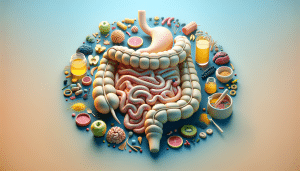
Research shows the gut microbiome communicates with the brain through the gut-brain axis, shaping mood, focus, and even how the body handles stress. Diets rich in prebiotics (fiber, resistant starch from oats, beans, bananas) and probiotics (fermented foods like yogurt, kefir, kimchi) strengthen this link.
This same system also impacts scalp health. A balanced gut lowers inflammation that can damage both neurons and hair follicles. For instance:
- Probiotic foods like yogurt improve stress response, reducing stress-related hair loss.
- High-fiber diets calm systemic inflammation, protecting brain cells and scalp tissues.
- Better nutrient absorption from a healthy gut ensures vitamins like B-complex and zinc reach the scalp where they’re needed for growth.
In simple terms: what feeds your gut also feeds your brain and scalp.
Practical Nutrition Habits That Support Cognitive Health
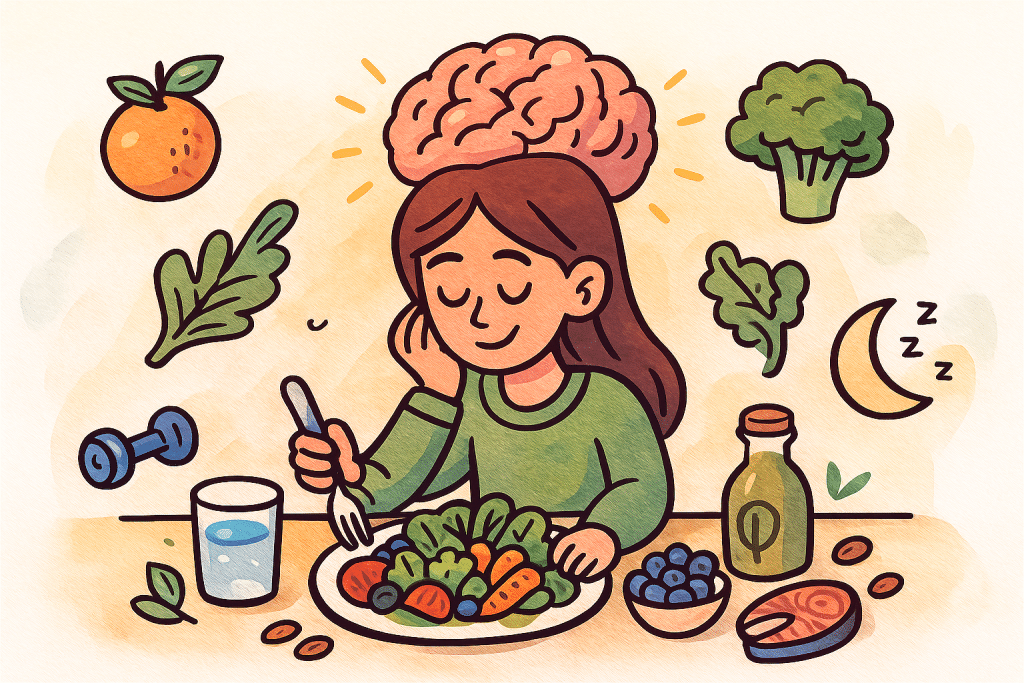
For those wanting actionable steps, here are nutrition habits to build into daily life:
- Eat Two Servings of Leafy Greens Daily
Spinach and kale are packed with folate and vitamin K, associated with slower cognitive aging. - Incorporate Berries at Least Twice a Week
Blueberries have been labeled “brain berries” by researchers for their memory-protective effects. - Prioritize Healthy Fats
Use extra-virgin olive oil as your primary cooking fat. Include fatty fish twice a week. - Swap Refined Carbs for Whole Grains
Whole grains provide steady glucose, the brain’s primary fuel. - Stay Hydrated
Even mild dehydration can impair focus and memory. Aim for 2–3 liters daily depending on activity. - Experiment with Time-Restricted Eating
Try a 16:8 fasting approach (16 hours fasting, 8-hour eating window) to support neuroplasticity. - Limit Processed Foods
Trans fats and added sugars are consistently linked to poorer cognitive performance.
Future Trends: Personalized Brain Nutrition
Personalized nutrition is moving from theory to reality. Using genetic testing and microbiome analysis, companies are creating diet plans built around individual biology rather than generic recommendations. The goal is to support cognitive longevity by addressing each person’s unique nutrient needs.
Wearable devices are also on the horizon. Soon they may be able to flag nutrient deficiencies in real time and suggest food or supplement choices that boost both scalp and brain health. We’re already seeing early versions of this with AI-driven diet apps. These tools scan food logs, then recommend tweaks such as balancing omega-3 and omega-6 ratios to improve focus and reduce inflammation.
The next step could be even more integrated—apps that sync with home blood tests or brain-tracking wearables, creating a feedback loop where your diet adapts daily to support sharper thinking and long-term brain health.
Final Thoughts
Nutrition habits that support cognitive health are no longer niche—they’re becoming central to preventive healthcare. From omega-3s to the MIND diet, evidence shows dietary choices influence how well our brains and even our scalp age.
Incorporating these practices today isn’t just about sharper memory tomorrow—it’s about long-term resilience, improved focus, and healthier living. The future of brain health may lie as much in our kitchens as in medical labs.
References
- Gómez-Pinilla, F. (2008) ‘Brain foods: the effects of nutrients on brain function’, Nature Reviews Neuroscience, 9(7), pp. 568–578. Available at: https://doi.org/10.1038/nrn2421 (Accessed: 28 September 2025).
- Scarmeas, N. and Stern, Y. (2006) ‘Cognitive reserve and lifestyle’, Journal of Clinical and Experimental Neuropsychology, 28(4), pp. 556–563. Available at: https://doi.org (Accessed: 28 September 2025).
- Lourida, I., Soni, M., Thompson-Coon, J., et al. (2013) ‘Mediterranean diet, cognitive function, and dementia: a systematic review’, Epidemiology, 24(4), pp. 479–489. Available at: https://doi.org (Accessed: 28 September 2025).

 DIY Home Projects That Enhance Comfort and Style