Gardening Tips for Limited Outdoor Spaces
Giulia Bianchi September 29, 2025
Urban living often means limited outdoor space, but that doesn’t mean you can’t enjoy a thriving garden. With the right gardening tips for limited outdoor spaces, you can transform a balcony, patio, or even a windowsill into a lush, functional oasis.
Why Small-Space Gardening Is on the Rise
Over 55% of the world’s population now lives in urban areas, and that number is expected to climb to 68% by 2050 (United Nations 2019). As cities grow denser, outdoor space shrinks. Yet, the desire for greenery has only increased, with gardening linked to improved mental health and sustainability efforts (Soga, Gaston and Yamaura 2017).
Small-space gardening has evolved into a trend fueled by:
- Rising food costs – More people are growing herbs and vegetables at home.
- Sustainability goals – Urban gardens help reduce food miles and support eco-friendly living.
- Well-being – Studies show that even a few plants can boost mood and reduce stress.
Smart Strategies for Gardening in Small Areas
1. Vertical Gardening: Grow Up, Not Out
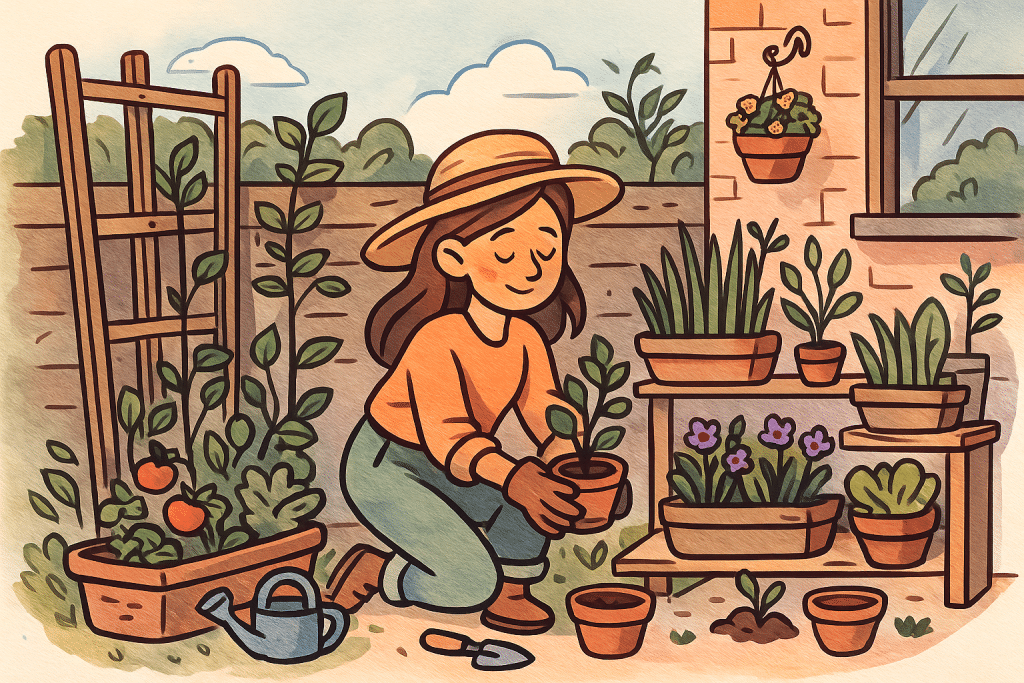
When floor space is scarce, go vertical. Wall planters, trellises, and hanging baskets allow gardeners to stack greenery instead of spreading it. Vertical gardens also improve air quality and act as natural insulation, making them ideal for apartments.
Pro Tip: Use modular vertical garden systems or simple wooden pallets to create living walls of herbs or flowers.
2. Container Gardening: Flexibility in Pots
Containers are the backbone of gardening in limited spaces. From ceramic pots to repurposed buckets, they give flexibility in plant placement and mobility.
- Opt for self-watering containers to reduce maintenance.
- Group plants with similar sunlight and water needs for efficiency.
- Use lightweight materials if gardening on a balcony to avoid excess load.
3. Choose Compact and Multi-Purpose Plants
In small gardens, every plant counts. Select dwarf varieties, compact vegetables, or herbs that serve multiple purposes.
- Dwarf tomatoes thrive in pots and produce high yields.
- Herbs like basil, rosemary, and mint not only flavor meals but also repel pests.
- Leafy greens such as spinach and lettuce grow quickly and can be harvested multiple times.
4. Use Raised Beds and Smart Planters
Raised beds don’t have to be large. Even small wooden or fabric raised planters can maximize productivity while minimizing soil compaction. They’re perfect for rooftops and patios.
Fabric grow bags are another flexible option—they allow better root aeration and are easy to move around.
5. Hydroponics and Smart Indoor Systems
One of the hottest gardening trends is soil-free hydroponic systems. These setups, often compact enough for a kitchen corner, use water-based nutrient solutions to grow plants faster than traditional soil.
Research shows hydroponics can yield up to 90% more produce in the same space while using less water (Resh 2022). For small-space gardeners, countertop hydroponic kits for herbs and greens are becoming increasingly popular.
Designing Functional Small Gardens
Create Zones for Efficiency
Even in limited areas, divide the space into micro-zones:
- Edible corner for vegetables and herbs.
- Relaxation spot with compact seating surrounded by greenery.
- Pollinator section with flowers to attract bees and butterflies.
This approach makes the garden both productive and enjoyable.
Maximize Sunlight and Microclimates
Small spaces often suffer from shade created by surrounding buildings.
- Use mirrors or reflective surfaces to direct sunlight.
- Grow shade-tolerant plants like ferns, hostas, or leafy greens.
- Position sun-loving plants on railings or rooftops.
Understanding microclimates—hot spots, windy corners, or shaded areas—helps in choosing the right plants for each section.
Smart Furniture and Multi-Use Items
Folding chairs, storage benches, and multipurpose tables ensure your outdoor space remains functional. Choose furniture that doubles as planters or storage to reduce clutter.
Sustainability in Limited Outdoor Spaces
Composting on a Small Scale
Worried about waste? Mini compost bins or bokashi systems allow city gardeners to recycle food scraps into nutrient-rich soil amendments without odor.
Water Conservation Techniques
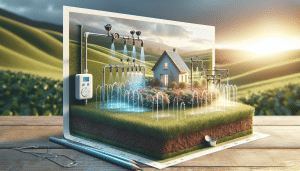
- Install drip irrigation for containers.
- Reuse household greywater (like cooled pasta water) for watering plants.
- Collect rainwater in compact barrels designed for balconies.
Trending Ideas for Small-Space Gardening in 2025
1. Edible Aesthetics
Blending beauty with function is a rising trend. Decorative vegetables like rainbow chard, purple basil, or ornamental peppers bring color while being edible.
2. Smart Gardening Tech
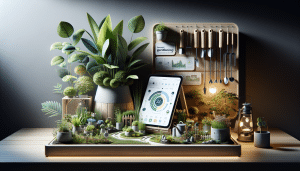
From app-controlled irrigation to soil sensors, technology is making small-space gardening more efficient. Smart planters that notify you when to water are becoming mainstream.
3. Rooftop Greenhouses
Urban rooftops are being transformed into greenhouse hubs. While not feasible for everyone, smaller greenhouse kits are now available for home gardeners looking to extend growing seasons.
4. Pollinator-Friendly Balconies
Creating pollinator havens in cities is vital for biodiversity. Small-space gardeners are planting bee-friendly flowers like lavender, echinacea, and sunflowers, even in containers.
Challenges and How to Overcome Them
Limited Sunlight
Solution: Use grow lights indoors or reflective surfaces outdoors.
Weight Restrictions on Balconies
Solution: Choose lightweight planters and soil alternatives like coco coir.
Pest Problems in Small Areas
Solution: Companion planting (e.g., basil with tomatoes) naturally reduces pests.
Lack of Time
Solution: Opt for low-maintenance plants and automated watering systems.
Practical Plant Choices for Small-Space Gardeners
Here’s a quick list of easy-to-grow plants perfect for balconies, patios, and rooftops:
- Herbs: Basil, thyme, mint, chives, parsley.
- Vegetables: Cherry tomatoes, lettuce, radishes, peppers.
- Fruits: Strawberries, dwarf blueberries, citrus in pots.
- Flowers: Marigolds, petunias, pansies, lavender.
The Benefits Beyond Plants
Small-space gardening is more than just growing food. Research highlights several benefits:
- Mental health boost: Gardening reduces symptoms of depression and anxiety (Soga, Gaston and Yamaura 2017).
- Improved diet: Home-grown produce encourages healthier eating habits.
- Community building: Rooftop and shared gardens bring neighbors together.
- Environmental impact: Even a few plants contribute to carbon capture and cooling effects in urban heat islands (Oke 2017).
Conclusion
You don’t need acres of land to enjoy the benefits of gardening. With the right gardening tips for limited outdoor spaces, you can transform a balcony, patio, or rooftop into a thriving green retreat. From vertical gardening and hydroponics to pollinator-friendly flower pots, small spaces can deliver big rewards.
As cities continue to grow, the creativity of urban gardeners proves that greenery belongs everywhere—even in the tightest corners.
References
Royal Horticultural Society. (2023) Small Space Gardening: Tips for Balconies and Patios. Available at: https://www.rhs.org.uk (Accessed: 28 September 2025).
Better Homes & Gardens. (2022) Creative Gardening Ideas for Tiny Outdoor Spaces. Available at: https://www.bhg.com (Accessed: 28 September 2025).
Gardening Know How. (2021) Container Gardening for Beginners: How to Grow Plants in Small Spaces. Available at: https://www.gardeningknowhow.com (Accessed: 28 September 2025).

 Travel Experiences That Promote Cultural Understanding