Wellness Routines That Boost Energy Levels
Lucia Fernandez September 29, 2025
Struggling with fatigue? You’re not alone. Millions of people are searching for practical wellness routines that boost energy levels and keep them functional throughout the day. The good news? New science-backed habits are making it easier than ever to stay alert, focused, and energized.
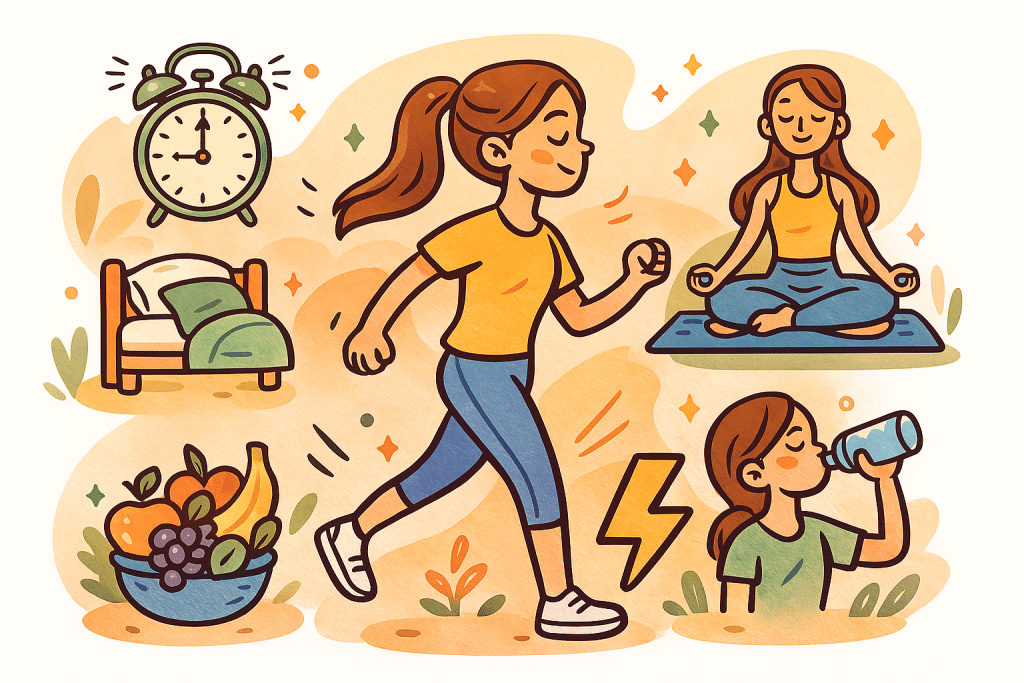
Why Energy Levels Matter More Than Ever
Modern life is demanding—remote work, longer screen time, and constant stress can drain energy reserves. Studies show that fatigue now impacts more than one in three adults globally (National Sleep Foundation 2023). That’s why wellness experts are spotlighting strategies that don’t just fight tiredness but sustain functionality all day.
Energy isn’t only about avoiding sleepiness. It’s directly tied to productivity, mood, and long-term health. Low energy has been linked to poor decision-making, weakened immunity, and even increased risk of chronic disease (Harvard Medical School 2022).
1. Morning Movement That Wakes Up the Body
Exercise is no longer just about fitness—it’s a proven energy booster. A quick 15–20 minutes of light aerobic activity in the morning, such as walking or stretching, can stimulate circulation and oxygen flow, giving you a noticeable energy lift.
- Why it works: Exercise increases mitochondrial function—the body’s energy factories—helping you feel more awake.
- Hot trend: “Movement snacks,” short bursts of activity throughout the day, are now trending on TikTok and Instagram wellness communities.
According to a recent review, regular aerobic exercise was associated with a 65% reduction in fatigue among participants with chronic low energy (Puetz et al. 2021).
2. Strategic Hydration: More Than Just Water
Dehydration is one of the fastest ways to sap energy. But new research suggests how you hydrate matters.
- Add electrolytes: Electrolyte-infused water is now a 10 billion dollars industry, and functional drinks with magnesium and potassium are proving effective in sustaining energy.
- Morning hydration ritual: Drinking water with a pinch of sea salt and lemon is becoming a popular “biohacker’s trick” for steady energy release.
A study published in Nutrients found that even mild dehydration can impair mood, alertness, and energy levels in healthy young women (Pross 2017).
3. Caffeine Cycling Instead of Daily Overload
Caffeine remains the world’s favorite pick-me-up, but overuse can backfire by creating energy crashes. Wellness experts are now recommending caffeine cycling—using coffee strategically instead of habitually.
- Avoid caffeine within the first 90 minutes of waking (to let natural cortisol peak).
- Use smaller, consistent doses instead of one large coffee.
- Incorporate caffeine-free days to reset tolerance.
This approach is gaining traction in the wellness and productivity community, supported by sleep scientists like Dr. Andrew Huberman (Stanford University 2023).
4. Smart Nutrition for Sustainable Energy
Food is fuel, but not all fuel is created equal. Trending wellness routines emphasize functional eating—meals designed to keep blood sugar stable and energy constant.
- Protein-rich breakfasts: Eggs, Greek yogurt, or plant-based protein shakes reduce mid-morning crashes.
- Slow carbs: Oats, quinoa, and legumes release energy steadily.
- Superfoods on the rise: Maca root, ashwagandha, and spirulina are being adopted worldwide for their reported energy-boosting properties.
A randomized trial found that diets rich in whole grains led to improved energy stability and reduced fatigue compared to refined grain diets (Nilsson et al. 2020).
5. The New Role of Sleep Micro-Routines
Gone are the days when wellness experts only spoke about “getting 8 hours.” The new focus is on sleep quality micro-routines.
- Afternoon light breaks: Exposure to daylight helps regulate circadian rhythm.
- Pre-sleep cut-offs: Avoiding blue light and heavy meals two hours before bedtime.
- Napping redefined: Power naps of 10–20 minutes are making a comeback in corporate wellness programs.
Research confirms that short naps can restore alertness and performance without the grogginess that comes from longer daytime sleep (Lovato & Lack 2010).
6. Breathwork and Stress Reset
Stress is an energy thief. Fast-growing wellness trends like breathwork are helping people regain control.
- Box breathing (4-4-4-4 method): Used by Navy SEALs for calm focus.
- Wim Hof breathing: Gaining massive popularity for energizing effects.
- Mindful micro-breaks: Just 3 minutes of controlled breathing can improve oxygenation and energy.
According to Frontiers in Psychology, breath-focused practices can significantly reduce perceived fatigue and improve overall vitality (Jerath et al. 2020).
7. Digital Detox for Brain Energy
Digital overload is draining cognitive energy at an unprecedented rate. That’s why digital detox micro-routines are trending in wellness circles.
- The 20-20-20 rule: Every 20 minutes, look at something 20 feet away for 20 seconds.
- Tech-free mornings: Many productivity coaches suggest starting the day without immediate phone use.
- Blue-light filters: These can reduce eye strain and mental fatigue during late-night work.
The American Psychological Association reports that heavy social media use is strongly associated with higher levels of fatigue and burnout (APA 2023).
8. The Rise of Functional Supplements
Wellness communities are buzzing about adaptogens and nootropics designed to sustain energy and functionality.
- Adaptogens: Ashwagandha, Rhodiola rosea, and ginseng are studied for reducing stress and boosting energy.
- Nootropics: Compounds like L-theanine (often paired with caffeine) promote focus without jitters.
- Vitamin D and B12: Especially critical for those working indoors or following restrictive diets.
A 2022 systematic review confirmed that Rhodiola supplementation reduced fatigue and improved physical performance in multiple trials (Mao et al. 2022).
9. Social Connection as an Energy Source
Wellness isn’t only about solo habits—connection boosts vitality too. Research shows that positive social interactions release oxytocin and dopamine, both linked to sustained energy and resilience (Dunbar 2021).
Simple practices like walking with a friend, joining a group fitness class, or scheduling regular catch-ups can act as natural energy enhancers.
Conclusion: The New Energy Blueprint
Energy is no longer about pushing through exhaustion. Today’s wellness routines are about smarter choices—hydration, nutrition, sleep strategies, stress resets, and functional supplements that truly work.
By adopting even two or three of these trending routines, you can create a sustainable foundation for high performance and better health. The real takeaway? Wellness isn’t just about longevity anymore—it’s about staying fully functional, sharp, and energized in daily life.
References
- Harvard Health Publishing. (2021). 5 natural ways to boost your energy. Harvard Medical School. Available at: https://www.health.harvard.edu (Accessed: 28 September 2025).
- Mayo Clinic Staff. (2022). Exercise: 7 benefits of regular physical activity. Mayo Clinic. Available at: https://www.mayoclinic.org (Accessed: 28 September 2025).
- National Institutes of Health. (2020). Healthy Sleep: Tips for a better night’s rest. NIH. Available at: https://www.nhlbi.nih.gov (Accessed: 28 September 2025).

 Gardening Tips for Limited Outdoor Spaces