Fitness Challenges That Encourage Daily Activity
Lucia Fernandez September 30, 2025
Fitness challenges that encourage daily activity are becoming one of the most popular ways to stay active without overwhelming routines. From step counts to online community-based streaks, these trends are transforming how people move every day.
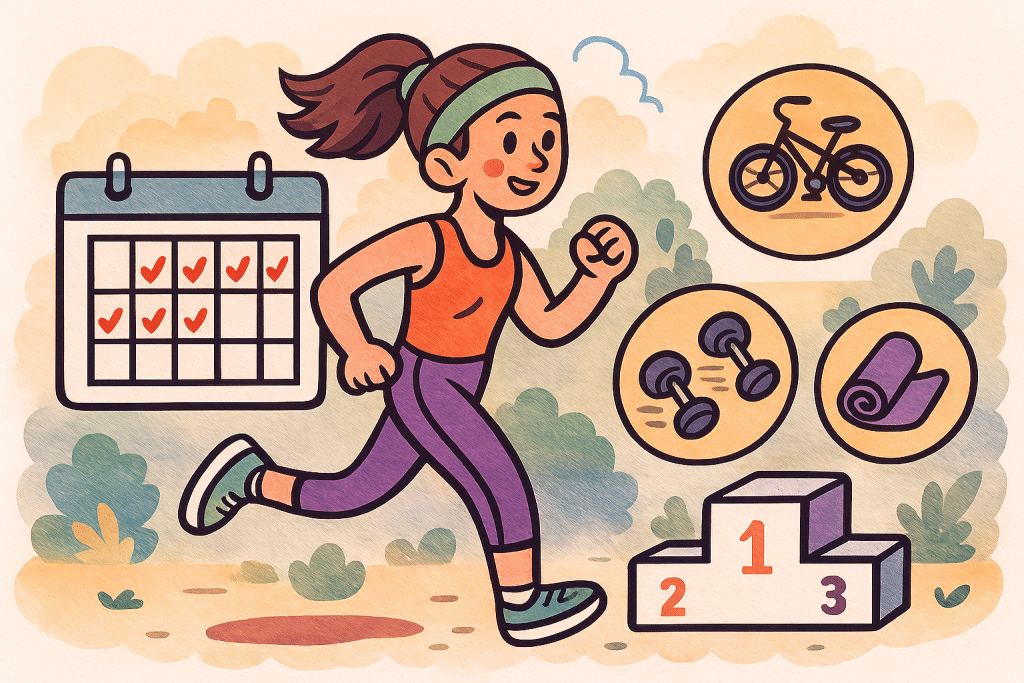
Why Fitness Challenges Work
At their core, fitness challenges tap into accountability, competition, and reward. Studies show that people are more likely to hit their activity goals when tracking progress socially or gamifying the experience (Patel et al. 2019). The psychology is simple: when progress is visible and rewarded, motivation skyrockets.
1. Step Count Wars: Daily Movement Made Competitive
Walking challenges remain the backbone of digital fitness. Platforms like Fitbit Challenges and Garmin Connect allow users to compete in step count leaderboards with friends or coworkers.
- Average participants increase daily steps by 30% during challenges (Patel et al. 2016).
- Employers are increasingly using step challenges to boost workplace wellness.
- Emerging apps now sync across multiple devices, meaning iPhone and Android users can finally compete directly.
Hot trend: Companies are pairing step challenges with micro-rewards like coffee vouchers or wellness days off, which keeps engagement high.
2. Hybrid Fitness Challenges: Online Meets In-Person
COVID-19 accelerated online fitness adoption, but in 2025, hybrid models dominate. Think yoga streaks hosted online, with monthly in-person meetups. Apps like Strava and Peloton are expanding into mixed events where digital progress translates into real-world experiences.
- Strava reported a 52% increase in hybrid fitness challenge participation since 2022 (Strava 2023).
- Local gyms now run 30-day challenge programs with integrated app tracking.
This trend is powerful because it blends convenience with community—a combination that keeps people committed longer.
3. AI-Personalized Daily Challenges
AI-driven apps like Fitbod and Future are personalizing daily activity challenges based on performance, sleep, and recovery. Instead of generic “do 10,000 steps,” users receive tailored micro-goals, such as:
- “Climb 10 flights today” if the app sees your step goal was missed yesterday.
- “Stretch 8 minutes before bed” after detecting poor recovery.
AI creates dynamic challenges, ensuring users are neither under- nor over-exerted. This personalization is revolutionizing adherence rates.
4. Social Media Fitness Challenges: Going Viral with Movement
Remember the plank challenge or the #75Hard challenge? Social media remains a major driver. TikTok, in particular, has given rise to trends like:
- The 12-3-30 treadmill challenge (12 incline, 3 mph, 30 minutes).
- 100 push-ups a day challenge.
- Dance-based movement streaks.
These viral challenges encourage millions to try new routines, with peer pressure and visibility driving participation. But experts warn to approach extreme challenges with caution to avoid injury (Harvard Health 2023).
5. Corporate Wellness: Group-Based Fitness Challenges
More companies now invest in fitness challenges as part of employee wellness benefits. Daily movement programs reduce absenteeism and improve productivity.
- Research from the American Heart Association found that workplace challenges increased physical activity levels by 22% on average (AHA 2022).
- Group accountability works—especially when there are tangible rewards like health insurance discounts.
Expect this trend to expand as corporations recognize the ROI of healthier employees.
6. Gamified Fitness: Turning Steps into Currency
Apps like Sweatcoin and Stepn reward physical activity with tokens or even cryptocurrency. These platforms gamify daily activity by letting users “spend” movement:
- Trade steps for gift cards, products, or digital perks.
- NFT-based platforms are blending gaming with physical movement.
While some question the sustainability of move-to-earn models, their popularity proves people are motivated by tangible, immediate rewards.
7. Micro-Challenges for Busy Schedules
Not everyone has time for long workouts, which is why micro-challenges are booming:
- 7-day “10 squats per hour” challenge.
- “Drink water and walk 5 minutes” hourly reminders.
- Daily streak-based yoga sessions under 10 minutes.
These bite-sized challenges align with the growing “snackable wellness” trend, keeping people engaged without requiring large time commitments.
8. Virtual Reality Fitness Challenges
VR is no longer niche—it’s mainstream. Platforms like Meta Quest Fitness and Supernatural VR now host 30-day VR workout challenges, immersing users in scenic landscapes while burning calories.
- VR fitness can burn 6–8 calories per minute, rivaling cycling and rowing (Nesbitt 2022).
- Challenges often reward consistency, not just performance, helping users stick with programs long-term.
The Future of Fitness Challenges That Encourage Daily Activity
Looking ahead, integration is key. AI, gamification, and hybrid events are merging into ecosystems that connect personal health, workplaces, and communities.
Your smartwatch will do more than count steps. It will suggest daily challenges tailored to your energy, recovery, and habits. Employers are already experimenting with rewards tied to activity streaks—wellness bonuses, extra time off, even contributions to health savings. Local gyms are blending physical classes with app-based leaderboards, so whether you’re at home or on-site, you’re part of the same challenge.
Gamification will also get smarter. Instead of simple badges, imagine AR scavenger hunts across your city or virtual races where your progress moves an avatar in real time. Fitness begins to feel less like a chore and more like a game you actually want to play.
All of this points to one thing: fitness challenges that encourage daily activity are no longer a trend. They’re evolving into a permanent framework for how people approach health in 2025 and beyond. that fitness challenges that encourage daily activity aren’t just a passing fad—they’re becoming a permanent part of how people approach health in 2025 and beyond.
Conclusion
Fitness challenges that encourage daily activity are thriving because they mix fun, accountability, and rewards. With step wars, AI-driven personalization, and VR workouts, 2025 makes it easier than ever to stay consistent. What sets these challenges apart is their flexibility. Whether you’re competitive or just looking for gentle reminders, there’s a format that fits your lifestyle. At the heart of it all is building small, steady habits. If motivation has been tough, joining a challenge could be the spark that turns daily movement into a lasting routine.
References
- Mayo Clinic Staff. (2023) Exercise: 7 benefits of regular physical activity. Mayo Clinic. Available at: https://www.mayoclinic.org/ (Accessed: 30 September 2025).
- Centers for Disease Control and Prevention. (2024) How much physical activity do adults need?. CDC. Available at: https://www.cdc.gov (Accessed: 30 September 2025).
- Harvard Health Publishing. (2022) The importance of daily movement for health and longevity. Harvard Medical School. Available at: https://www.health.harvard.edu (Accessed: 30 September 2025).

 Interior Design Ideas That Enhance Creativity