Gardening Tips That Encourage Eco-Friendly Practices
Giulia Bianchi September 30, 2025
Sustainable gardening is no longer a niche hobby—it’s becoming a movement. With climate change, rising food prices, and growing awareness of environmental impact, more people are adopting gardening tips that encourage eco-friendly practices to create greener, healthier spaces. This article explores the top sustainable gardening trends shaping 2025 and how you can apply them in your own backyard.
Why Eco-Friendly Gardening Matters
Traditional gardening often relies on heavy water use, synthetic fertilizers, and pesticides. While effective short-term, these methods damage ecosystems, pollute soil and water, and harm pollinators. Eco-friendly practices, in contrast, focus on:
- Conserving resources
- Reducing waste
- Supporting biodiversity
- Improving soil health naturally
According to the Food and Agriculture Organization (FAO), over one-third of soils worldwide are degraded, largely due to unsustainable agricultural practices (FAO 2020). Eco-friendly gardening offers everyday individuals a way to combat this trend right from home.
1. Rainwater Harvesting and Smart Irrigation
Water scarcity is a pressing issue, with nearly half the world’s population expected to face water stress by 2030 (UNESCO 2022). That makes water-smart gardening practices essential.
Practical Tips:
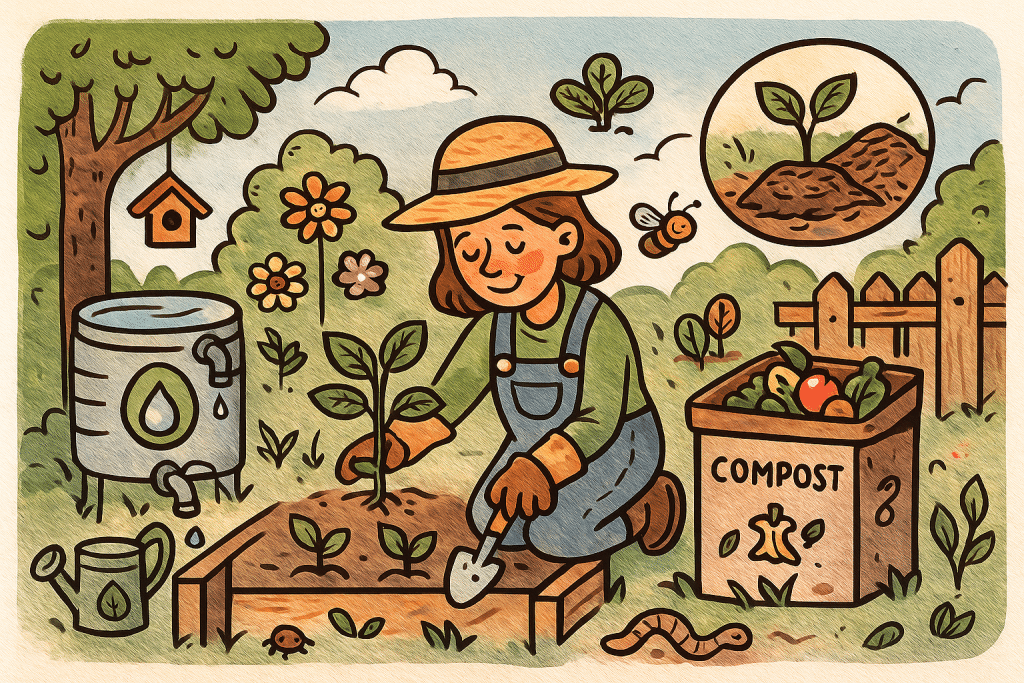
- Install rain barrels to collect roof runoff for watering plants.
- Use drip irrigation systems instead of sprinklers to reduce water waste by up to 50%.
- Water early in the morning or late evening to reduce evaporation.
These methods conserve resources while lowering utility bills—making them both eco-friendly and cost-effective.
2. Composting: Turning Waste into Gold
One of the most impactful gardening tips that encourage eco-friendly practices is composting. Organic waste like food scraps and yard trimmings often ends up in landfills, where it releases methane, a powerful greenhouse gas.
Instead, composting transforms this waste into nutrient-rich soil. Studies show compost improves soil fertility, reduces reliance on chemical fertilizers, and boosts crop yields (EPA 2021).
How to Start Composting:
- Collect kitchen scraps (vegetable peels, coffee grounds, eggshells).
- Mix with brown materials (dried leaves, cardboard, sawdust).
- Maintain balance by keeping the pile moist and aerated.
- After 2–3 months, you’ll have dark, crumbly compost ready for use.
3. Pollinator-Friendly Gardens
Pollinators like bees, butterflies, and birds are declining globally. In fact, one in six bee species is regionally extinct somewhere in the world (IPBES 2019). Without pollinators, food systems collapse.
Ways to Attract Pollinators:
- Plant native flowering species such as lavender, coneflower, and milkweed.
- Avoid chemical pesticides and opt for natural pest control methods.
- Create habitats with small water dishes and shelter (like bee hotels).
This approach not only protects biodiversity but also boosts fruit and vegetable yields.
4. Edible Landscaping
A growing trend in 2025 is replacing purely ornamental plants with edible ones. Edible landscaping allows homeowners to create beautiful yards that double as mini-farms.
Popular Choices:
- Berry bushes instead of hedges
- Fruit trees in place of shade trees
- Herbs as ground cover
This practice supports food security, reduces grocery bills, and minimizes the carbon footprint tied to transporting food.
5. Native and Climate-Resilient Plants
As global weather patterns shift, gardeners are turning to native plants that thrive in local conditions without heavy water or chemical input.
Benefits of Native Plants:
- Require less water and fertilizer
- Resist local pests and diseases
- Provide food and shelter for native wildlife
A University of Delaware study showed native plants support 29 times more native insects than non-native species, strengthening entire ecosystems (Narango, Tallamy and Marra 2018).
6. Organic Pest Control
Chemical pesticides may kill pests, but they also harm beneficial insects, pollute soil, and risk human health. Eco-friendly alternatives are gaining popularity.
Natural Methods Include:
- Neem oil sprays
- Ladybugs and lacewings as biological pest control
- Companion planting (e.g., marigolds repel nematodes and aphids)
These techniques maintain a balanced ecosystem in your garden.
7. No-Dig Gardening
No-dig gardening is an emerging trend for 2025, praised for both sustainability and ease. By layering compost and mulch on top of soil rather than tilling, gardeners protect soil structure and microbial life.
Advantages:
- Reduces carbon release from soil
- Prevents erosion
- Improves water retention
- Encourages earthworms and beneficial microbes
Gardeners report healthier, more resilient crops with less manual labor.
8. Upcycled and Recycled Garden Design
Eco-friendly gardening goes beyond plants—it also influences garden design. Instead of buying new, gardeners are upcycling old materials.
Examples include:
- Using wooden pallets as vertical planters
- Turning old tires into raised beds
- Repurposing glass jars as mini-greenhouses
This reduces waste while adding a creative, personalized touch to gardens.
9. Community and Shared Gardens
In urban areas, community gardening is growing rapidly. These spaces not only provide fresh food but also strengthen social ties and reduce urban heat islands.
According to the American Community Gardening Association, such projects increase neighborhood food security and promote environmental education (ACGA 2023).
10. Technology Meets Sustainability
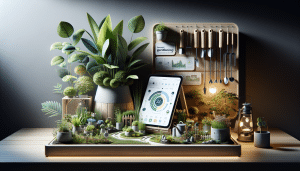
Sustainability in gardening is merging with smart tools that make eco-friendly practices easier and more precise. AI soil sensors help gardeners know exactly when plants need water or nutrients. Smart irrigation systems adjust based on weather, cutting waste. Even simple phone apps now track watering schedules, plant care, and eco-friendly tips.
Larger projects are going high-tech too. Drones can scan crops for signs of stress or pests, while solar-powered irrigation keeps gardens running on clean energy.
Examples include:
- Solar-powered irrigation controllers
- Smart gardening apps for reminders and tracking
- Drones for crop health in community gardens
By blending tech with sustainability, gardeners save resources, boost yields, and make greener choices without extra effort.
Final Thoughts
Adopting gardening tips that encourage eco-friendly practices is more than a personal choice—it’s a contribution to global sustainability. Whether you compost at home, plant pollinator-friendly flowers, or switch to no-dig gardening, every small action adds up.
Eco-friendly gardening doesn’t just create beautiful green spaces—it builds resilience, protects biodiversity, and supports healthier communities. In 2025, this movement is only set to grow, and it starts with gardeners like you.
References
- Environmental Protection Agency (EPA). (2021) Green Landscaping: Greenacres. Available at: https://www.epa.gov (Accessed: 30 September 2025).
- Royal Horticultural Society (RHS). (2022) Sustainable Gardening: Simple Steps for a Greener Garden. Available at: https://www.rhs.org.uk (Accessed: 30 September 2025).
- National Wildlife Federation. (2020) Eco-Friendly Gardening: Gardening for Wildlife. Available at: https://www.nwf.org (Accessed: 30 September 2025).

 Smart Finance Practices That Support Daily Budgeting