DIY Home Projects That Add Style and Function
Giulia Bianchi October 2, 2025
In 2025, DIY is no longer just about inexpensive décor or weekend crafts. More homeowners are looking for DIY home projects that add style and function — upgrades that look sleek and serve a practical purpose. From hidden smart tech to multi-use furniture and seamless storage systems, these trends are giving spaces more personality and utility. Below are rising project ideas, step-by-step tips, and design inspiration to help you transform your home in meaningful ways.
Why Style + Utility Is the New DIY Standard
Design trends in 2025 emphasize warm, lived-in aesthetics and sustainable materials, along with integrated tech that disappears into interiors. Professionals note that homeowners now expect upgrades that are visually striking but don’t feel gimmicky — the kind of improvements you use, not just admire.
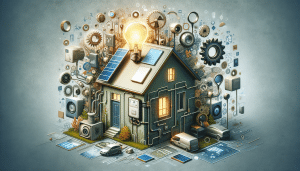
Meanwhile, smart home and automation technologies are more accessible than ever. DIYers are combining functional electronics (lighting, sensors, hidden charging) with creative design to deliver upgrades that are both beautiful and practical. One resource shows a series of weekend DIY projects like smart mirrors or RGB-lit wall décor becoming more mainstream.
Let’s explore some of the most exciting DIY trends that truly merge style with function.
Trend Projects That Blend Form and Function
Here are trending DIY project ideas that serve a purpose, not just an aesthetic:
1. Hidden Charging Stations & Discreet Wiring
Instead of having cables drape across desks or consoles, many DIYers are building hidden charging docks inside furniture drawers or behind panels. Use walnut or oak panels with cutouts and sliders so that plugs nest inside while maintaining a clean face. It’s both functional and elegantly minimal.
2. Multi-Use Furniture with Convertible Elements
Convertible furniture is having a moment. Think benches that flip into desks, coffee tables with lift-top storage, or console units that expand into dining surfaces. These designs provide flexibility in small spaces and make every square foot count.
3. Integrated Smart Lighting & Ambient Panels
One Wall Street trend version: embed LED strips or light panels behind moldings, within wall niches, or behind artwork to create subtle ambient lighting. Use smart controllers so that light color or brightness adjusts automatically. The effect is polished and the tech disappears into architecture.
4. Modular Storage Systems with Decorative Appeal
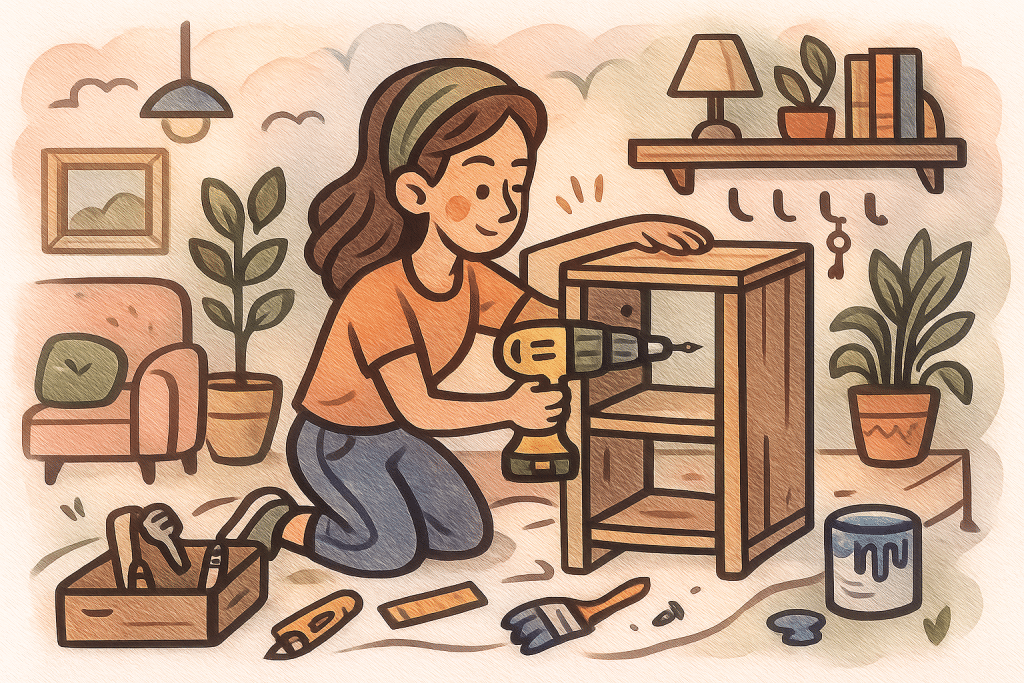
Rather than buying shelving kits, DIYers are customizing modular cubes, pegboard walls, or slotted panels that can shift with your needs. You can paint or stain them to match interior finishes, turning utility into design.
5. Plant Walls & Vertical Gardens with Irrigation
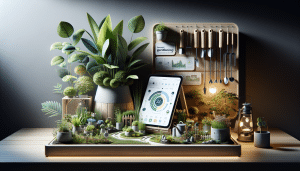
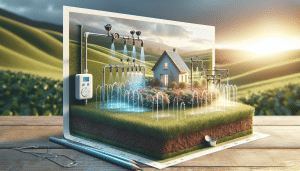
Greenery as décor is classic, but newer DIYs integrate drip irrigation tubing, self-watering reservoirs, or sensor-driven watering. You get living walls that look great and take care of themselves. These can also double as air-purifying features.
6. Alcove Upgrades & Recessed Display Nooks
One of the DIY-forward trends noted for 2025 is creating built-in alcoves and niches to house appliances, artwork, or storage. Carving out recessed zones can transform a bland wall into a functional design statement.
Step-by-Step: Build an Elegant Hidden Charging Drawer
Here’s how to DIY a charging drawer that stays sleek and hides cables.
You’ll need:
- A drawer (wood or refurbish an existing one)
- A multi-port USB fast charger / power hub
- Cable grommets / brush plates
- Wood trim, sliding panel material
- Drill, jigsaw, screws, glue
- Paint or stain to match furniture
Steps:
- Measure & plan layout — determine how many devices you’ll charge and the size of your hub.
- Cut cable grommets — in the back or underside of drawer, cut holes for cables to pass through.
- Mount power hub — fix the charger under the drawer top or to the back wall inside the drawer, allowing clearance.
- Install sliding panel or false front — you can hide the inside wires behind a hinged flap or sliding wood panel.
- Route cables neatly — use cable clips or channels to keep wires in place.
- Test and finish — Insert devices, close drawer, and ensure the face looks seamless. Stain or paint to match surroundings.
The result is a drawer that looks normal, but powers your phone, watch, or tablet — no clutter.
Tips for Success & Common Pitfalls
- Plan concealment before wiring: Decide where plugs and holes will go before cutting wood.
- Maintain ventilation: Power hubs generate heat — allow airflow or add ventilation slots.
- Use modular components: Choose connectors and wiring that allow upgrades or changes.
- Match finishes: If you stain or paint, test on scrap wood first so your handiwork doesn’t stand out awkwardly.
- Mind safety: Use proper wire gauges, grommets, and insulation to prevent damage or fire risks.
Styling Integration: How to Make It Look Intentional
Projects only succeed when they feel part of the design, not stuck-on add-ons. Consider:
- Matching accent tones (trim, baseboard)
- Using concealed hinges or flush hardware
- Allowing illumination to highlight textures or art
- Planning future flexibility (modular systems)
- Embracing contrast by combining soft and hard elements (greenery + wood, metal + fabric)
Which Projects to Try First
If you’re new to DIY electronics or integrated work, start with something small and manageable like:
- A recessed light panel behind moldings
- A simple multi-use shelf / storage cube
- Upgrading a drawer to a charging station
- Creating a small vertical plant frame with basic self-watering
Once you master those, move into more complex projects like full wall systems or multi-function furniture.
Why This Trend Matters
These hybrid projects reflect two important shifts in home design:
- Seamless tech integration — homeowners don’t want visible wires or bulky gadgets. They want that power behind the scenes. Experts predict “invisible tech that blends in” will define 2025 smart homes.
- Intelligent use of small space — with rising remote work and smaller living units, multi-use, convertible, and compact designs are more necessary than ever.
Final Thoughts
If you aim to make your home both beautiful and smart, focus your efforts on DIY home projects that add style and function. Pick one integrated idea, imagine how it fits your space and life, and build with intention. Whether it’s a hidden charging drawer or an ambient lighting wall, these upgrades become part of your daily experience — not just features you show off. Start small, learn well, and your next project might be the one you live in.
References
- 7 DIY Trends You’ll Be Seeing in Home Renovations in 2025 (2025) . Architectural Digest. Available at: https://www.architecturaldigest.com/story/2025-diy-trends-you-will-be-seeing-in-home-renovations Architectural Digest
- 7 DIY Smart Home Projects You Can Complete in a Weekend. Android Police (2025) . Available at: https://www.androidpolice.com/diy-smart-home-projects/
- Top 10 Smart Home Trends for 2025. (2025) Forbes. Available at: https://www.forbes.com/sites/jamiegold/design-and-tech-pros-predict-top-smart-home-innovations-for-2025/

 Nutrition Practices That Boost Daily Performance