Easy Indoor Plants That Thrive With Little Care
Giulia Bianchi September 25, 2025
Exploring which indoor plants require minimal effort can unlock vibrant greenery for any living space. This helpful guide reveals easy houseplants, practical care tips, and how these selections can refresh your home’s look with less stress and more success.
Low Maintenance Houseplants for Busy Lifestyles
Integrating low maintenance indoor plants into a busy home environment transforms spaces with greenery and peace of mind. Selections like the ZZ plant, snake plant, and pothos consistently make life easier for those juggling family, work, or frequent travel. They demand very little—just indirect sunlight and occasional watering—offering satisfaction for even the most inconsistent gardener. These resilient plants survive occasional forgetfulness and adapt well to changing lighting conditions. Learning to choose from these easy-care species can truly turn a living room or bedroom into a comforting retreat without increasing chores or stress. Many people find that their homes feel more vibrant, with very little additional maintenance, thanks to these choices.
Why are certain houseplants better for beginners or busy people? The answer is in their tolerance for neglect and adaptability to the average indoor climate. Plants like philodendrons and spider plants rarely require specialized soil, and they thrive under regular household temperatures. They can grow in rooms with inconsistent lighting and occasionally missed waterings. The result is less worry and more enjoyment, as it becomes easier to nurture a small jungle even in compact apartments or offices. Listening to what has worked for friends and reading trusted guides on hardy plant varieties often results in surprising success, even for those new to home gardening.
The popularity of easy indoor plants has grown as environmental awareness and indoor wellness gain momentum. Plants such as jade, peace lilies, and cast iron plant offer not only beauty but also the possibility of cleaner indoor air, as some have been shown to filter toxins and improve humidity (Source: https://www.epa.gov/indoor-air-quality-iaq/inside-story-guide-indoor-air-quality). Choosing greenery that suits a low-maintenance lifestyle means that anyone can enjoy the rejuvenating effects of indoor plants no matter how hectic their routine.
Choosing the Right Location for Plant Growth
Finding the ideal spot for your new greenery is often the secret behind robust, easy indoor plant success. While some species demand direct sunshine, many—such as pothos or snake plants—healthily adapt to low-light corners or north-facing windows. Start by observing where gentle sunlight filters in during the day and consider rotating plant pots every few weeks to maintain balanced growth. This practice ensures all sides of the plant receive light, reducing the chance of leaning stalks and faded foliage. It also adds visual variety to your setup.
Humidity and air circulation also matter. Bathrooms and kitchens can support houseplants like ferns and peace lilies, given their higher moisture levels. However, it’s important to protect sensitive species from drafty doors or heating vents. For those in dry or air-conditioned climates, grouping plants together helps maintain ambient moisture. Observing the plant’s leaves for dryness or crisping can be an early warning sign, prompting a simple move to a better location. Often, simple shifts lead to revived, healthy foliage without complicated interventions.
Even limited space can support a surprising number of healthy houseplants when location is carefully considered. Benefiting from shelves, window ledges, or vertical gardens enables you to optimize light and airflow without crowding. Many creative gardeners find joy in experimenting with placement, transforming unused areas into green nooks. The satisfaction from seeing a droopy plant come alive with just a little attention to location is hugely rewarding and encourages further exploration of easy plant care.
Watering Strategies That Prevent Overwatering
For many, watering is one of the biggest concerns after welcoming a new plant. Surprisingly, more plants are killed by overwatering than by forgetting an occasional watering session. Succulent varieties, snake plants, and ZZ plants all thrive when their soil is allowed to almost dry out between drinks. Checking the top inch of soil is an easy way to gauge when it’s time for water. Gentle touch—rather than fixed schedules—often results in healthier, longer-living plants with less work and worry.
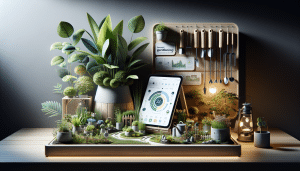
If you’re unsure where to start, begin with less water and observe plant responses. Leaves that wilt or wrinkle often ask for more refreshment, while yellowing can mean too much. Tools like inexpensive moisture meters or smart self-watering pots reduce guesswork, providing reliability for even the most distracted caretakers. These simple aids blur the boundaries between tech and gardening, making it achievable for anyone to sustain vibrant greenery, no matter their experience or schedule.
In multi-plant arrangements, grouping by water need simplifies routines and reduces mistakes. For example, combining succulents with other drought-friendly species on the same tray streamlines care and protects fussier tropicals in their own cluster elsewhere. This approach works especially well for those with little time, turning watering and plant care into a less stressful, more enjoyable habit. Many discover that minimizing effort doesn’t mean sacrificing beauty or health.
Understanding Soil and Pot Choices
A solid foundation in soil and pot selection can make all the difference for houseplants that need minimal maintenance. Well-draining soil is essential for species like spider plants or pothos, preventing soggy roots and rot. Many garden centers offer pre-mixed options that support healthy growth, but those interested in DIY approaches can mix perlite, peat, and regular potting blends for custom results. These soil combinations help balance moisture and nutrient needs for different types of plants, increasing the likelihood of success even for beginners.
Pots themselves should offer ample drainage to escape excess water. Simple clay or plastic pots with holes at the base are ideal, reducing the risk of root problems. Some modern planters incorporate hidden drainage trays for added convenience. Choosing the right pot size further supports easy-care plants; a container that’s too large can retain unwanted moisture, while tight pots help roots absorb water more evenly. Regularly checking beneath plant trays prevents water buildup and discourages fungus or pests.
Certain easy indoor houseplants can even thrive in water alone, like lucky bamboo or cuttings of pothos. These setups minimize soil mess and offer a stylish, low-maintenance way to decorate shelves or desks. Water-based arrangements allow curious gardeners to observe how roots develop—and encourage a closer connection with their plant companions. By exploring both traditional and alternative potting choices, it’s possible to suit every lifestyle and space, all without intensive care routines.
Maximizing Air Quality and Aesthetic Value
Beyond their visual appeal, easy indoor plants have a well-documented connection to indoor air quality. Classic examples like snake plant and peace lily are recognized for their ability to absorb certain airborne pollutants and release oxygen. Simple additions of greenery can thus breathe new life into stale rooms, making workspaces and homes more inviting and comfortable (Source: https://www.nasa.gov/pdf/186625main_Briefing_Admin_Summary.pdf). Careful plant selection ensures not just beauty but functional wellness improvements for those seeking a natural boost indoors.
Arranging a group of different textures, sizes, and shades adds depth to rooms while providing layers of interest. Taller plants like cast iron or rubber plant can anchor corners, while trailing vines spill elegantly from shelving. By mixing easy-care greens with decorative pots, baskets, or plant stands, any living area can feel more personal and curated. Research supports that simply viewing lush, healthy plant life can reduce stress and support mood—another reason many choose these adaptable species for their homes (Source: https://www.ncbi.nlm.nih.gov/pmc/articles/PMC4419447/).
Changing a home’s character with indoor plants does not demand constant upkeep or detailed knowledge. Enhanced air and improved décor can go hand in hand, starting with basic plant options that flourish with the light and humidity most homes provide. The gentle rhythm of watching leaves grow and roots settle can add a subtle yet powerful sense of accomplishment to everyday routines.
Troubleshooting Common Plant Problems
Even the easiest indoor plants can occasionally develop issues, but quick troubleshooting can resolve most problems. Yellow leaves may indicate excess water, while drooping can mean either too little water or sudden temperature changes. Moving plants away from drafty windows or hot radiators often helps. Using a consistent approach—observing leaves and soil closely—makes it possible to catch warning signs early and adjust routines as needed.
Pests like spider mites or fungus gnats may sometimes show up, especially if humidity is high. Wiping leaves gently, rinsing under water, or applying eco-friendly solutions such as neem oil can clear most infestations without chemicals. Ensuring soil is not waterlogged, pots have excellent drainage, and leaves are dusted occasionally helps prevent many common issues. Regular inspections keep surprises at bay and allow plants to thrive with little extra effort.
For those feeling hesitant, seeking support from reputable gardening websites, university extensions, or community plant groups can be invaluable. Resources often include flowcharts, checklists, and visual guides that clarify what’s normal and what may need attention. Sharing stories and learning from others helps demystify plant care and builds the confidence needed to experiment with new varieties. Managing occasional setbacks with straightforward solutions means enjoying the many benefits of indoor plants doesn’t have to be complicated.
References
1. U.S. Environmental Protection Agency. (n.d.). The Inside Story: A Guide to Indoor Air Quality. Retrieved from https://www.epa.gov/indoor-air-quality-iaq/inside-story-guide-indoor-air-quality
2. National Aeronautics and Space Administration. (n.d.). NASA Clean Air Study. Retrieved from https://www.nasa.gov/pdf/186625main_Briefing_Admin_Summary.pdf
3. National Institutes of Health. (2015). Interaction Between Indoor Plants, Microbes, and Airborne Pollutants. Retrieved from https://www.ncbi.nlm.nih.gov/pmc/articles/PMC4419447/
4. University of Florida IFAS Extension. (n.d.). Low-maintenance Houseplants. Retrieved from https://edis.ifas.ufl.edu/publication/ep496
5. Royal Horticultural Society. (n.d.). How to water houseplants. Retrieved from https://www.rhs.org.uk/plants/houseplants/watering
6. Clemson Cooperative Extension. (n.d.). Growing Indoor Plants with Success. Retrieved from https://hgic.clemson.edu/factsheet/growing-indoor-plants-with-success/

 Unlocking the Mysteries of Quantum Computing