Fitness Challenges That Encourage Daily Movement
Lucia Fernandez October 7, 2025
In 2025, people are looking for practical, sustainable ways to stay active. Instead of focusing only on gyms or long workouts, many are embracing fitness challenges that encourage daily movement. These challenges make activity fun, achievable, and motivating—helping individuals build consistency without feeling overwhelmed.
Daily movement doesn’t have to mean hours of exercise. It can be as simple as walking, stretching, or completing quick bodyweight routines. The point of these challenges is not perfection but commitment, encouraging participants to weave fitness into their everyday lives.
Why Daily Movement Matters
Research consistently shows that even short bursts of physical activity improve long-term health. According to the World Health Organization (2024), adults should aim for at least 150 minutes of moderate-intensity movement per week, but many struggle to achieve this. Fitness challenges help bridge that gap by:
- Making exercise feel manageable and fun.
- Encouraging accountability through goals and community.
- Reducing sedentary behavior linked to chronic diseases.
- Building long-term habits that support energy and mental health.
Types of Fitness Challenges That Encourage Daily Movement
1. Step Count Challenges
Tracking steps with smartphones or wearables helps people set achievable goals—such as 8,000–10,000 steps per day. Many workplaces and friend groups run friendly competitions to boost motivation.
2. 30-Day Bodyweight Challenge
These challenges include simple exercises like squats, push-ups, planks, and lunges. Adding small increments each day builds strength and stamina over time.
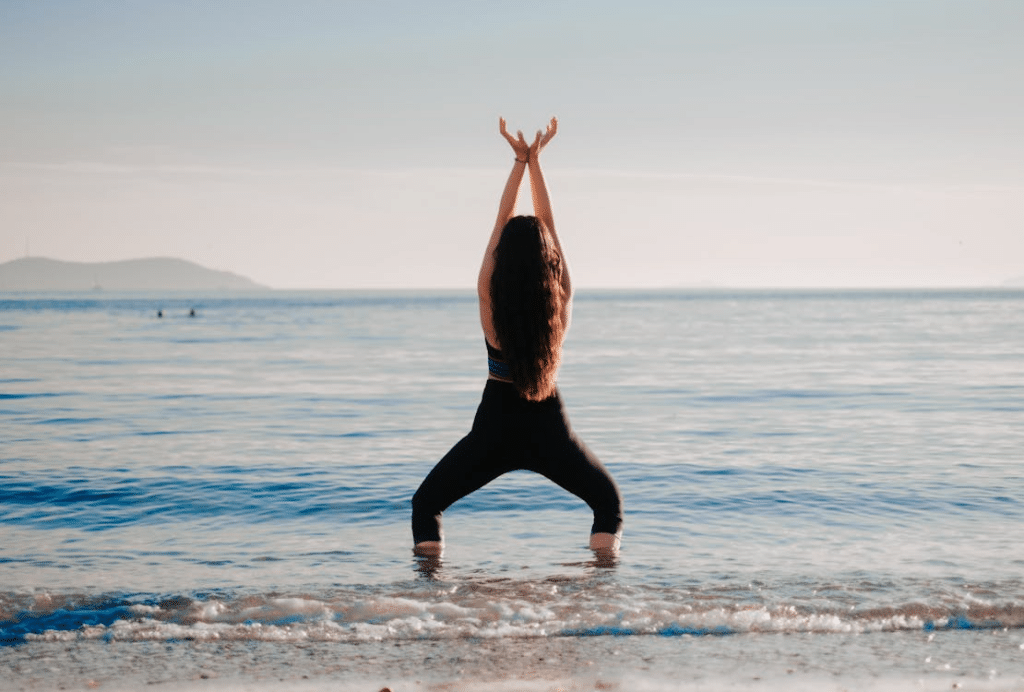
3. Daily Stretching or Yoga Challenge
Flexibility and mobility are often overlooked. A 10-minute daily stretching or yoga practice reduces stiffness, improves posture, and supports long-term joint health.
4. Morning Movement Challenge
Starting the day with 5–15 minutes of activity—whether it’s a walk, jumping jacks, or yoga—creates energy and focus for the rest of the day.
5. Outdoor Activity Challenge
Spending at least 20 minutes outside daily, whether walking, biking, or hiking, combines fitness with exposure to nature, lowering stress and improving mood.
6. “Move Every Hour” Challenge
Set a timer to stand up, stretch, or walk for 2–5 minutes every hour during the workday. This reduces the risks of prolonged sitting.
7. Family or Group Fitness Challenge
Shared challenges make fitness social and fun. Families might commit to after-dinner walks, while friends compete in weekly activity totals.
8. The 100-Rep Challenge
Performing 100 total reps of simple exercises like squats, crunches, or push-ups each day helps build endurance without requiring gym access.
9. Hybrid Challenges
Combining different goals—like 10,000 steps plus 15 minutes of yoga—keeps routines varied and engaging.
10. Mindful Movement Challenge
Activities like tai chi, slow yoga, or mindful walking combine exercise with stress reduction, making them ideal for mental as well as physical wellness.
Emerging Fitness Challenge Trends in 2025
Gamified Fitness Apps
Apps like Strava, FitOn, and Nike Training Club use points, badges, and leaderboards to keep users engaged in daily activity challenges.
Corporate Wellness Challenges
Companies are offering employees structured challenges that reward participation, improving productivity and reducing healthcare costs.
Social Media Accountability
Platforms like TikTok and Instagram feature short challenge videos that inspire millions to participate in global movement trends.
AI-Personalized Challenges
Smart fitness trackers now create daily, adaptive challenges based on individual performance and recovery metrics.
Practical Daily Challenge Plan
- Day 1–7: 5,000 steps + 5 minutes stretching.
- Day 8–14: 6,500 steps + 10 push-ups, 10 squats, 10 lunges.
- Day 15–21: 8,000 steps + 15 minutes yoga.
- Day 22–30: 10,000 steps + 100 total reps of bodyweight exercises.
This gradual build makes challenges approachable for beginners while still motivating for advanced participants.
Benefits of Fitness Challenges
Adopting fitness challenges that encourage daily movement leads to:
- Increased consistency in exercise routines.
- Reduced sedentary behavior during work or leisure.
- Improved cardiovascular health and stamina.
- Enhanced mental well-being from endorphin release.
- Long-term lifestyle habits that sustain energy and resilience.
Conclusion
In 2025, fitness is less about extreme workouts and more about building daily habits. By taking part in fitness challenges that encourage daily movement, individuals create sustainable routines that improve health, energy, and focus.
Whether it’s counting steps, committing to yoga, or joining group competitions, these challenges make movement enjoyable and achievable for everyone. The result is stronger bodies, clearer minds, and healthier lifestyles—one small challenge at a time.
References
- World Health Organization. (2024). Physical activity recommendations. https://www.who.int
- Harvard Medical School. (2024). How small amounts of daily movement improve health. https://www.health.harvard.edu
- Forbes. (2024). The rise of gamified fitness apps. https://www.forbes.com
- Mayo Clinic. (2024). Exercise for stress management and health. https://www.mayoclinic.org
- CNET. (2024). Fitness tech trends in 2025. https://www.cnet.com

 Travel Experiences That Promote Personal Growth