Fitness Habits That Improve Mental Health
Lucia Fernandez September 22, 2025
Fitness habits that improve mental health are gaining attention as more people turn to exercise as a natural, sustainable way to manage stress, anxiety, and depression. With current research linking movement and mood, it’s clear that your workout routine can be as important for your mind as it is for your body.
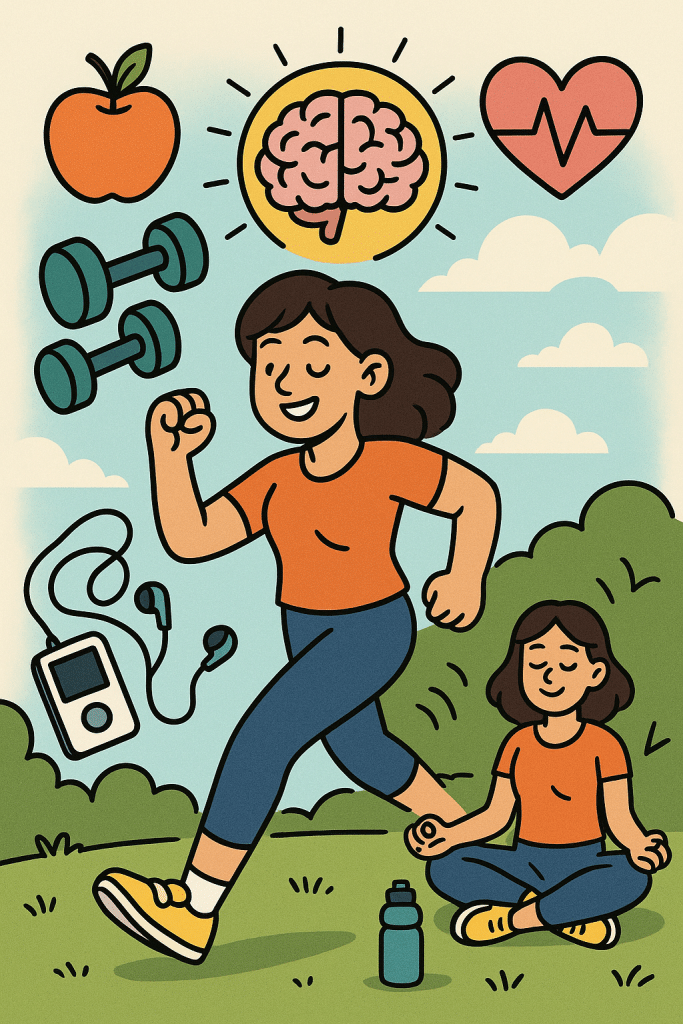
Why Mental Health Needs a Fitness Connection
The World Health Organization reports that depression is now a leading cause of disability worldwide, affecting more than 280 million people (WHO, 2023). While therapy and medication are common treatments, lifestyle interventions like regular exercise are increasingly being recognized as both preventative and therapeutic. Research shows that fitness habits not only release endorphins but also regulate sleep cycles, reduce cortisol (the stress hormone), and promote a stronger sense of self-worth (Harvard Health Publishing, 2021).
Key Fitness Habits That Improve Mental Health
1. Morning Walks for Mood Regulation
Starting your day with a brisk walk outdoors can dramatically improve your mental state. Exposure to natural light helps regulate circadian rhythms, which directly influence sleep and mood. Studies show that individuals who walk regularly in green spaces experience reduced symptoms of anxiety and depression compared to those who do not (Bratman et al. 2019).
Pro tip: Aim for 20–30 minutes each morning. If possible, choose routes with trees or open skies, as nature exposure enhances the calming effects.
2. Strength Training for Stress Relief
Strength training isn’t just for building muscle—it’s now being studied for its psychological benefits. A meta-analysis published in JAMA Psychiatry found that resistance training significantly reduces depressive symptoms, even in participants without diagnosed mental health disorders (Gordon et al. 2018).
Why it works: Resistance training provides a sense of achievement as weights increase over time, which reinforces self-efficacy and combats feelings of helplessness often linked to anxiety and depression.
3. Yoga and Breathwork for Mind-Body Balance
Yoga, once viewed as a niche practice, is now mainstream because of its evidence-backed mental health benefits. Combining controlled movement with deep breathing stimulates the parasympathetic nervous system, reducing stress and lowering heart rate.
In 2020, the Journal of Psychiatric Research reported that yoga interventions led to significant improvements in generalized anxiety disorder symptoms (Cramer et al. 2020). Additionally, breath-focused practices such as pranayama are shown to reduce physiological arousal, which is key in managing panic attacks.
4. HIIT for Cognitive Sharpness
High-Intensity Interval Training (HIIT) is known for burning calories quickly, but it also enhances brain health. A study in NeuroImage found that just 20 minutes of interval training increased blood flow to areas of the brain responsible for memory and emotional regulation (Miller et al. 2019).
This makes HIIT an ideal choice for busy professionals who need both physical fitness and sharper mental clarity. Even short bursts—like alternating sprints and recovery walks—can provide these benefits.
5. Mindful Movement: Pilates and Tai Chi
Gentle, controlled movement practices like Pilates and Tai Chi encourage mindfulness, which directly reduces stress. Unlike purely physical workouts, these methods require a focus on breathing and body alignment, pulling the mind away from racing thoughts.
A 2022 study in Frontiers in Psychology highlighted that Tai Chi participants reported significant reductions in perceived stress and improved sleep quality after just 12 weeks (Wang et al. 2022).
6. Consistency Over Intensity
One of the strongest predictors of long-term mental health benefits from exercise isn’t how hard you work out—it’s how consistently you do it. The CDC suggests at least 150 minutes of moderate activity per week, but even small daily habits, like taking the stairs or stretching before bed, contribute to reduced anxiety levels (CDC, 2023).
Emerging Trends in Fitness and Mental Health
1. Virtual Group Workouts and Online Communities
Since the pandemic, digital fitness communities have exploded. Platforms offering live-streamed yoga or strength classes provide not only exercise but also a sense of belonging. Social connection is a crucial buffer against depression, and these online groups offer accountability that keeps people moving.
2. Wearables and Biofeedback Training
Devices like WHOOP and Fitbit now track stress through heart-rate variability, encouraging users to adjust workouts for optimal recovery. Real-time feedback allows people to see the direct connection between movement and improved stress responses.
3. Exercise as Prescribed Therapy
In several countries, including the UK and Australia, doctors are increasingly prescribing exercise as part of official treatment plans for mild to moderate depression. This signals a shift toward recognizing fitness habits as frontline interventions for mental health (NHS, 2022).
Start Small, Build Gradually
Don’t rush into intense workouts. Begin with 10-minute walks or 15-minute yoga sessions to ease your body and mind into movement. Gradually increase your sessions by 5 minutes each week, allowing fitness to become a natural, stress-free habit.
Mix It Up
A balanced routine keeps things fresh and effective. Try strength training twice a week, cardio three times a week, and mindfulness exercises daily. This variety supports both physical health and mental clarity, preventing boredom and boosting long-term results.
Track Your Mood
Keep a simple journal or app log to note how you feel before and after exercising. Over time, you’ll see patterns—like reduced stress after cardio or better sleep after yoga—that reinforce your motivation and show how workouts improve your mental well-being.
Prioritize Enjoyment
Choose activities you genuinely enjoy, whether it’s dance, cycling, or hiking. Consistency matters more than intensity, and when you love what you do, sticking with it becomes effortless. Enjoyment is the secret to turning workouts into a lasting lifestyle.
Connect With Others
Exercising with friends, joining a class, or being part of a fitness group adds accountability and fun. Social interaction not only keeps you consistent but also amplifies the mental health benefits, making your workouts more rewarding.
Conclusion
Fitness habits that improve mental health are more than a wellness trend—they’re a necessary lifestyle shift backed by science. From morning walks and strength training to yoga and HIIT, these practices reduce stress, sharpen cognition, and strengthen emotional resilience. As wearables, online communities, and exercise prescriptions become more common, the future of mental health care may look a lot more like your local gym.
References
- Harvard Health Publishing. (2021) Exercising to relax. Harvard Medical School. Available at: https://www.health.harvard.edu/ (Accessed: 21 September 2025).
- Mayo Clinic Staff. (2023) Exercise and stress: Get moving to manage stress. Mayo Clinic. Available at: https://www.mayoclinic.org/healthy-lifestyle/stress-management/in-depth/exercise-and-stress/art-20044469 (Accessed: 21 September 2025).
- American Psychological Association. (2019) The exercise effect. APA. Available at: https://www.apa.org/monitor/2011/12/exercise (Accessed: 21 September 2025).

 Creative Interior Solutions for Small Apartments