Fitness Plans That Fit Into a Busy Schedule
Lucia Fernandez September 19, 2025
Finding time to work out can feel impossible when work, family, and everyday responsibilities pile up. The good news? Fitness plans that fit into a busy schedule are easier to implement than ever, thanks to new trends in short workouts, hybrid fitness models, and tech-driven solutions.
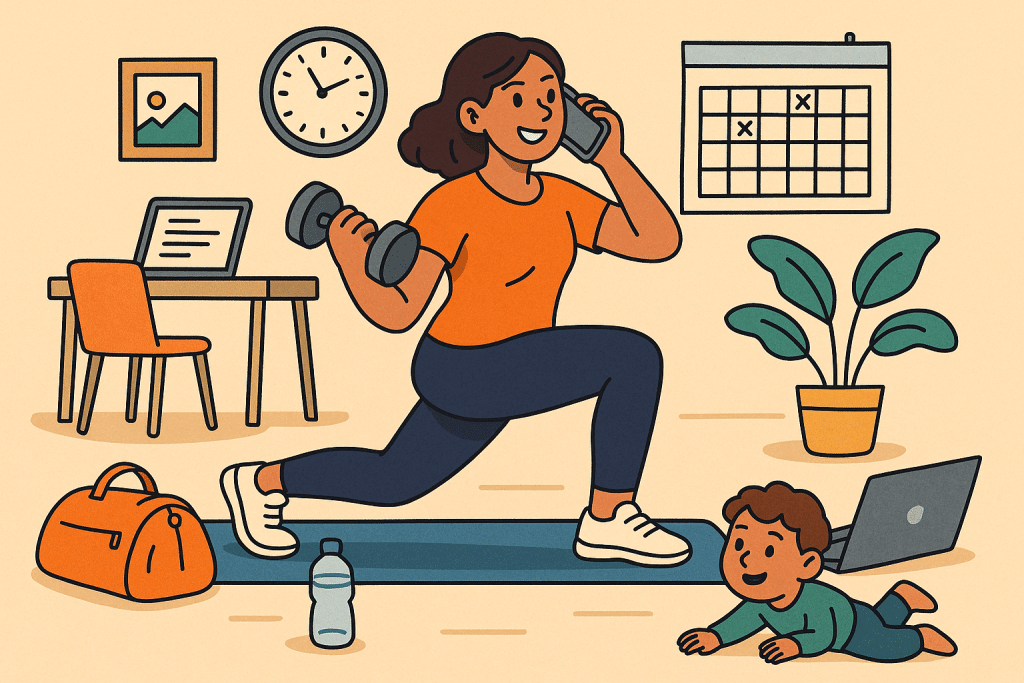
Why Fitness Feels Hard for Busy People
Many adults cite “lack of time” as their number one barrier to exercise. Between long commutes, back-to-back meetings, and parenting responsibilities, carving out 60 minutes for the gym seems unrealistic.
But experts emphasize that shorter, more flexible workouts can be just as effective as traditional routines if approached strategically (Piercy et al. 2018). In other words, you don’t need a full hour—you just need consistency and the right method.
The Rise of Micro-Workouts
Micro-workouts, or exercise sessions lasting 5–15 minutes, are rapidly gaining traction. Research shows that even brief activity bursts improve cardiovascular health, strength, and mental well-being when performed regularly (Stamatakis et al. 2019).
Popular micro-workout formats include:
- Tabata intervals: 20 seconds of effort followed by 10 seconds of rest, repeated eight times.
- Desk-friendly stretches and resistance bands for people working long hours.
- HIIT apps designed to guide 7-minute workout sessions.
This trend appeals to professionals who can’t commit to long gym visits but can squeeze in two or three short bursts of exercise daily.
Hybrid Fitness Models: Online Meets In-Person
The pandemic accelerated the rise of hybrid fitness, where people blend home workouts with occasional gym or studio visits. A 2023 industry survey revealed that over 60% of adults now prefer flexible memberships that let them stream classes on some days and train in-person on others (IHRSA 2023).
Benefits of hybrid models include:
- Time efficiency: Stream a yoga class at home instead of commuting.
- Cost savings: Lower membership fees by choosing hybrid over full in-person packages.
- Personalization: Apps track your progress while trainers provide real-time feedback during studio sessions.
This flexibility makes hybrid fitness one of the fastest-growing options for busy professionals.
Tech-Driven Fitness: Smart Tools for Smarter Workouts
Another major trend reshaping fitness plans that fit into a busy schedule is wearable and AI-driven fitness technology. Smartwatches and connected apps don’t just track steps—they recommend workout lengths, recovery times, and even “movement reminders” throughout the day.
Apps like FitOn, Peloton Digital, and Apple Fitness+ integrate micro-workouts, mindfulness breaks, and adaptive plans based on your calendar.
Studies suggest that people who use fitness trackers are more consistent with exercise and less likely to abandon fitness goals mid-year (Brickwood et al. 2019).
Functional Fitness for Everyday Strength
Functional training—workouts mimicking real-life movements—is increasingly popular among those short on time. Exercises like squats, lunges, and kettlebell carries strengthen muscles used in daily activities, meaning you get more “bang for your buck.”
A functional workout doesn’t require a gym. Many people adopt 15-minute at-home functional circuits using bodyweight moves or simple tools like resistance bands.
Not only does this style of training build strength, it also reduces the risk of injury and improves long-term mobility (Thompson 2021).
Fitness “Snacking”: Breaking Exercise into Chunks
Think of exercise like meals: you don’t need one giant serving; small snacks throughout the day work too. The “exercise snacking” trend encourages breaking movement into 2–3 short bursts spread across the day.
Examples:
- A quick stair climb before a meeting.
- A 10-minute walk after lunch.
- A plank and push-up circuit during TV commercials.
These small “snacks” accumulate into the recommended 150 minutes of weekly moderate activity without ever feeling overwhelming (Piercy et al. 2018).
Step 1: Define Your Non-Negotiables
Instead of dreaming about hour-long workouts, commit to just 10 minutes a day. This small shift ensures you stay consistent without overwhelming yourself. The key is to decide in advance when your workout will happen—before work, during lunch, or just before bed. By treating this time as an unmovable appointment (like a meeting with your boss), you’ll remove the mental battle of “when” and make it automatic. Remember: consistency matters more than duration.
Step 2: Choose Your Workout Style
Not every day needs the same type of workout. Mix it up with quick formats that fit into any pocket of time:
- 5-Min Tabata Blast: Rotate through bodyweight squats, push-ups, burpees, and jumping jacks. This ultra-fast style maximizes calorie burn.
- 15-Min Functional Circuit: Try squats, lunges, planks, and kettlebell swings for a total-body burn. Circuits keep your heart rate up while building strength.
- Desk Stretch Series: On super busy days, sneak in neck rolls, hip openers, and wrist mobility drills to prevent stiffness from long sitting hours.
By having multiple options, you’ll never feel stuck. You can match your workout to your energy, mood, or time available.
Step 3: Use Tech to Stay Accountable
Technology is your best friend for sticking to a plan. Start by scheduling reminders in your phone or work calendar so your workout doesn’t slip through the cracks. Use apps like Nike Training Club or Seven for guided short workouts that remove decision fatigue. For extra motivation, track your weekly streak and watch how quickly those minutes add up. Progress becomes addictive once you can see it.
Step 4: Stack Fitness with Habits
One of the easiest hacks is to pair fitness with things you already do daily. While brushing your teeth, knock out calf raises. During long phone calls, stretch your hamstrings or hold a plank. Turn brainstorming sessions into walking meetings. These “micro workouts” may seem small, but research shows they significantly boost daily activity when added up. Over a week, this can be the difference between stagnation and steady progress.
Step 5: Review Weekly Progress
Every Sunday (or whichever day suits you), take five minutes to check your progress. Write down how many minutes you were active. If you hit 150 minutes across all sessions in a week, congratulations—you’ve met the recommended baseline for health. If not, don’t beat yourself up; instead, use it as feedback to adjust next week. Maybe mornings work better than evenings, or maybe you need shorter but more frequent bursts. Progress comes from reflection and small tweaks.
Final Thoughts
Fitness doesn’t have to mean two-hour gym sessions or waking up at 4 a.m. With strategies like micro-workouts, hybrid models, functional training, and fitness “snacking,” you can design fitness plans that fit into a busy schedule.
The key is consistency, not perfection. By using short, smart, and tech-supported workouts, you’ll build strength, reduce stress, and stay healthier—all without sacrificing the rest of your life.
References
- Harvard Health Publishing. (2021) Exercising to relax. Harvard Medical School. Available at: https://www.health.harvard.edu/staying-healthy (Accessed: 19 September 2025).
- Centers for Disease Control and Prevention (CDC). (2022) How much physical activity do adults need? U.S. Department of Health & Human Services. Available at: https://www.cdc.gov/physicalactivity (Accessed: 19 September 2025).
- Mayo Clinic Staff. (2023) Exercise: 7 benefits of regular physical activity. Mayo Clinic. Available at: https://www.mayoclinic.org/healthy-lifestyle/ (Accessed: 19 September 2025).

 How Online Communities Improve Education Access