Fitness Practices That Boost Mental Clarity
Lucia Fernandez September 25, 2025
In today’s overstimulated world, people are turning to fitness practices that boost mental clarity as a way to cut through brain fog and sharpen focus. From mindful movement to high-tech workouts, here’s how fitness is evolving into a cognitive enhancer.
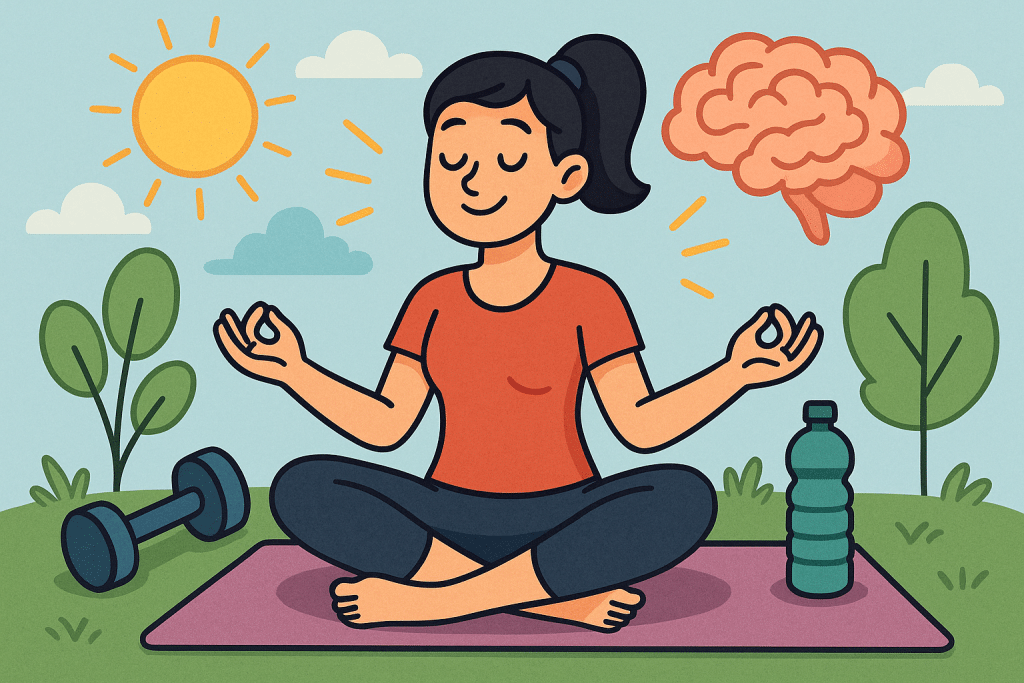
Why Mental Clarity Is Becoming a Fitness Priority
Traditional fitness has long been associated with building strength and losing weight, but emerging science shows exercise is just as powerful for brain health. Mental clarity—defined as the ability to focus, think clearly, and regulate emotions—is now seen as a core goal of modern training.
Research published in Frontiers in Psychiatry demonstrates that regular physical activity reduces stress and improves cognitive performance, especially in working adults balancing multiple demands (Lubans et al. 2016). This shift explains why more gyms, apps, and fitness communities are prioritizing mental clarity alongside physical endurance.
The Hottest Fitness Practices That Boost Mental Clarity
1. Zone 2 Cardio: The Focus Enhancer
While HIIT dominates social media, steady-state Zone 2 cardio—low-to-moderate intensity exercise—has gained attention for its impact on cognitive function. This form of training optimizes fat metabolism and stabilizes energy, which directly supports mental endurance.
Neuroscientists report that aerobic activity promotes neurogenesis in the hippocampus, the brain’s memory center, leading to sharper recall and reduced risk of brain fog (Erickson et al. 2011). A brisk walk, light jog, or cycling session is no longer just for heart health—it’s for sharper thinking.
2. Yoga and Breathwork for Cognitive Reset
Yoga has been practiced for centuries, but its resurgence in the mental health space is tied to its proven ability to balance the nervous system. Combined with intentional breathwork, yoga helps lower cortisol and restore focus.
A 2020 review in Brain Plasticity found that consistent yoga practice improves executive function, working memory, and emotional regulation (Gothe et al. 2020). This makes it a preferred option for professionals struggling with stress and students seeking sharper focus before exams.
3. Functional Training for Body-Brain Connection
Functional fitness—movements that mimic everyday actions—does more than build strength. Exercises like kettlebell swings, balance drills, and agility ladders activate both hemispheres of the brain, enhancing coordination and reaction times.
Experts in neurofitness argue that complex movements requiring timing and balance demand high levels of brain engagement, effectively making workouts a form of mental training (Best 2010). This has led to the rise of “cognitive gyms” where functional workouts are paired with brain-training tasks.
4. Cold Exposure and Contrast Therapy
Cold plunges are more than a viral trend—they’re a scientifically supported practice for boosting alertness. When the body is exposed to cold water, norepinephrine levels spike, enhancing focus and mood.
A study in Medical Hypotheses noted that regular cold exposure may improve resilience to stress and sharpen mental clarity (Shevchuk 2008). Pairing contrast therapy (alternating hot and cold exposure) with workouts is becoming a staple in recovery studios targeting peak performance seekers.
5. Tech-Driven Neurofitness: VR Workouts and Wearables
Emerging tech is transforming how people approach fitness for the brain. Virtual reality (VR) workouts immerse users in gamified environments that require focus and multitasking, enhancing cognitive flexibility.
At the same time, wearables like Oura Ring and WHOOP are now marketed not only for tracking physical metrics but also for managing readiness, sleep cycles, and stress—all factors tied directly to mental clarity.
Practical Ways to Add These Practices into Your Routine
If you want to bring these fitness practices into your week, here’s a simple structure you can build on:
- 2–3 days Zone 2 cardio: Brisk walking, cycling, or swimming at a steady pace. Aim for 30–40 minutes where you can still talk but feel your heart working.
- 2 yoga sessions: Choose breath-led flows like Vinyasa or gentle Hatha. Even 20 minutes in the morning or evening helps lower stress and sharpen focus.
- 2 strength sessions: Stick to compound moves—squats, push-ups, deadlifts. They train multiple muscles at once and improve overall coordination.
- Recovery with heat or cold: Rotate between a sauna, steam room, or a quick cold shower after workouts to support circulation and mood.
- Optional neurofitness tools: Try VR fitness games, meditation apps, or wearables that track recovery if you enjoy tech-based motivation.
This mix balances endurance, strength, flexibility, and recovery. Start small—swap one walk or one yoga flow into your week—and build up until it feels natural.
How Mental Clarity Fitness Impacts Daily Life
The benefits extend well beyond the gym. People who stick to these practices often notice:
- Increased productivity at work – clearer focus makes it easier to handle complex projects, meet deadlines, and stay motivated throughout the day.
- Sharper memory – regular activity supports better learning and recall, whether that’s studying for exams, remembering names, or keeping track of details at work.
- Lower stress and better mood – exercise helps regulate emotions, reduces anxiety, and creates a more balanced outlook, even during stressful weeks.
- Steadier energy – instead of the mid-afternoon crash, active people often feel more consistent energy that carries them through work, errands, and family time.
On top of that, fitness routines tied to mental clarity can improve sleep quality, which further strengthens focus and resilience. It’s a cycle: better movement leads to better rest, and better rest leads to clearer thinking.
The U.S. Centers for Disease Control and Prevention (CDC) even recognizes exercise as a first-line tool for protecting and improving cognitive health across all ages (CDC 2022). This makes fitness not just about looking good but about showing up sharper, calmer, and more prepared in everyday life.
The Future of Fitness: From Muscles to Mind
What’s clear is that fitness is evolving into a tool for cognitive enhancement. Whether it’s through ancient practices like yoga or cutting-edge innovations like VR workouts, the fitness industry is shifting toward brain-first approaches.
For individuals, the question is no longer “How do I get fit?” but rather “How do I get clear, focused, and resilient?” By embracing fitness practices that boost mental clarity, you’re investing not just in your body, but in your mind’s ability to thrive in a complex world.
References
- Harvard Health Publishing. (2021) Exercise and mental health: What the science says. Harvard Medical School. Available at: https://www.health.harvard.edu (Accessed: 24 September 2025).
- American Psychological Association. (2020) How exercise boosts mood and mental health. APA. Available at: https://www.apa.org (Accessed: 24 September 2025).
- World Health Organization. (2022) Mental health and physical activity: Evidence and policy implications. WHO. Available at: https://www.who.int/ (Accessed: 24 September 2025).

 Interior Design Ideas That Make Small Rooms Feel Larger