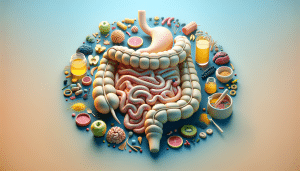
Foods That Help Boost Your Gut Health Naturally
Lucia Fernandez October 27, 2025
Unlock the secrets behind gut health and discover how specific foods support better digestion and overall well-being. This guide explores daily choices, helpful habits, and the science behind maintaining a balanced microbiome for a healthier lifestyle. See what small changes can do for your wellness journey.
Understanding the Importance of Gut Health
The benefits of a healthy gut extend far beyond digestion. The gut, also called the gastrointestinal tract, is home to trillions of microorganisms collectively known as the gut microbiome. Research indicates that the gut microbiome plays a critical role in immune system regulation, mental health, and even weight management. It’s not just what you eat that shapes your gut health, but also how you treat your whole body. Regular sleep, reduced stress, and daily movement all play a role. Most notably, though, the foods consumed each day can tip the balance toward a healthy and diverse gut microbiome, setting the foundation for overall well-being (see Harvard T.H. Chan School of Public Health).
People often hear that gut health affects digestion, but they may not realize its connection to immune defenses and inflammation. In fact, about 70% of the immune system resides in the gut. When the gut lining is robust and the microbiome is in balance, the body is better equipped to ward off harmful bacteria, viruses, and toxins. On the flip side, poor dietary choices—such as excess processed foods, sugar, and unhealthy fats—can weaken gut integrity and increase the risk of chronic disease. This makes gut health a cornerstone of prevention, not just comfort (see MedlinePlus).
With more people reporting digestive discomfort, interest in optimizing gut health is on the rise. Recent studies have linked gut imbalances, known as dysbiosis, to conditions like irritable bowel syndrome, mood fluctuations, and even autoimmune disorders. Looking after gut health is about looking after the whole self. Gaining a better understanding of the microbiome empowers daily choices and supports a happier, healthier life for the long term (source: National Center for Biotechnology Information).
Probiotic-Rich Foods That Support Digestion
Fermented foods are particularly valuable for gut health due to their natural probiotic content. Probiotics are live bacteria that replenish the gut’s microbial diversity. Yogurt, especially when labeled with ‘live and active cultures,’ can deliver beneficial strains like Lactobacillus and Bifidobacterium. These strains are well-studied and have been associated with reduced symptoms of bloating, improved bowel regularity, and even lower rates of gastrointestinal infection. For those seeking dairy alternatives, some plant-based yogurts also contain probiotics, but checking the label is key (see National Institute on Aging).
Other standout probiotic sources include kefir, kimchi, sauerkraut, miso, and kombucha. Each of these brings unique flavors and live cultures to your diet. Regularly including them may help populate the gut with friendly bacteria that crowd out harmful strains and promote smoother digestion. Incorporation doesn’t have to be complicated: a spoonful of sauerkraut with lunch, a glass of kefir as a snack, or a miso broth starter can fit into everyday meals easily.
For people interested in gut health and probiotics but wary of fermented flavors, options like mildly flavored pickles (made through natural fermentation) can be a starting point. Probiotic supplements are also available, but foods offer additional nutrients and fiber. Bringing a variety of fermented foods into the week can diversify the microbial community, which experts believe is especially protective for long-term health (source: Mayo Clinic).
Fiber-Packed Choices for Optimal Gut Function
Dietary fiber is essential for keeping the gut running smoothly. Foods high in fiber not only help maintain regularity but also feed beneficial gut bacteria. When these bacteria ferment fiber, they produce short-chain fatty acids (SCFAs), which are linked to reduced inflammation and improved gut lining. Top sources of beneficial fiber include beans, lentils, whole grains, oats, apples, and berries. Choosing a variety invites more types of helpful microbes to thrive (see CDC).
The benefits of fiber go beyond regularity. High-fiber foods help manage blood sugar spikes and support healthy cholesterol. In the gut, fiber adds bulk to stool and helps flush waste from the digestive tract, leaving less for potentially harmful bacteria to use. For individuals unused to high-fiber foods, increasing intake slowly can minimize discomfort while supporting long-term digestive strength.
Soluble fiber, found in foods like oats and apples, helps soften stool and feeds positive microbes. Insoluble fiber, present in whole wheat and many vegetables, adds bulk and aids in moving food efficiently. A balanced approach includes both types, making every meal an opportunity for gut improvement. With diverse sources, fiber becomes a powerful, accessible ally.
Prebiotics and Why They Matter
Prebiotics are distinct from probiotics, but no less important. While probiotics are live bacteria, prebiotics are certain types of fiber that nourish those bacteria. Garlic, onions, leeks, asparagus, and bananas are all notable prebiotic-rich foods. By fueling probiotics, prebiotics help sustain a resilient and diverse gut microbiome. They occur naturally in many everyday foods, making them a simple addition for most diets (see NHS).
The role of prebiotics in digestive wellness is often underestimated. Studies have shown that a continuous supply of prebiotic fibers improves gut barrier function, supporting immune defenses and lowering the risk of certain gastrointestinal complaints. When paired together, prebiotic and probiotic foods amplify each other’s benefits—a powerful strategy called synbiotic eating.
To optimize the advantage, meals can combine both. For example, a yogurt parfait with sliced bananas or a vegetable stir-fry with garlic and onions. Over time, these choices boost the abundance of helpful species and encourage a thriving, adaptable microbiome—all from familiar foods already in many kitchens.
What to Limit for Gut Harmony
Certain dietary patterns can challenge gut health. Diets high in processed foods, refined sugars, and saturated fats have been associated with reduced microbial diversity and a greater prevalence of gut discomfort. Artificial sweeteners, often perceived as a healthier choice, may also disrupt the balance of the microbiome by negatively affecting beneficial bacteria. Moderation is key. Occasional treats are part of life, but the daily staple foods are what count most (see Harvard T.H. Chan School of Public Health).
Alcohol can act as an irritant and worsen gut permeability, sometimes leading to inflammation. Excess salt, regularly found in packaged and restaurant foods, has also been linked to changes in microbial populations. It’s not about strict avoidance, but about informed balance—substituting fresh ingredients, reading labels, and practicing variety whenever possible.
Gut-friendly eating doesn’t mean giving up enjoyable foods. Instead, consider small swaps—whole grain bread instead of white, an afternoon kombucha instead of soda, or fiber-packed beans instead of fatty meats. Many people notice more energy, smoother digestion, and even clearer skin when these shifts become habits.
Lifestyle Tips for Lasting Gut Wellness
Daily food choices matter most, but lifestyle habits play an undeniable role in gut health. Quality sleep helps regulate digestion and supports healthy bacterial rhythms. Physical activity stimulates the intestines and improves motility, keeping things moving at an optimal pace. Even subtle changes, like standing up to stretch after meals or taking an evening walk, offer benefits.
Stress management is often overlooked in discussions of overall health, but evidence suggests that chronic stress disrupts gut-bacteria balance. Techniques such as mindful breathing, meditation, and connecting with others can all support gut resilience. These non-food interventions may appear small, yet they help buffer against digestive complaints and improve overall sense of well-being. Pairing these with mindful eating multiplies the benefit.
For individuals wanting to optimize gut health, consistency trumps perfection. Occasional indulgences or missed workouts will have a minor impact if the larger routine remains supportive. Each step, no matter how small, builds on itself and allows for a lifelong, sustainable approach to feeling well and energetic.
References
1. Harvard T.H. Chan School of Public Health. (n.d.). The gut microbiota. Retrieved from https://www.hsph.harvard.edu/nutritionsource/gut-microbiota/
2. MedlinePlus. (n.d.). Gut health. Retrieved from https://www.medlineplus.gov/guthealth.html
3. National Center for Biotechnology Information. (n.d.). Introduction to the human gut microbiota. Retrieved from https://www.ncbi.nlm.nih.gov/books/NBK459455/
4. National Institute on Aging. (n.d.). Yogurt and probiotics: Your gut. Retrieved from https://www.nia.nih.gov/news/yogurt-and-probiotics-your-gut
5. Centers for Disease Control and Prevention. (2022). Know your limit for added sugars. Retrieved from https://www.cdc.gov/nutrition/data-statistics/know-your-limit-for-added-sugars.html
6. NHS. (n.d.). The facts about fibre. Retrieved from https://www.nhs.uk/live-well/eat-well/food-types/fibre-in-diet/

 What Global News Reveals About Technology’s Surprising Impacts