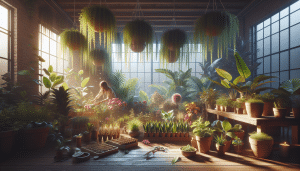
Gardening Techniques That Maximize Growth
Giulia Bianchi October 10, 2025
Gardening has always been about patience, care, and knowledge. Yet in 2025, with climate changes, innovative tools, and new insights into soil and plant biology, it is easier than ever to improve yields and create thriving gardens. By adopting proven gardening techniques that maximize growth, both beginners and experienced gardeners can cultivate healthier plants, stronger harvests, and more sustainable outdoor spaces.
Moreover, gardening today is not only about producing food or flowers—it is also about supporting ecosystems, conserving resources, and enhancing well-being. That is why modern gardeners embrace techniques that combine tradition with innovation.

Why Maximizing Growth Matters
Healthy, fast-growing plants provide multiple benefits. They increase yields for food gardens, boost biodiversity for pollinators, and create more resilient landscapes. Beyond the practical advantages, strong growth means less maintenance and fewer pest or disease issues.
Key benefits of maximizing growth include:
- Higher yields – Larger harvests from the same space.
- Resource efficiency – Less water and fertilizer needed per plant.
- Healthier ecosystems – Plants contribute more to soil and wildlife.
- Sustainability – Stronger growth supports long-term gardening success.
- Aesthetic appeal – Lush, vibrant gardens enhance outdoor spaces.
Therefore, maximizing growth creates balance between beauty, productivity, and sustainability.
Gardening Techniques That Maximize Growth
1. Improve Soil Health First
Soil is the foundation of plant growth.
- Add organic matter such as compost or aged manure to enrich nutrients.
- Rotate crops to avoid nutrient depletion.
- Test soil pH and adjust with lime or sulfur for optimal balance.
As a result, healthier soil produces stronger and more resilient plants.
2. Practice Proper Watering Techniques
Watering incorrectly is one of the biggest growth barriers.
- Deep watering encourages strong root development.
- Drip irrigation reduces waste and prevents fungal diseases.
- Mulching conserves soil moisture and regulates temperature.
Consequently, proper watering supports both growth and sustainability.
3. Use Companion Planting
Plants can help each other grow.
- Basil boosts tomato growth and deters pests.
- Marigolds protect against nematodes and attract pollinators.
- Beans enrich soil with nitrogen for leafy crops.
Therefore, strategic pairings improve yields naturally.
4. Optimize Plant Spacing
Overcrowding limits growth potential.
- Follow spacing guidelines for each crop.
- Use vertical gardening to maximize limited areas.
- Thin seedlings early to reduce competition for light and nutrients.
As a result, proper spacing leads to larger, healthier plants.
5. Fertilize Strategically
Plants need consistent nutrient support.
- Use slow-release fertilizers for steady feeding.
- Balance nitrogen (leaf growth), phosphorus (root growth), and potassium (flowering/fruiting).
- Apply compost tea or organic feeds regularly.
Thus, targeted fertilization ensures growth without overloading soil.
6. Prune and Train Plants
Pruning stimulates stronger growth.
- Remove dead or overcrowded branches to improve airflow.
- Train vines and tall plants on trellises for better sunlight access.
- Pinch off early flower buds to encourage plant establishment.
Consequently, structured pruning creates healthier and more productive plants.
7. Protect Plants from Pests and Diseases
Uncontrolled pests hinder growth significantly.
- Use natural pest control methods like neem oil or beneficial insects.
- Rotate crops to reduce soil-borne diseases.
- Inspect plants weekly to catch problems early.
Therefore, proactive protection saves plants and ensures steady growth.
8. Extend Growing Seasons
More time means more growth.
- Use greenhouses, hoop houses, or cold frames to protect against frost.
- Plant succession crops to ensure continuous harvests.
- Choose varieties bred for shorter or extended seasons.
As a result, season extension strategies boost productivity year-round.
9. Integrate Technology into Gardening
Smart tools enhance growth potential.
- Smart irrigation systems optimize water use.
- Soil sensors provide real-time feedback on moisture and nutrients.
- Gardening apps track growth cycles and weather conditions.
Thus, technology transforms traditional gardening into a data-driven practice.
10. Embrace Sustainable Gardening Practices
Sustainability ensures long-term success.
- Composting recycles waste into nutrients.
- Cover crops enrich soil during off-seasons.
- Reduced tilling preserves soil structure and microorganisms.
Consequently, sustainable methods support growth while protecting ecosystems.
Practical Habits for Maximizing Plant Growth
- Start seeds indoors to give plants a head start.
- Mulch regularly to conserve water and suppress weeds.
- Rotate crops annually to protect soil and reduce disease.
- Harvest frequently to encourage ongoing production.
- Observe plants daily to detect early growth issues.
These simple habits create long-lasting gardening success.
Trends in Gardening for 2025
Gardening techniques evolve alongside technology and environmental needs. Current trends include:
- Climate-resilient crops designed for unpredictable weather.
- AI-based gardening apps that guide care in real time.
- Hydroponics and vertical farming for urban spaces.
- Pollinator-friendly gardens that support bees and butterflies.
- Edible landscaping that combines beauty with function.
These trends demonstrate how gardening blends innovation with ecological responsibility.
The Bottom Line
Maximizing growth is about working with nature rather than against it. By applying gardening techniques that maximize growth, gardeners create thriving, sustainable, and beautiful spaces. From soil care and watering strategies to pruning and companion planting, every step contributes to stronger and more productive gardens.
In conclusion, gardening in 2025 is both traditional and modern, combining time-tested wisdom with cutting-edge tools. The outcome is healthier plants, higher yields, and greater satisfaction for gardeners everywhere.
References
- Better Homes & Gardens. (2025). Techniques for stronger plant growth in modern gardens. Retrieved from https://www.bhg.com
- Gardening Know How. (2024). Best practices for maximizing growth naturally. Retrieved from https://www.gardeningknowhow.com
- House Beautiful. (2025). How to plan and organize gardens for bigger yields. Retrieved from https://www.housebeautiful.com

 Wellness Practices That Support Mental and Physical Health