Gardening Tips That Encourage Eco-Friendly Practices
Giulia Bianchi September 24, 2025
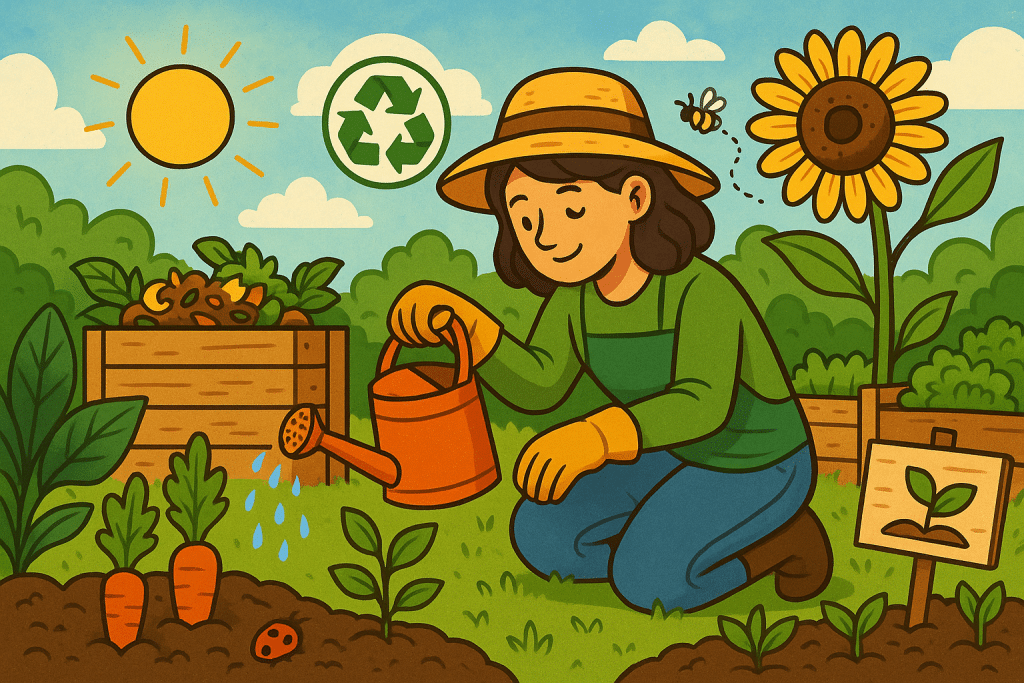
Eco-friendly gardening is no longer a niche trend—it’s rapidly becoming a necessity. With growing awareness of climate change and biodiversity loss, gardeners everywhere are seeking sustainable ways to maintain thriving green spaces. These gardening tips that encourage eco-friendly practices will help you reduce waste, save money, and support the planet.
Why Eco-Friendly Gardening Matters
Traditional gardening often relies on chemical fertilizers, pesticides, and heavy water use. While effective in the short term, these methods degrade soil health, contaminate waterways, and harm pollinators. Eco-friendly gardening provides a sustainable alternative, aligning your gardening passion with the planet’s needs.
According to the Environmental Protection Agency (EPA), synthetic pesticides and fertilizers are a leading cause of water pollution in U.S. rivers and lakes (EPA 2023). Choosing greener methods reduces environmental impact while also creating healthier outdoor spaces.
1. Composting: Turn Waste into Gold
One of the simplest and most impactful sustainable gardening tips is composting. Instead of throwing away food scraps and yard waste, compost them to create rich, organic fertilizer.
- What to compost: fruit peels, coffee grounds, eggshells, leaves, and grass clippings.
- Avoid composting: meat, dairy, and oily foods, which attract pests.
Not only does compost reduce landfill waste, but it also restores essential nutrients to the soil. Studies show that compost improves soil structure, increases water retention, and enhances crop yields (United States Department of Agriculture 2022).
2. Choose Native and Pollinator-Friendly Plants
Native plants are naturally adapted to your local climate and soil. They require less water, resist pests better, and provide food and shelter for local wildlife.
Adding pollinator-friendly flowers—such as lavender, coneflowers, and milkweed—supports declining bee and butterfly populations. The Xerces Society highlights that pollinator-friendly gardens significantly increase biodiversity in urban and suburban environments (Xerces Society 2021).
Pro tip: Group similar plants together to create “pollinator corridors” that maximize habitat benefits.
3. Ditch Chemical Fertilizers and Pesticides
Chemical pesticides kill not only pests but also beneficial insects like bees and ladybugs. Instead, try natural pest control:
- Neem oil sprays for aphids.
- Companion planting (e.g., marigolds to deter nematodes).
- Beneficial insects like ladybugs or praying mantises.
For fertilization, switch to organic alternatives like seaweed extract, bone meal, or homemade compost tea. Organic fertilizers break down slowly, releasing nutrients over time and improving soil health.
4. Collect Rainwater and Reduce Water Waste
Freshwater scarcity is a growing concern worldwide, and gardens often use large volumes of water. Collecting rainwater in barrels or cisterns is an easy way to reduce reliance on municipal supplies.
Other water-saving techniques include:
- Installing drip irrigation instead of sprinklers.
- Mulching around plants to retain soil moisture.
- Watering early in the morning or late evening to reduce evaporation.
Research indicates that drip irrigation uses up to 50% less water than traditional sprinklers while improving plant health (Food and Agriculture Organization 2020).
5. Mulch for Soil Health and Weed Control
Mulching is more than just aesthetic—it’s one of the best gardening tips that encourage eco-friendly practices. Organic mulch (straw, shredded leaves, wood chips) regulates soil temperature, retains moisture, and prevents weeds from spreading.
Over time, organic mulch breaks down, adding valuable nutrients back into the soil. This cycle mimics natural forest floors, creating a self-sustaining garden ecosystem.
6. Grow Your Own Food
Few things are more rewarding—and eco-friendly—than growing your own fruits, vegetables, and herbs. By doing so, you cut down on food miles, reduce packaging waste, and enjoy fresher produce.
Some beginner-friendly crops include:
- Tomatoes
- Leafy greens (spinach, lettuce, kale)
- Herbs (basil, parsley, mint)
- Root vegetables (carrots, radishes)
Even if space is limited, container gardening and vertical gardening systems allow you to grow food on balconies or patios.
7. Use Recycled and Repurposed Materials
Eco-friendly gardening isn’t just about plants. It’s also about what you use to build and maintain your space. Every item you repurpose reduces the demand for new materials and keeps waste out of landfills. Plus, repurposed items often add a quirky charm that brand-new store-bought tools just can’t match.
Here are some creative ways to reuse everyday items in your garden:
- Old pallets as vertical planters – Sand them down, add some soil pockets, and you have a low-cost wall of greenery that works perfectly for herbs, flowers, or strawberries.
- Glass jars as seed starters – Instead of tossing empty jam or sauce jars, line them up on a sunny windowsill and watch your seedlings sprout. They’re clear, so you’ll see root growth too.
- Broken ceramics as mulch or markers – Cracked plates or mugs don’t need to go in the trash. Smash them into smaller pieces for decorative mulch or use larger shards as plant labels.
- Plastic bottles for irrigation – Poke a few holes in the cap, bury the bottle next to your plants, and fill it with water. It will slowly release moisture right where roots need it most.
- Tin cans as planters – Paint them for a pop of color and use them to grow small herbs or flowers on your balcony or patio.
By rethinking waste this way, you cut costs, reduce clutter, and make your garden truly one-of-a-kind. It becomes less about how much you can buy and more about how creatively you can reuse what you already have.
8. Support Soil Health with Cover Crops
Soil health is the foundation of eco-friendly gardening. Planting cover crops like clover, rye, or vetch during the off-season prevents erosion, suppresses weeds, and naturally restores nitrogen.
Cover crops also promote beneficial microbial activity in the soil. Healthy soil, in turn, supports healthier plants without the need for excessive fertilizer.
9. Create Wildlife Habitats
Your garden can be a sanctuary for more than plants. Adding features like bird baths, bee hotels, and log piles provides shelter and resources for wildlife.
Even small urban gardens can attract pollinators, birds, and beneficial insects. This creates a balanced ecosystem where nature itself helps manage pests and pollination.
10. Reduce Carbon Footprint with Smart Gardening Tools
Traditional gas-powered lawnmowers and trimmers release harmful emissions. Switching to electric or manual tools dramatically lowers your garden’s carbon footprint.
Additionally, consider solar-powered lights and water pumps to reduce energy use further. Many of these technologies have become more affordable and widely available in recent years.
Final Thoughts
Eco-friendly gardening is more than just a passing trend—it’s a powerful way to align personal habits with global sustainability goals. By composting, planting natives, reducing chemical use, saving water, and supporting biodiversity, you can transform your outdoor space into a climate-friendly sanctuary.
These gardening tips that encourage eco-friendly practices are not just better for the planet—they also save money, reduce waste, and create healthier, more resilient gardens.
References
- Environmental Protection Agency (2023) Sustainable Management of Materials in the Garden. Available at: https://www.epa.gov/recycle/ (Accessed: 23 September 2025).
- Royal Horticultural Society (2022) Water-Saving Gardening Tips. Available at: https://www.rhs.org.uk/advice/profile?pid=981 (Accessed: 23 September 2025).
- United Nations Environment Programme (2021) Ecosystem Restoration in Urban Gardens. Available at: https://www.unep.org/resources/report (Accessed: 23 September 2025).

 Smart Home Solutions That Save Time and Energy