Gardening Tips That Support Biodiversity
Giulia Bianchi September 22, 2025
Gardening tips that support biodiversity are more important than ever, and two emerging trends—meadowscaping and conservation gardening—are leading the way. If you want your garden to be more than just pretty—to become a refuge for pollinators, soil microbes, and native wildlife—this article is for you.
What’s Changing in Biodiversity-Friendly Gardening
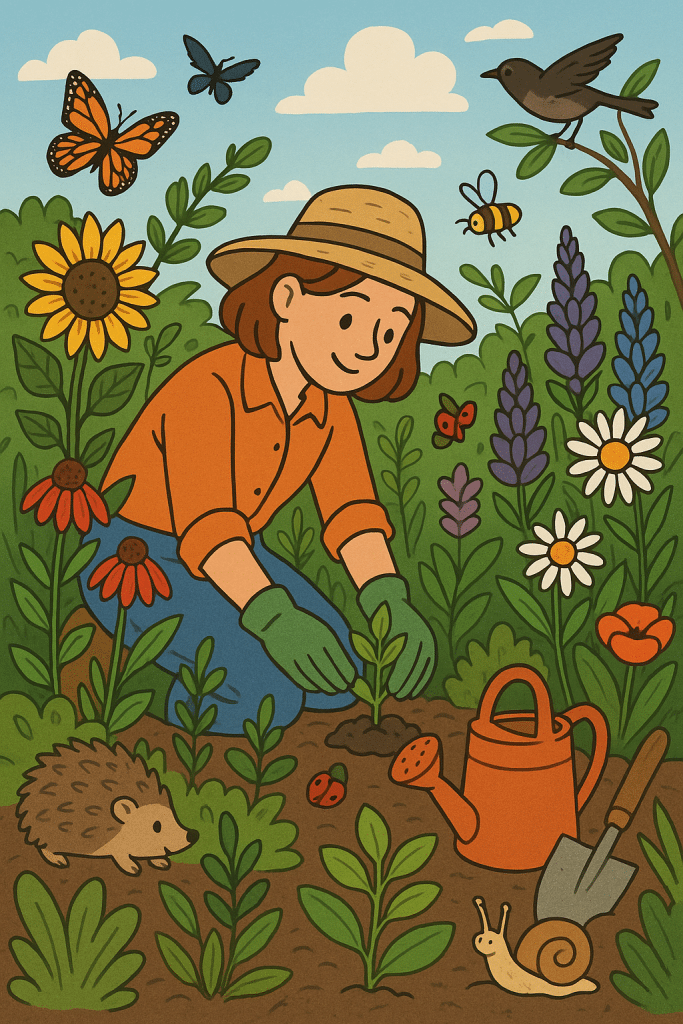
Gardening is shifting from neat lawns and uniform flowerbeds toward designs that invite complexity, habitat, and ecological function. Among the hot current trends:
- Meadowscaping: letting parts of the garden grow wild with native grasses and wildflowers, reducing lawn area.
- Conservation gardening: using native and red-listed plant species adapted to local conditions, doing away with overly ornamental but ecologically disconnected plants.
- Replacing traditional bedding plants with eco-friendly options, i.e. plants that support pollinators, require less maintenance, less harmful substrates (peat-free), etc.
These shifts respond to biodiversity loss, climate change, concern over pollinator declines, and soil degradation.
Key Gardening Tips That Support Biodiversity
Here are practical tips to adopt these emerging trends while supporting biodiversity, whether you have a large yard, small garden, or even just containers.
1. Adopt Meadowscaping: Let Nature Back In
Meadowscaping involves allowing certain parts of the garden to grow with native wildflowers and grasses, often in “zones” rather than full wilderness. Key steps:
- Designate one or more meadow zones: Choose areas that are less trafficked or where grass care is difficult.
- Select local native seed mixes: Wildflowers + grasses suited to your climate. Native species tend to support more insects and wildlife.
- Timing of planting: Early autumn or early spring often work best since temperature and rainfall support germination.
- Manage carefully in early years: Mow or cut back once per year (often in late winter/early spring) to prevent woody plants taking over. After establishment, maintenance drops.
Benefits:
- Provides nectar, pollen, shelter for bees, butterflies, other insects.
- Reduces water usage vs. high-maintenance lawns.
- Supports soil health by allowing deeper root systems.
2. Use Conservation Gardening Practices
Conservation gardening focuses on planting species that are native and often under threat, adapting to local conditions, and making gardens act as refuges or stepping stones in ecological networks. Tips include:
- Learn about plants native to your region, especially those on local conservation or red lists. Seek species that are drought tolerant, pest resistant, and able to survive local soil and climate. Research in Germany found many red-listed plants are amenable to gardening; 41 % of the local red-listed species were usable in home gardens, and 66 % of those were already commercially available.
- Layer plant structures: trees (where possible), shrubs, ground cover, wildflowers. Different layers support birds (nesting), insects, soil organisms.
- Bloom and seed timing: select species that flower and seed at different times of year so that resources (pollen, nectar, food) are available year-round.
- Reduce chemical inputs: avoid or minimize pesticides, herbicides, synthetic fertilizers. Soil health, microfauna, pollinators etc., are harmed by high chemical usage. Composting, mulching, organic amendments help.
3. Replace Traditional Lawns & Bedding with Eco Alternatives
Lawns are often resource-heavy and low in biodiversity. Swapping lawn for richer plantings has become a visible trend.
- Clover lawns or mixed grass + wildflower lawns: These reduce mowing, water, and can support pollinators.
- Edible perennials instead of bedding plants: Perennials that yield food while providing structure and habitat. Examples include berry bushes, herbs, perennial vegetables. They often live longer, need less re-planting, and support wildlife.
- Peat-free and sustainable potting mixes: Traditional bedding plants often use peat, which harms peat bog carbon sinks. Eco-friendly soils and composts are preferable.
4. Create Habitat Features
To truly support biodiversity, the garden needs more than plants. Features that provide water, shelter, nesting or overwintering spots are essential.
- Water sources: small ponds, bird baths, shallow dishes for insects and birds.
- Bee houses, butterfly houses or simply leaving stems & dried seed heads in place through winter.
- Logs, stones, leaf litter: ground cover and organic debris provide shelter for insects, amphibians, and soil organisms.
- Wild corridors: connecting patches of habitat (trees, hedges, shrubs) even small ones help wildlife move safely.
5. Sustainable Maintenance & Planning
Long-term biodiversity requires thoughtful ongoing care and planning.
| Principle | What to Do |
|---|---|
| Soil health first | Test soil, improve organic content with compost, avoid tilling too deeply. Healthy soil supports microbes and fungi essential for many plants. |
| Water wisely | Use mulch, choose drought tolerant natives, collect rainwater, reduce irrigation where possible. |
| Monitor and adapt | Observe which plants thrive, which pests appear, adjust plant choices accordingly. Be ready to shift species or locations. |
| Plan for seasonality | Ensure some plants bloom in colder months; seeds/seeding species for next year; evergreens or shrubs that provide winter food or shelter. |
Why These Trends Are Emerging Now
Understanding why gardeners worldwide are embracing these practices helps us see how they’ll evolve.
- Climate change & pollinator decline: Scientists have documented decreasing insect abundance, loss of specialized pollinators, habitat fragmentation. Home gardens and urban gardens are being seen more as key fronts in that fight.
- Desire for lower maintenance / cost reduction: Lawns, bedding plants, regular pesticides all involve labor, cost, water. Meadowscaping and conservation gardening often reduce long-term maintenance and external inputs.
- Consumer / societal pressure & regulation: Organizations like the Royal Horticultural Society are recommending more eco-friendly alternatives. Local regulations may also start rewarding biodiversity (e.g. ecological certifications, green infrastructure, sponge city planning).
Example Garden Plan: Putting It All Together
Here’s a sample plan to apply gardening tips that support biodiversity in a home backyard (can adapt for small or container gardens too).
- Map your garden: identify which areas get sun, shade, moisture. Pick two zones for meadowscaping (e.g. a rear lawn corner, a side border).
- Select plants: find native wildflowers that bloom in early, mid, and late season; grasses that tolerate your soil; shrubs/trees for structure.
- Set up habitat features: install a small pond or water container; leave a corner with logs or leaf litter; build or buy a bee hotel.
- Replace part of lawn: sow clover + wildflower mix; edge with edible perennials.
- Use organic soil amendments: compost, mulch, avoid peat; reduce synthetic inputs.
- Plan maintenance schedule: maybe once a year mow (for meadow zone), prune shrubs, replace or add plants that underperform; collect seeds for next season.
Conclusion
Gardening tips that support biodiversity are shifting from optional “nice-to-haves” into essential practices for anyone who cares about climate, pollinators, soil health, and resilient ecosystems. Meadowscaping and conservation gardening are not just trends—they are ways to transform our green spaces into vibrant ecosystems. With thoughtful plant selection, habitat creation, and sustainable maintenance, any garden can make a real difference.
References
- Royal Horticultural Society (2022) Wildlife gardening: How to encourage biodiversity in your garden. Available at: https://www.rhs.org.uk/ (Accessed: 21 September 2025).
- United Nations Environment Programme (2021) Why biodiversity matters for our gardens. Available at: https://www.unep.org/news-and-stories/story (Accessed: 21 September 2025).
- National Wildlife Federation (2023) Native plants and biodiversity: Creating backyard habitats. Available at: https://www.nwf.org/Garden-for-Wildlife (Accessed: 21 September 2025).

 Steps to Launch a Successful Startup