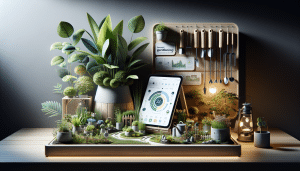
Interior Design Ideas That Enhance Comfort
Giulia Bianchi October 2, 2025
In today’s fast-paced world, comfort is becoming a central goal—not just aesthetic—in interior design. Interior design ideas that enhance comfort are shifting to strategies that respond to human needs: thermal comfort, natural connection, adaptive lighting, and sensory balance. Let’s look at emerging trends and practical ideas to help your home truly feel like a sanctuary.
Why Comfort Is Now a Design Priority
Designers increasingly recognize that a home must offer psychological ease as much as visual appeal. Comfort-centric design addresses stress, sleep quality, and daily wellbeing. A recent experimental study found that biophilic design features—natural light, greenery, ventilation—can measurably reduce physiological stress (skin conductance, blood pressure) compared to spaces without those elements. In other words, interior spaces that care for you at a physiological level are rising in importance.
Additionally, 2025 design forecasts highlight casual, enveloping furniture, warm earthy palettes, and layered textures as vital components in comfort-forward interiors. These trends reflect a push toward homes that feel soothing, safe, and responsive—not static showrooms.
Here are focal strategies and ideas to bring comfort to the center of your home design.
Biophilic Design: Bringing Nature Inside
Why it works
Biophilic design connects people with nature, improving mood, attention, and comfort. It goes beyond just houseplants—it integrates daylight, airflow, organic forms, natural materials, and visual access to greenery, all tuned to human senses.
Practical ideas
- Maximize window size and placement for daylight and views
- Use living walls or planters integrated into furniture
- Choose wood, stone, clay, and woven textures over synthetic surfaces
- Incorporate nature-inspired patterns or fractal motifs subtly on surfaces
Applying biophilic principles is one of the most powerful interior design ideas that enhance comfort because it aligns built spaces with natural human preferences.
Adaptive Lighting & Circadian Support
Lighting is no longer just decorative—it’s therapeutic. Designers now incorporate tunable LEDs and daylight-matching systems that adjust hue and intensity over the day to support circadian rhythm. These systems reduce eye fatigue, improve sleep quality, and help interiors feel more comfortable across hours.
Layering multiple lighting types (ambient, task, accent) is essential. Use dimmers, indirect sources, and warmer tones in the evening. Employ daylight sensors or smart controls so lighting responds to your presence or time of day.
Thermal Comfort Through Smart Systems
Thermal comfort is central to feeling at ease indoors. Emerging systems now shift from fixed thermostat control to personalized models that adapt to the individual in the space. A recent study proposed “Humans-in-the-Building” control systems that learn occupant preferences and dynamically adjust indoor temperature ranges.
Pair such systems with passive strategies:
- Insulation, double glazing, and well-sealed windows
- Thermal mass (tile, masonry) to absorb and release heat
- Ceiling fans or subtle air movement to prevent stagnation
- Zoning your HVAC so microclimates are possible
Together, these techniques make comfort more responsive and less energy-wasteful.
Texture, Layering & Soft Surfaces
Comfort in a room is felt as much as seen. 2025 trends emphasize “casual comfort” furniture—soft, deep seating, rounded edges, plush upholstery, and tactile fabrics. Layering layers—throws, rugs, cushions—creates warmth, sound dampening, and visual depth. Use natural fabrics (linen, cotton, wool) where possible, as they feel more breathable and shift with temperature.
Consider transitions: place a textured rug at a hardwood-floor threshold, wrap edges of furniture with soft wraps, and use drapes or curtains that absorb sound to reduce echo.
Zoning & Refuge Spaces
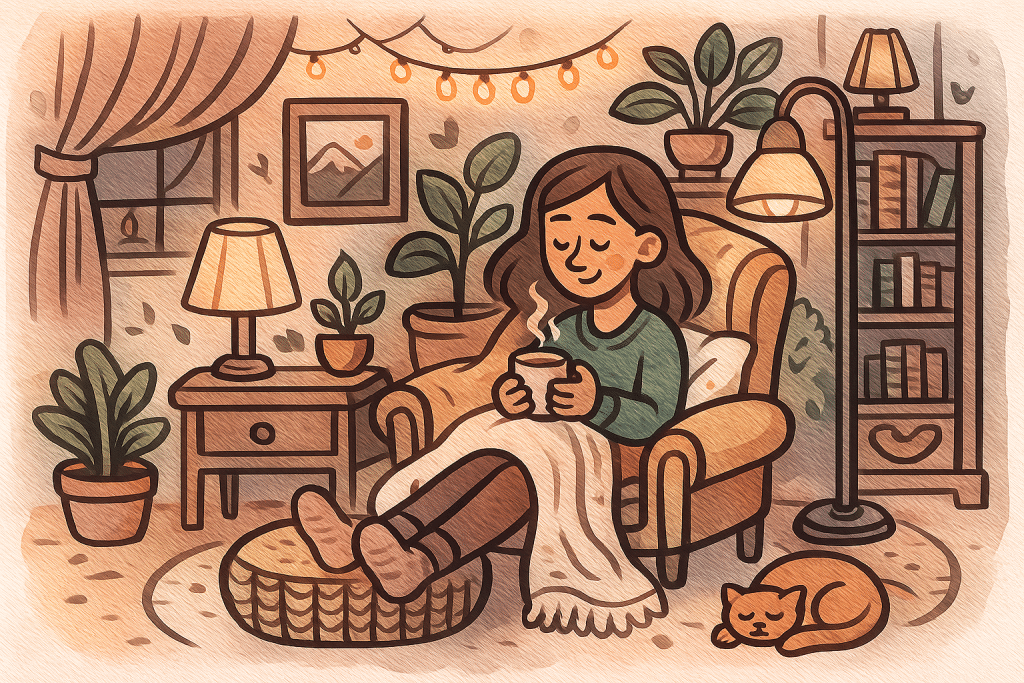
Comfort often means having both open zones for socializing and cozy nooks for retreat. Creating refuge spaces—corners or alcoves with subdued light and plush seating—gives a psychological sense of sanctuary. Blend openness with pockets of privacy by arranging furniture to define zones.
Use flexible dividers (screens, curtains, shelving) and modular layouts so spaces adapt to function and mood. This dynamic zoning is a key thread in interior design ideas that enhance comfort, because it allows rooms to respond to how you feel or want to use them.
Sensory Balance & Acoustics
Comfort is multi-sensory. Designers are paying more attention to acoustics, scent, and texture. Soft rugs, acoustic panels, and heavy drapery help absorb sound, reducing echo and creating calmer environments. Light background scent (via natural sources like herbs or essential oils) and the strategic use of textures (smooth wood, soft fabrics) appeal to the touch.
Art, lighting, and surfaces should avoid overly sharp contrasts or glare. Harmonious color palettes—especially warm neutrals and earth tones—help reduce visual fatigue.
Example Layout: Comfort-Driven Living Room (Step by Step)
- Begin with daylight: place seating to benefit from window views.
- Layer lighting: overhead diffused light, side lamps, and adjustable task lights.
- Position your main seating on a plush rug with a low coffee table for proximity.
- Add a nesting chair or nook with soft upholstery and a side table (as refuge).
- Integrate greenery: potted palms, trailing vines, or a corner floor planter.
- Use zoned HVAC and soft airflow to maintain thermal ease.
- Use acoustic panels or rugs to dampen sound, and finish with layered textiles.
This layout balances openness, intimacy, sensory softness, and climate control to deliver a space that feels restful and responsive.
Challenges and Trade-Offs
- Smart systems and tunable lighting raise cost and require maintenance
- Biophilic features demand upkeep (watering, pruning, light balance)
- Balancing open flow and refuge zones can be tricky in smaller rooms
- Overuse of soft surfaces can reduce durability or make cleaning tougher
Final Thoughts
Comfort is no longer simply an afterthought in interior design—it’s becoming the central organizing principle. From biophilic integration and adaptive lighting to thermal control, layering, and refuge zones, interior design ideas that enhance comfort are evolving to respond to how we feel, not just how spaces look. Adopting even a few of these strategies can turn your home from a collection of rooms into a responsive, human-centered haven.
References
Decorilla. (2025). Interior Design Trends 2025. Available at: https://www.decorilla.com/online-decorating/interior-design-trends-2025/ (Accessed: 1 October 2025).
CHD Interiors. (2025). 10 Interior Design Trends 2025 is Bringing into Focus. Available at: https://www.chdinteriors.com/10-interior-design-trends-2025-is-bringing-into-focus/ (Accessed: 1 October 2025).
HLM Architects. (2024). Biophilic Design in Interior Spaces: A Pathway to Wellbeing and Resilience. Available at: https://hlmarchitects.com/biophilic-design-in-interior-spaces-a-pathway-to-wellbeing-and-resilience/ (Accessed: 1 October 2025).

 How Digital Marketing Drives Startup Success