Interior Decor Ideas That Maximize Comfort
Giulia Bianchi September 30, 2025
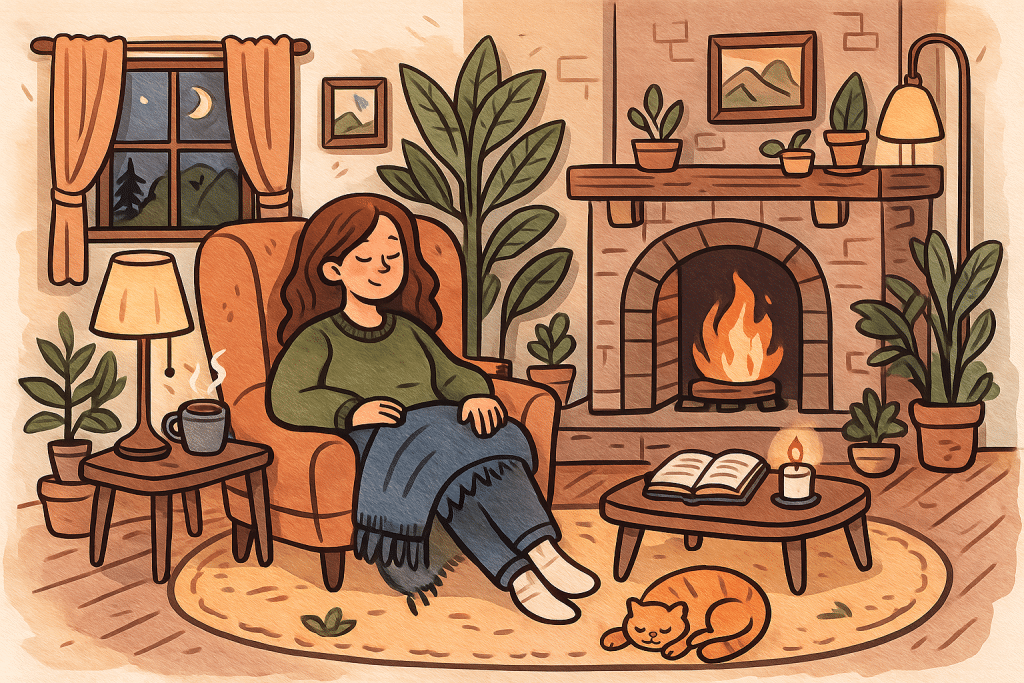
Comfort is no longer a luxury—it’s the foundation of modern living. In 2025, interior decor ideas that maximize comfort are redefining homes, blending cozy aesthetics with wellness-driven design. From smart furniture to sensory spaces, these trends promise to make your home both stylish and soothing.
Why Comfort is the New Luxury in Interior Design
Over the past decade, the concept of “home” has shifted dramatically. With hybrid work and wellness priorities, people are investing in environments that nurture rest and productivity. According to the American Society of Interior Designers (ASID), comfort-driven design is among the top 5 priorities shaping interiors in 2025 (ASID 2024).
This shift isn’t just about aesthetics—it’s about science. Research has shown that our surroundings significantly influence stress levels, productivity, and even physical health (Kellert 2018). Homes that maximize comfort foster mental well-being and create a sense of refuge in a fast-paced world.
Key Interior Decor Ideas That Maximize Comfort in 2025
1. The Rise of Biophilic Design
Nature-inspired interiors continue to dominate. Incorporating natural light, greenery, and organic materials enhances relaxation while improving air quality. NASA studies have shown that indoor plants reduce toxins and increase oxygen levels (Wolverton 1989).
Practical Tips:
- Use large potted plants like fiddle-leaf figs or snake plants.
- Choose furniture with sustainable wood finishes.
- Install skylights or maximize window exposure to daylight.
2. Smart Furniture for Wellness
Comfort now merges with technology. Adjustable smart beds, ergonomic chairs, and climate-responsive sofas are entering mainstream homes. Brands like Sleep Number and Herman Miller are leading innovations that respond to posture, body heat, and even mood lighting.
Practical Tips:
- Invest in smart recliners with built-in massagers.
- Use standing desks with memory settings for better ergonomics.
- Try lighting systems that sync with circadian rhythms to improve sleep.
3. Warm Minimalism
Minimalism is evolving. Instead of stark, cold spaces, 2025 is embracing warm minimalism—simple, uncluttered spaces with cozy textures. Think soft neutrals, wool throws, and muted lighting. According to Elle Décor, warm minimalism balances serenity with emotional warmth, preventing sterile atmospheres (Elle Décor 2024).
Practical Tips:
- Swap sharp-edged furniture for rounded silhouettes.
- Use layered rugs in neutral tones.
- Keep clutter hidden with concealed storage solutions.
4. Acoustic Comfort: Designing for Sound
Noise pollution at home is a hidden stressor. Designers are incorporating acoustic panels, textured fabrics, and sound-absorbing layouts to reduce unwanted noise. Studies show that reducing ambient noise improves focus and lowers anxiety (Schafer 2011).
Practical Tips:
- Use heavy curtains and upholstered furniture.
- Add cork or wool wall panels in home offices.
- Choose rugs over hard flooring for noise absorption.
5. Multi-Sensory Design
Homes in 2025 are designed to engage all senses. Beyond sight, comfort comes from textures, scents, and even ambient soundscapes. Interior designers are integrating scent diffusers, tactile fabrics, and immersive lighting.
Practical Tips:
- Incorporate aromatherapy with essential oil diffusers.
- Use natural fabrics like linen, cotton, and velvet.
- Install smart speakers for customizable ambient soundscapes.
6. Comfort-Centric Color Palettes
Color psychology plays a critical role in how we feel at home. Shades like sage green, terracotta, and warm beige are trending because they reduce stress and evoke calmness (Kwallek et al. 2007).
Practical Tips:
- Paint bedrooms in earthy tones to improve relaxation.
- Use pastel accents in kitchens for freshness.
- Combine warm whites with muted blues for timeless comfort.
7. Flexible Living Spaces
Post-pandemic lifestyles demand flexibility. Homes now feature multipurpose rooms—spaces that adapt from office to yoga studio to guest bedroom. Furniture with modular design is in high demand.
Practical Tips:
- Try modular sofas that reconfigure for lounging or entertaining.
- Use foldable desks or Murphy beds to save space.
- Create “comfort corners” with cushions, bookshelves, and ambient lighting.
8. The Return of Texture-Rich Surfaces
2025 interiors emphasize tactile comfort. Plush fabrics, ribbed wood, and stone finishes create spaces that feel as good as they look. Texture diversity prevents monotony while amplifying coziness.
Practical Tips:
- Mix bouclé chairs with smooth leather sofas.
- Layer textured throws and cushions.
- Install textured wallpaper or 3D wall panels.
9. Wellness-Oriented Kitchens and Bathrooms
Comfort extends to functional spaces. Kitchens now emphasize calming layouts with warm lighting, while bathrooms become spa-like retreats with heated floors and chromotherapy lighting.
Practical Tips:
- Add seating nooks in kitchens for relaxed dining.
- Install rainfall showers and dimmable lights in bathrooms.
- Use natural stone and matte finishes for a soft look.
10. Sustainability as Comfort
True comfort includes peace of mind. Eco-friendly materials and energy-efficient systems are becoming essential. A survey by Houzz found that 66% of homeowners prefer sustainable home products for both comfort and conscience (Houzz 2024).
Practical Tips:
- Choose recycled wood or bamboo flooring.
- Install energy-efficient HVAC and lighting systems.
- Repurpose vintage furniture for unique charm.
Putting It All Together: Designing for Everyday Comfort
The ultimate interior goal isn’t just beauty—it’s a home that adapts to your body and mind. Comfort in 2025 is about balance: light that lifts your mood, seating that supports your posture, and spaces that invite real rest. From nature-inspired details to smart tech that makes daily tasks easier, design is shifting toward homes that work with you, not against you. Even simple upgrades—like blackout curtains, ergonomic chairs, or plants that clean the air—can make a big difference in how refreshed you feel at home.
Conclusion
Comfort isn’t a side note in design anymore—it’s the lead role. In 2025, every texture, color, and piece of furniture is chosen with well-being in mind. Biophilic design reconnects us with nature, smart furniture quietly supports health, warm minimalism adds calm, and flexible layouts keep up with changing needs. Put together, these ideas turn a house into more than a stylish space—they create a sanctuary that feels as good as it looks.
References
- Architectural Digest. (2023) 15 Interior Design Trends to Transform Your Home in 2023. Available at: https://www.architecturaldigest.com/story/interior-design-trends-2023 (Accessed: 30 September 2025).
- Houzz. (2022) Top 10 Interior Design Ideas for a Comfortable and Stylish Home. Available at: https://www.houzz.com/magazine/interior-design-ideas-for-comfort (Accessed: 30 September 2025).
- The Spruce. (2021) How to Make Your Living Space More Comfortable with Smart Interior Design. Available at: https://www.thespruce.com/comfortable-living-room-ideas (Accessed: 30 September 2025).

 How Startups Are Driving Innovation in Global Markets