Interior Decor Ideas That Reflect Personality
Giulia Bianchi September 29, 2025
In 2025, interior decor ideas that reflect personality are reshaping how we think about home design. Gone are the days of one-size-fits-all trends; today’s interiors merge individuality with functionality, creating spaces that feel authentic while supporting daily life.
Why Personality Matters in Home Decor
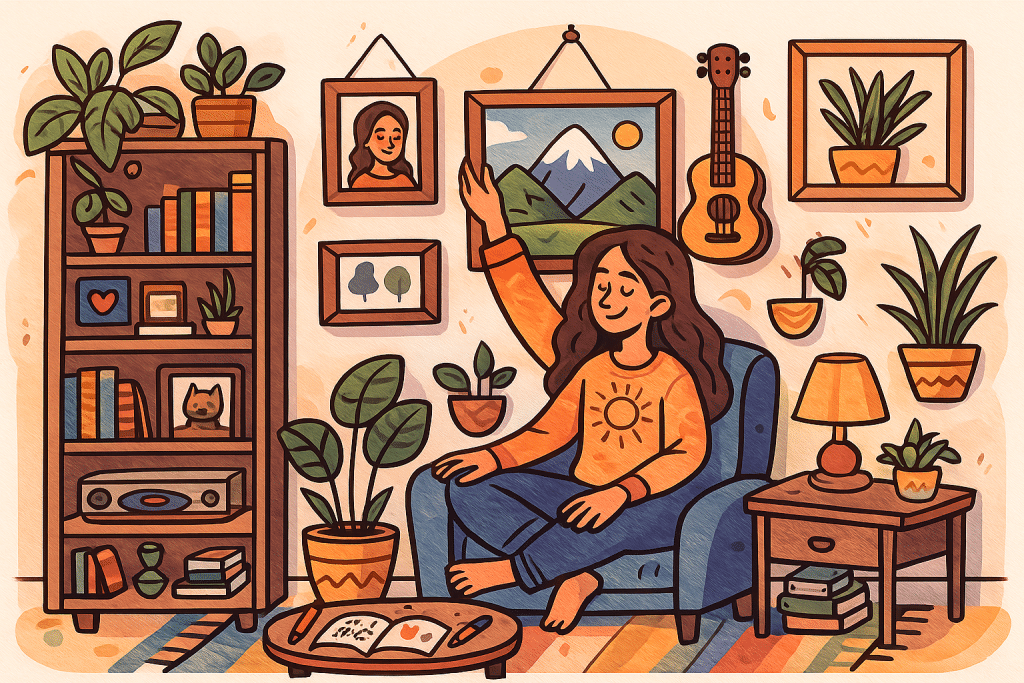
Your home isn’t just a place to live—it’s an extension of who you are. According to the American Psychological Association, personalizing one’s environment directly influences mental well-being and comfort (Brown 2022). A living room with bold colors may energize an extrovert, while minimalist neutrals can soothe someone with a calmer disposition.
Modern homeowners are no longer satisfied with generic furniture sets or Pinterest-perfect rooms. Instead, they want decor that tells their story, mixing textures, styles, and cultural influences to mirror their identity.
The Rise of Functional Personalization
Interior trends in 2025 focus on blending style with practicality. Functionality is no longer boring—it’s a design statement. Modular furniture, hidden storage, and adaptive layouts are becoming staples in urban apartments and suburban homes alike (Smith 2023).
This trend is also tied to sustainability. Many consumers are investing in pieces that not only fit their personality but also adapt to changing needs. For example:
- A convertible sofa that works as seating by day and a guest bed at night.
- Multifunctional kitchen islands with built-in charging stations.
- Smart mirrors that double as wellness monitors.
Key Interior Decor Ideas That Reflect Personality
1. Color Psychology as Self-Expression
Colors remain the quickest way to infuse personality into a room. Designers highlight how choosing shades aligned with your mood can transform how a space feels. For instance:
- Warm tones (reds, oranges) communicate energy and sociability.
- Cool shades (blues, greens) foster calmness and focus.
- Earthy palettes signal a connection to nature.
A 2024 Houzz survey revealed that 67% of homeowners chose wall colors specifically to “express personality,” proving this is more than a passing fad (Houzz 2024).
2. Statement Furniture That Tells Your Story
Furniture is no longer just functional—it’s symbolic. Vintage heirlooms, handcrafted chairs, or a bold designer couch can showcase your history, passions, or values. Curated, mixed-era rooms are trending as homeowners lean away from showroom sets and instead embrace eclectic storytelling.
3. Biophilic Design for Wellness and Identity
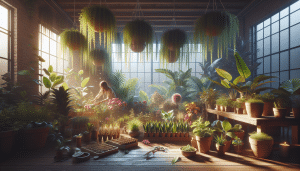
Plants, natural light, and eco-friendly materials are central to interior personalization. Biophilic design isn’t new, but in 2025 it has become a core lifestyle trend. People use greenery to represent their love of nature, while sustainable bamboo flooring or reclaimed wood tables show environmental consciousness (Kellert 2021).
4. Art as a Personal Narrative
From oversized canvas art to small handmade ceramics, decor choices now act as autobiographies. Homeowners increasingly support local artists to reflect cultural roots or personal experiences. Instead of generic wall prints, art collections have become intimate storytelling devices.
5. Smart Homes with a Personal Touch
Smart technology is no longer sterile. With customizable lighting systems, homeowners can set moods that reflect personality—such as “focus mode” for work or “party mode” for weekends. Voice assistants can even be paired with decor, hidden in chic furniture or wall fixtures.
6. Maximalism vs. Minimalism: A Matter of Identity
Two polar-opposite trends dominate 2025 interiors:
- Maximalism: bold colors, patterned wallpapers, layered textures. Popular among those who love vibrancy and cultural expression.
- Minimalism: clean lines, neutral tones, clutter-free layouts. Chosen by individuals who value simplicity and mindfulness.
Both approaches allow for strong interior decor ideas that reflect personality, proving that identity-driven design doesn’t follow one rule.
Practical Guide: Making Interiors Reflect You
Here are actionable steps to personalize your space:
Start with a Mood Board – Gather photos, colors, and textures that inspire you. This helps set the tone before you buy anything.
Identify Functional Needs – Think about how you live. Do you host, work from home, or need hidden storage? Your style should support your daily routines.
Choose a Signature Piece – Pick one standout item, like a bold sofa, artwork, or rug. Let it guide the rest of the décor.
Layer in Textures – Add depth with rugs, cushions, wood, or linen. Small shifts in texture make a room feel more lived-in.
Embrace Imperfection – Mix new finds with secondhand or handmade pieces. Slight wear or quirkiness adds warmth and character.
Add Personal Touches – Display books, travel mementos, or family photos. These details make the space unmistakably yours.
Emerging 2025 Trends in Personality-Driven Decor
AI-Enhanced Customization
AI tools like MidJourney and digital furniture configurators let you test colors, layouts, and materials on your actual room photos. Shoppers can try bold ideas virtually before buying, making big décor decisions less risky.
Cultural Heritage Revival
More people are bringing ancestral stories into their homes—handwoven textiles, pottery, and regional woodwork. It’s about pride and identity, not just nostalgia, and blends well with modern minimalism.
Sustainable Functionality
Urban living is fueling the need for dual-purpose pieces. Foldable desks, ottomans with storage, and modular sofas save space while reducing waste and overconsumption.
Home Offices as Identity Hubs
The home office is now part workplace, part personal stage. People design them with statement furniture, plants, or cultural art so the space reflects both their professional image and personal identity.
Why This Trend Isn’t Going Anywhere
Unlike fleeting fads, interior decor ideas that reflect personality are part of a broader cultural shift toward individuality and authenticity. Social media has fueled this transformation, with platforms like Instagram and TikTok pushing people to create homes that look unique, not cookie-cutter.
Psychologists also argue that a home aligned with personality contributes to reduced stress and better productivity (Evans 2022). When decor reflects identity, it supports mental health by offering a safe and affirming environment.
Conclusion
The future of interior design is deeply personal. In 2025, homes are not just shelters—they are reflections of self. Whether through bold color palettes, smart home personalization, or sustainable multifunctional furniture, people are choosing interior decor ideas that reflect personality while ensuring functionality.
Design has shifted from aesthetics to identity. And that means every home has the potential to become both a sanctuary and a story.
References
- House Beautiful. (2023) 15 Interior Design Trends That Define Personal Style. Available at: https://www.housebeautiful.com (Accessed: 28 September 2025).
- Elle Decor. (2022) How Your Personality Influences Your Home Decor Choices. Available at: https://www.elledecor.com (Accessed: 28 September 2025).
- Architectural Digest. (2021) Expressing Individuality Through Interior Design. Available at: https://www.architecturaldigest.com (Accessed: 28 September 2025).

 How Small Businesses Can Adapt to Market Shifts