Interior Design Ideas That Enhance Productivity
Giulia Bianchi October 6, 2025
In 2025, the way we design our living and working spaces directly influences how we perform. With hybrid work models and home-based learning now common, people are turning to interior design ideas that enhance productivity as a way to balance aesthetics with function. A well-designed space is not just visually appealing—it’s a powerful tool for focus, efficiency, and creativity.
Environmental psychology shows that surroundings impact mood, motivation, and performance. From lighting and layout to materials and colors, every design choice affects the mind and body. By intentionally shaping these elements, we can build spaces that support productivity without sacrificing comfort.
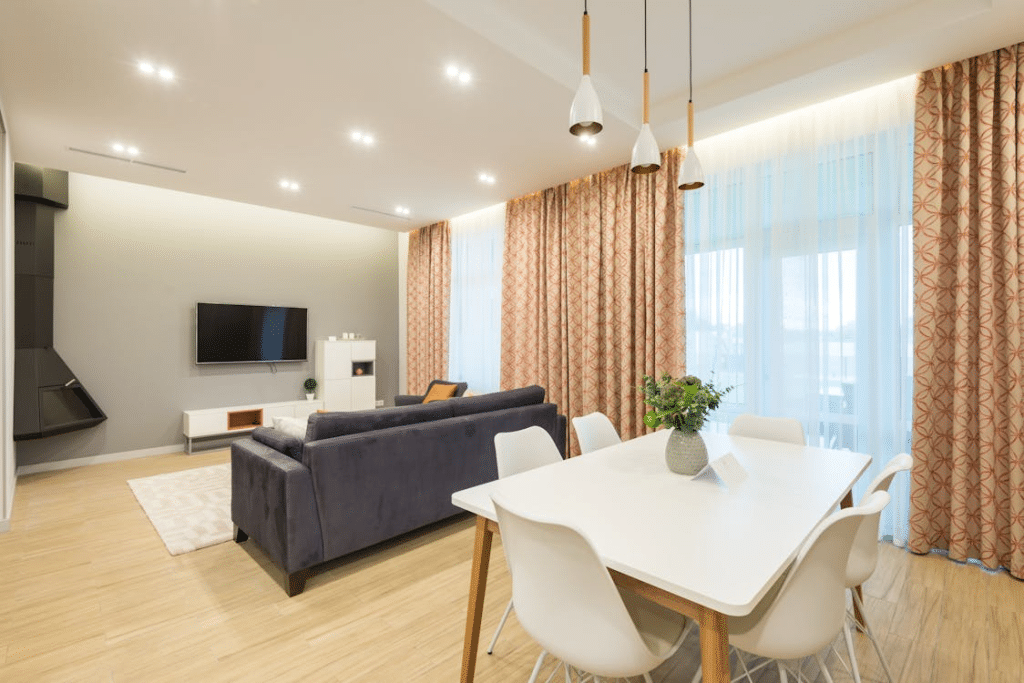
Why Interior Design Influences Productivity
The International WELL Building Institute (2024) notes that indoor environments directly affect cognitive function, with lighting, air quality, and spatial layout among the biggest factors. Poor design leads to distraction, stress, and fatigue, while intentional design reduces cognitive load and supports mental clarity.
With more professionals working remotely and more students relying on home study zones, productivity-centered design is now considered essential.
Interior Design Ideas That Enhance Productivity
1. Optimize Natural Light
Natural light regulates circadian rhythms, boosts mood, and increases alertness. Position desks near windows, use sheer curtains to maximize daylight, and choose reflective surfaces that spread light throughout the room.
2. Choose Productivity-Boosting Colors
Color psychology plays a major role in focus:
- Blue promotes calm and concentration.
- Green reduces stress and supports creativity.
- Yellow stimulates energy and optimism.
Using accent walls, furniture, or artwork can strategically influence performance.
3. Incorporate Biophilic Design
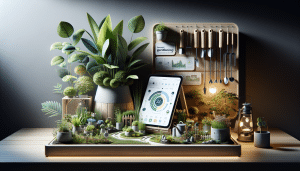
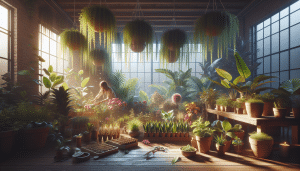
Plants and natural textures enhance air quality and reduce stress. Studies from the University of Exeter (2023) found that adding plants to indoor spaces improved productivity by 15%. Biophilic elements also create a soothing environment that fosters long-term focus.
4. Declutter with Smart Storage
Clutter overwhelms the brain, reducing efficiency. Incorporating shelves, hidden storage, or modular furniture keeps workspaces organized. Minimalism supports mental clarity by removing unnecessary distractions.
5. Invest in Ergonomic Furniture
Ergonomics directly affects comfort and productivity. Adjustable desks, supportive chairs, and monitor stands prevent physical strain, allowing people to maintain focus for longer periods.
6. Use Acoustic Solutions
Noise is a major productivity disruptor. Rugs, acoustic panels, curtains, and even plants can reduce sound reflections. For shared spaces, noise-cancelling devices or partitions add an extra layer of focus support.
7. Zone Your Space
Creating distinct areas for different tasks helps train the brain for focus. For example, a designated desk area for work, a separate zone for relaxation, and a creative corner for brainstorming. Even in small apartments, rugs or screens can define boundaries.
8. Layer Lighting
Overhead lights alone are rarely sufficient. Layering task lighting, ambient lighting, and accent lights ensures flexibility throughout the day. Desk lamps with adjustable brightness are especially effective for reading or detailed work.
9. Integrate Technology Seamlessly
Cable management systems, hidden outlets, and smart devices reduce clutter while supporting efficiency. Smart lighting and climate control allow for personalized comfort settings that adapt to different times of the day.
10. Personalize Your Space
Adding artwork, photos, or meaningful items makes spaces emotionally engaging. When people feel connected to their environment, motivation naturally increases.
Emerging Trends in Productivity-Focused Interior Design
Hybrid Workstations
Multi-functional furniture—like foldable desks, standing workstations, and mobile organizers—reflects the needs of hybrid workers who balance home and office life.
Sustainable Materials
Eco-friendly furniture and non-toxic paints support health, reduce allergies, and contribute to an overall sense of well-being.
Wellness Integration
Wellness-focused design—like air purifiers, aromatherapy diffusers, or meditation corners—is increasingly being included in productivity-driven interiors.
Sensory Balance
Designers are experimenting with tactile materials, natural scents, and even ambient soundscapes to create environments that promote both calm and focus.
Practical Tips for Homeowners
- Start small: rearrange furniture to maximize light and flow.
- Add greenery: even one plant can improve mood and focus.
- Create boundaries: define work areas clearly to avoid blurring with relaxation zones.
- Invest where it counts: prioritize ergonomic furniture over decorative extras.
- Review regularly: adapt design as needs change over time.
Long-Term Benefits of Productivity-Oriented Interiors
Adopting interior design ideas that enhance productivity provides lasting benefits:
- Higher focus and efficiency in daily tasks.
- Reduced stress and improved emotional balance.
- Greater satisfaction with living and working spaces.
- Enhanced creativity and problem-solving.
- Stronger alignment between home environments and lifestyle needs.
Conclusion
In 2025, interior design is more than an aesthetic choice—it is a strategic tool for performance. By applying interior design ideas that enhance productivity, homeowners and professionals can transform ordinary spaces into supportive environments that drive focus, creativity, and well-being.
With thoughtful design choices, our homes and workplaces become not just places to live and work, but environments that actively help us thrive.
References
- International WELL Building Institute. (2024). Indoor environments and productivity. https://www.wellcertified.com
- University of Exeter. (2023). Biophilic design and workplace performance. https://www.exeter.ac.uk
- Forbes. (2024). Interior design ideas for hybrid lifestyles. https://www.forbes.com
- Architectural Digest. (2024). Productivity-driven interior design trends. https://www.architecturaldigest.com
- Houzz. (2024). Storage and organization for small spaces. https://www.houzz.com

 Travel Experiences That Combine Education and Adventure