Interior Design Solutions That Enhance Comfort
Giulia Bianchi October 10, 2025
Comfort at home is more than just a feeling—it is a combination of thoughtful design, functional choices, and personalized touches. In 2025, interior design is evolving to emphasize well-being, practicality, and aesthetic harmony. By focusing on interior design solutions that enhance comfort, homeowners and designers can create spaces that are not only visually appealing but also supportive of relaxation, productivity, and health.
Moreover, comfort in design does not mean sacrificing style. Instead, it reflects the careful balance of furniture, lighting, textures, and technology that turn any living space into a sanctuary.
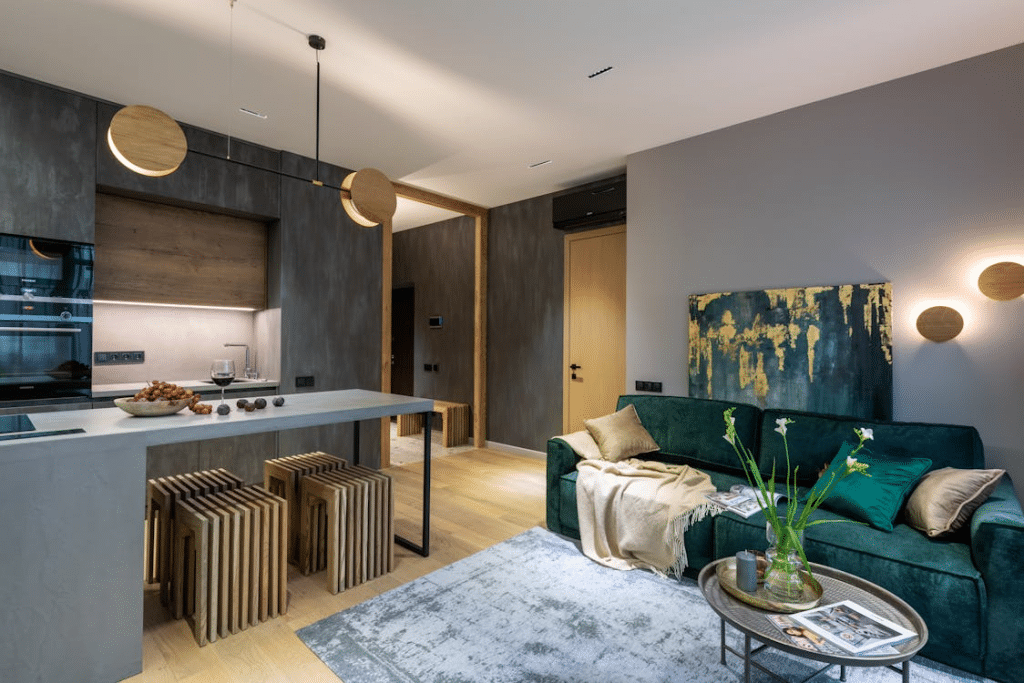
Why Comfort Matters in Interior Design
Comfort directly influences quality of life. A well-designed room reduces stress, improves focus, and encourages social connection. On the other hand, poorly designed environments create clutter, discomfort, and even fatigue.
Key benefits of prioritizing comfort include:
- Improved well-being – Supportive furniture and calming design reduce stress.
- Better productivity – Organized, comfortable spaces help focus and creativity.
- Enhanced social interaction – Inviting interiors encourage family and friends to gather.
- Personal satisfaction – A comfortable home reflects identity and values.
- Long-term functionality – Design choices that prioritize comfort adapt over time.
Therefore, interior design that prioritizes comfort is essential for modern lifestyles.
Interior Design Solutions That Enhance Comfort
1. Ergonomic Furniture Choices
Furniture shapes how people feel in a space.
- Chairs with lumbar support reduce back pain.
- Adjustable desks support both sitting and standing work.
- Sofas with deep cushions encourage relaxation.
As a result, ergonomic furniture improves both comfort and health.
2. Layered Lighting Design
Lighting sets the tone of a room.
- Ambient lighting creates general warmth.
- Task lighting supports reading, cooking, or working.
- Accent lighting highlights décor and architecture.
Consequently, layered lighting adapts to mood and activity.
3. Natural Elements Indoors
Nature adds balance and serenity.
- Houseplants improve air quality and reduce stress.
- Wooden furniture and stone finishes add warmth.
- Natural light reduces fatigue and boosts mood.
Therefore, biophilic design is central to comfort-focused interiors.
4. Smart Home Integration
Technology supports both comfort and convenience.
- Smart thermostats keep temperatures consistent.
- Automated lighting adjusts for time of day.
- Voice assistants simplify entertainment and daily tasks.
Thus, smart integration blends design with efficiency.
5. Textures and Fabrics for Softness
Comfort is tactile as well as visual.
- Plush rugs create cozy gathering spaces.
- Linen and cotton fabrics keep rooms breathable.
- Layered textiles—throws, pillows, curtains—add softness.
As a result, fabrics transform spaces into welcoming environments.
6. Color Psychology in Design
Colors affect emotions profoundly.
- Neutral tones promote calmness and relaxation.
- Warm shades encourage coziness and intimacy.
- Blues and greens create soothing, restful spaces.
Consequently, thoughtful palettes enhance comfort through mood.
7. Functional Storage Solutions
Clutter reduces comfort.
- Built-in cabinets maintain clean aesthetics.
- Hidden storage in furniture maximizes space.
- Open shelving balances function with display.
Therefore, storage design creates order and comfort simultaneously.
8. Personalized Décor Choices
Comfort is also emotional.
- Family photos or meaningful artwork add personal warmth.
- Cultural touches connect to identity and heritage.
- Travel souvenirs add authenticity to décor.
As a result, personalization transforms houses into homes.
9. Flexible and Multi-Purpose Spaces
Modern living demands adaptability.
- Folding walls create flexible room layouts.
- Convertible furniture supports different needs.
- Multi-use rooms allow both work and leisure.
Therefore, flexibility ensures comfort in evolving lifestyles.
10. Acoustics and Quiet Design
Sound influences how spaces feel.
- Rugs, curtains, and panels absorb noise.
- Layouts reduce echoes in open-plan areas.
- Quiet appliances minimize background stress.
Consequently, acoustic design ensures calm and comfort.
Practical Daily Habits for Comfort at Home
- Declutter for 10 minutes daily to maintain calm.
- Open windows each morning for fresh air.
- Adjust lighting to match natural rhythms.
- Rearrange seating for comfort and flow.
- Add seasonal elements like cozy blankets or fresh flowers.
These habits extend design choices into daily living.
Interior Design Trends in 2025
Comfort-focused interiors are shaped by several new trends:
- Sustainable materials like bamboo and recycled fabrics.
- Hybrid spaces blending work, rest, and leisure.
- Wellness-focused layouts that incorporate air quality and natural light.
- Minimalist luxury with fewer but higher-quality pieces.
- AI-powered design tools offering personalized layouts.
These trends highlight the growing focus on design that enhances lifestyle comfort.
The Bottom Line
Comfort is more than aesthetics—it is the foundation of a functional and welcoming home. By adopting interior design solutions that enhance comfort, individuals can transform their living spaces into supportive environments that reduce stress, improve focus, and nurture well-being.
In conclusion, design choices that combine ergonomics, natural elements, and personalization create homes where people not only live but truly thrive.
References
- Architectural Digest. (2025). Interior design solutions for comfort-focused homes. Retrieved from https://www.architecturaldigest.com
- House Beautiful. (2024). How design choices enhance comfort and well-being. Retrieved from https://www.housebeautiful.com
- Elle Décor. (2025). Latest trends in creating cozy and functional interiors. Retrieved from https://www.elledecor.com

 Fitness Routines That Improve Mental Clarity