Interior Design Solutions That Maximize Natural Light
Giulia Bianchi September 22, 2025
Natural light is one of the most important elements in interior design, enhancing mood, visual appeal, and energy efficiency. Interior design solutions that maximize natural light focus on architectural features, furniture placement, and decor choices to allow sunlight to permeate living spaces effectively. By optimizing natural light, homeowners can create welcoming, functional, and aesthetically pleasing environments.
This article explores practical strategies for maximizing natural light in homes, including window optimization, reflective surfaces, color choices, and smart furniture arrangements. These solutions are designed to improve ambiance, well-being, and energy efficiency.
1. Optimize Window Placement and Size
The foundation of maximizing natural light is effective window design.
- Install larger windows or floor-to-ceiling panels to increase sunlight penetration.
- Position windows to capture morning or afternoon sunlight depending on room function.
- Consider skylights or clerestory windows for areas with limited wall space.
According to Architectural Digest (2023), well-planned window placement enhances light distribution, improves energy efficiency, and contributes to the overall comfort of interior spaces. For instance, living rooms facing east benefit from morning sun, creating a bright and inviting atmosphere.
2. Use Light-Reflecting Surfaces
Reflective surfaces amplify natural light within a room.
- Incorporate mirrors strategically to bounce light across walls and ceilings.
- Use glass or acrylic furniture to reduce visual obstructions while allowing light to pass.
- Consider metallic finishes for fixtures and decor that subtly reflect sunlight.
Interior Design Magazine (2023) emphasizes that reflective surfaces increase perceived space and enhance brightness, making rooms feel larger and more open.
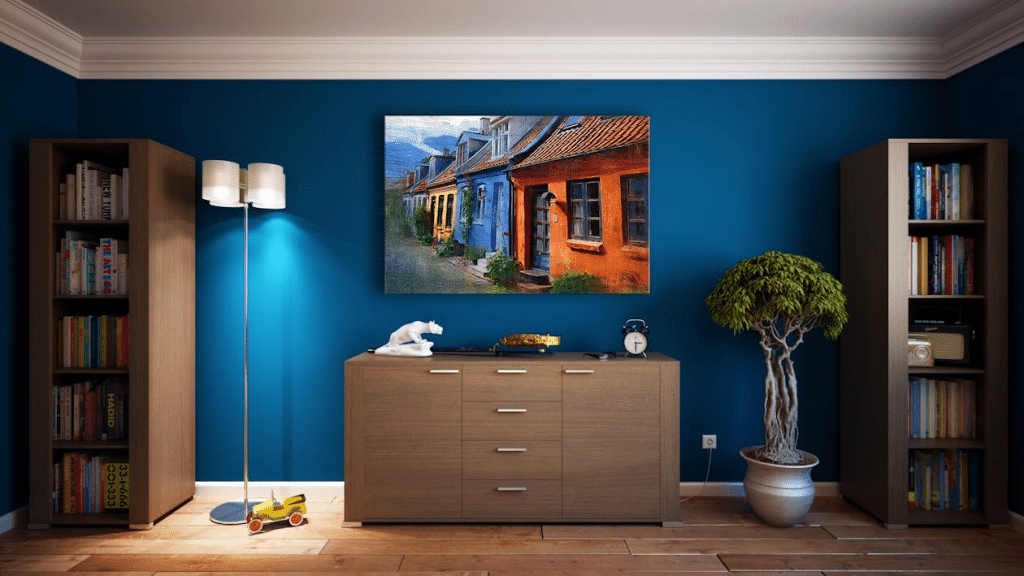
3. Choose Light-Colored Walls and Flooring
Color plays a crucial role in how light is absorbed and reflected in a space.
- Paint walls in soft whites, pastels, or neutral tones to reflect natural light effectively.
- Use light wood, laminate, or tile flooring to maintain brightness.
- Incorporate light-colored furnishings and textiles to complement wall and floor choices.
Journal of Environmental Psychology (2022) shows that light colors enhance perceived space and improve the distribution of natural light, positively impacting mood and productivity.
4. Employ Open Layouts
Open floor plans allow light to travel further into the home.
- Remove unnecessary partitions or bulky furniture that block sunlight.
- Use low-profile furniture to maintain visibility and light flow.
- Create visual continuity between rooms using consistent color schemes and flooring.
Houzz (2023) notes that open layouts allow for better sunlight penetration, creating brighter, more inviting living spaces. For example, combining kitchen, dining, and living areas in a single open plan maximizes natural illumination.
5. Use Window Treatments Wisely
Window coverings can enhance or hinder natural light.
- Choose sheer curtains or blinds that allow light to pass while maintaining privacy.
- Opt for top-down/bottom-up shades to control light without blocking it entirely.
- Avoid heavy drapery in rooms where light maximization is essential.
According to Architectural Digest (2023), thoughtful window treatment selection allows homeowners to balance natural light, privacy, and temperature control effectively.
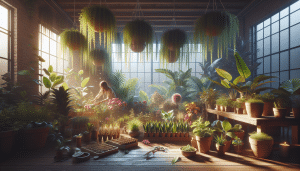
6. Integrate Indoor Plants
Indoor plants can enhance spaces without reducing light.
- Position small or trailing plants near windows to receive adequate sunlight.
- Use plants with reflective leaves, such as fiddle leaf figs or rubber plants, to bounce light subtly.
- Arrange planters strategically to avoid obstructing light flow to key areas.
Journal of Environmental Horticulture (2022) reports that indoor plants improve air quality, aesthetics, and perceived comfort while complementing natural light strategies.
7. Implement Glass and Translucent Partitions
Glass partitions preserve openness while defining spaces.
- Use frosted or clear glass panels for room separation without blocking light.
- Install glass doors or interior windows to allow light from adjacent spaces to pass through.
- Combine translucent materials with reflective surfaces to maximize light distribution.
Interior Design Magazine (2023) highlights that glass elements maintain spatial continuity and enhance light flow, particularly in apartments or compact homes.
8. Leverage Light-Reflecting Decor
Decorative items can support natural light distribution.
- Place mirrored art, metallic frames, or light-colored textiles strategically.
- Use glass or acrylic tabletop accessories to reduce light obstruction.
- Incorporate reflective backsplashes in kitchens or bathrooms to amplify light.
Houzz (2023) emphasizes that strategic decor choices enhance natural brightness and contribute to overall interior aesthetics.
9. Consider Exterior Design Features
Outdoor features impact indoor light quality.
- Trim trees or shrubs near windows to allow unobstructed sunlight.
- Use light-colored exterior finishes to reflect sunlight into interiors.
- Incorporate overhangs or awnings that allow seasonal sunlight in while preventing glare.
Architectural Digest (2023) notes that exterior planning complements interior light strategies, improving energy efficiency and comfort.
10. Combine Technology with Design
Smart home technologies can enhance natural light usage.
- Install automated blinds or smart shades to adjust light levels throughout the day.
- Use smart lighting systems to supplement natural light when needed.
- Integrate light sensors that adjust interior illumination based on sunlight availability.
TechCrunch (2023) reports that technology-assisted light management allows homeowners to maintain optimal lighting conditions efficiently while supporting energy savings.
Conclusion
Interior design solutions that maximize natural light include optimizing window placement, using reflective surfaces, selecting light colors, creating open layouts, choosing thoughtful window treatments, integrating plants, using glass partitions, leveraging decor, considering exterior factors, and applying smart technologies.
By implementing these strategies, homeowners can create spaces that feel brighter, more spacious, and more inviting while improving well-being, energy efficiency, and overall aesthetic appeal. Maximizing natural light transforms living areas into functional, comfortable, and visually pleasing environments suitable for modern living.
References
Architectural Digest (2023). Natural Light in Home Design. Available at: https://www.architecturaldigest.com
Interior Design Magazine (2023). Reflective Surfaces and Light Distribution. Available at: https://www.interiordesign.net
Journal of Environmental Psychology (2022). Effects of Light and Color on Perception. Available at: https://www.journals.elsevier.com/journal-of-environmental-psychology
Houzz (2023). Open Layouts and Natural Light. Available at: https://www.houzz.com
Journal of Environmental Horticulture (2022). Indoor Plants and Light Reflection. Available at: https://journals.ashs.org/jeh
TechCrunch (2023). Smart Home Lighting Solutions. Available at: https://techcrunch.com

 Fitness Practices That Promote Overall Wellbeing