Interior Organization Tips That Save Time and Effort
Adrian Park September 26, 2025
Interior organization tips that save time and effort are becoming essential as more people juggle remote work, family life, and wellness at home. With smart storage, AI-powered organization tools, and functional design trends, you can transform your living space into a time-saving powerhouse.
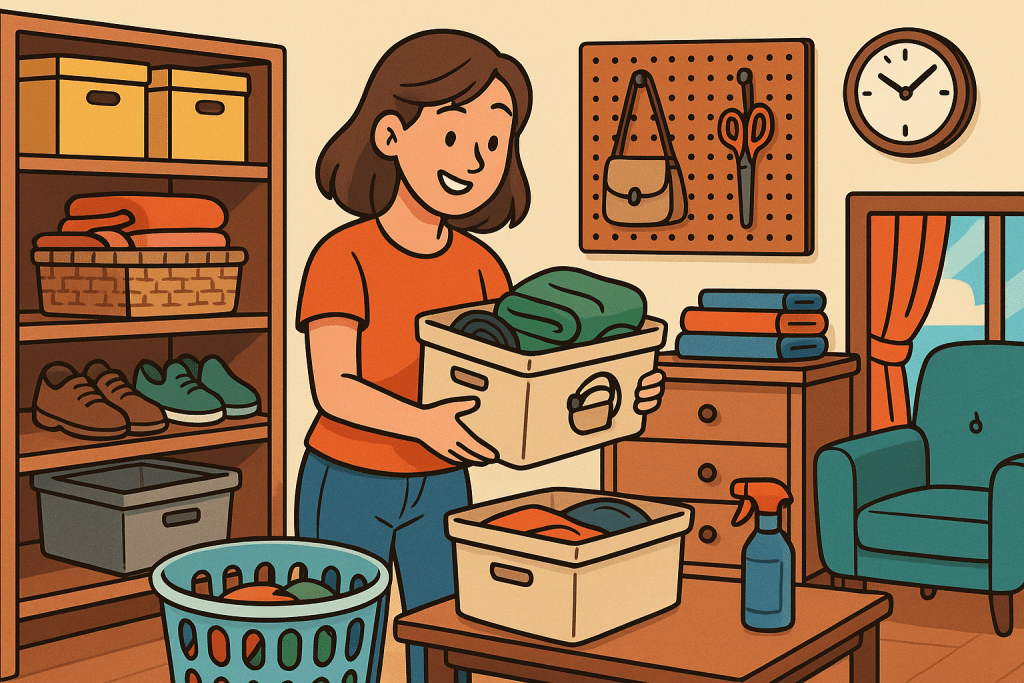
Why Interior Organization Matters Now More Than Ever
In 2025, home organization is more than a matter of aesthetics—it’s about functionality and reducing stress. Studies show that cluttered environments can increase anxiety and reduce productivity (Saxbe & Repetti 2010). By optimizing organization, you create a space that supports both mental well-being and efficiency.
Smart Storage Solutions for Busy Homes
Modular Furniture with Built-In Storage
Modern modular furniture now comes with storage designed into every piece. Beds with drawers, ottomans with hidden compartments, and expandable dining tables save floor space while cutting down on clutter.
Vertical Space Utilization
Instead of overcrowding floors, homeowners are maximizing wall and ceiling space with:
- Floating shelves
- Over-the-door organizers
- Ceiling-mounted pot racks in kitchens
Hidden Tech Organization
Cord chaos is one of the biggest time-wasters in modern homes. Cable boxes, wireless charging drawers, and multi-device charging hubs keep everything streamlined.
Tech-Driven Organization: AI and Smart Homes
One of the fastest-growing organization trends is the use of AI and IoT devices to handle everyday tasks. These tools are designed to cut down on repetitive chores and make routines smoother.
Think about smart closets that suggest outfits by checking the weather and your calendar. Or robotic vacuums that learn the layout of your home and quietly take care of dust and pet hair without you lifting a finger. Even voice-controlled assistants are stepping up, tracking pantry items, sending shopping list reminders, and syncing with connected fridges to flag items close to expiry.
According to Statista (2024), households using AI-powered devices save an average of 2.5 hours per week. That’s time that can be spent on family, work, or just resting—while your home takes care of itself in the background.
Functional Minimalism: Less is More
The minimalism trend isn’t disappearing; it’s shifting. Functional minimalism is about owning fewer things, but making sure each one has a clear role. It’s not about empty walls or stark rooms—it’s about curating with intention so your space feels useful and calm.
Key principles include:
- One-in, one-out rule – Add something new, remove something old.
- Multi-functional furniture – Pieces that serve two or more purposes, like storage ottomans or sofa beds.
- Quarterly decluttering – Small, regular clean-outs prevent overwhelming piles later.
- Quality over quantity – Choosing durable, well-loved items instead of filling up with extras.
A good example is swapping a coffee table for one with hidden storage. It keeps the room tidy while still being practical—form meeting function.
The Rise of Sustainable Organization
Eco-friendly storage is gaining momentum as homeowners look for greener ways to organize their spaces. Instead of relying on plastic containers, many are switching to:
- Bamboo drawer dividers for a renewable, natural option
- Bins made from recycled materials that give waste a second life
- Composting stations that turn kitchen scraps into garden soil
These swaps cut down on environmental impact and make daily routines smoother. Tasks like waste sorting and food prep feel less like chores when your storage works with your lifestyle (EPA, 2023).
Time-Saving Organization Hacks
Here are practical, easy-to-implement strategies:
- Color-coded storage bins – Assign each type of item a color. For example, green for holiday décor, blue for winter clothes, red for toys. One glance tells you what’s inside without digging around.
- Rolling carts – These work in tight spaces like kitchens, bathrooms, or craft corners. You can wheel everything you need to the exact spot, then tuck it away when you’re done.
- Drawer inserts – No more “junk drawer.” Small dividers keep utensils, pens, or makeup in clear sight, so you stop wasting minutes hunting for them.
- Digital labels with QR codes – Stick a code on storage boxes, scan with your phone, and instantly see what’s inside. Perfect for garages or closets full of stacked bins.
- Weekly reset routines – Spend 10–15 minutes on Sunday putting things back where they belong. It prevents the slow build-up of clutter and keeps the week ahead calmer.
The RoleThe Role of Scalp and Functional Health in Organization
Interior organization doesn’t just make a home look neat. It directly supports personal wellness. Studies show that orderly environments encourage consistent self-care habits, including skincare and scalp routines (Darby & McCutcheon 2018). A bathroom or vanity that’s clutter-free removes small barriers and makes it easier to follow through on healthy habits.
Simple systems go a long way:
- Magnetic organizers keep brushes and combs in view but off the counter.
- Tiered trays separate oils, shampoos, and scalp treatments so nothing gets lost in the shuffle.
- Clear bins for vitamins and supplements act as gentle reminders.
- Drawer dividers prevent small items like scalp massagers or clips from disappearing.
These touches save time, reduce stress, and create a natural flow between organized spaces and health routines. When everything has its place, self-care becomes less of a chore and more of a habit.
Future of Interior Organization: 2025 and Beyond
Looking ahead, interior design will move from storage solutions to full lifestyle integration.
- AI-driven pantry systems will not only auto-order groceries but also track expiry dates and suggest recipes.
- Smart mirrors will act as personal assistants, reminding you of tasks, showing your calendar, or giving quick updates while you get ready.
- Virtual reality planning apps will let you preview storage changes in 3D before spending a dime.
- Sustainable smart furniture—like wardrobes with built-in dehumidifiers or compost-ready kitchen counters—will make organization eco-friendly as well as efficient.
By 2025 and beyond, “organized” won’t just mean neat. It will mean a home that anticipates your needs and actively supports healthier, smarter living.
Conclusion
Interior organization tips that save time and effort are no longer optional—they’re part of a functional, balanced lifestyle. From AI-driven smart homes to sustainable storage solutions, the future of organization blends technology, wellness, and design. By embracing these strategies, you not only streamline your home but also free up time and mental energy for what matters most.
References
- Good Housekeeping. (2023) 15 Home Organization Tips That Will Save You Time Every Day. Available at: https://www.goodhousekeeping.com (Accessed: 25 September 2025).
- Martha Stewart. (2022) Decluttering and Organizing Tips That Make Everyday Living Easier. Available at: https://www.marthastewart.com (Accessed: 25 September 2025).
- The Spruce. (2024) 50 Easy Organization Ideas to Simplify Your Home. Available at: https://www.thespruce.com (Accessed: 25 September 2025).

 Emerging Marketing Trends That Shape Entrepreneurship