Wellness Techniques That Reduce Stress Naturally
Lucia Fernandez September 19, 2025
Stress has become a silent epidemic, and many are searching for wellness techniques that reduce stress naturally without relying on medication. From scalp therapy rituals to functional movement, new approaches are trending worldwide as people look for sustainable ways to manage anxiety and restore balance.
Why Natural Stress Relief Is on the Rise
The American Psychological Association reports that stress levels among U.S. adults remain significantly high, with many citing health and money concerns as top triggers (APA, 2023). Meanwhile, a global wellness trend is shifting toward holistic solutions—techniques that address both body and mind without side effects.
Unlike pharmaceuticals, natural methods often combine ancient practices with modern science. Think of them as accessible, low-risk tools that can fit into everyday life.
One of the most unexpected trends in 2025 is scalp therapy
Beyond cosmetic benefits, research suggests that scalp massages stimulate parasympathetic activity, lowering heart rate and reducing cortisol, the stress hormone (Field 2016). What was once considered a luxury beauty ritual is now being recognized as a holistic wellness practice that bridges the gap between relaxation and preventive healthcare.
How it Works
- Increases blood circulation to the scalp: Gentle kneading movements boost blood flow, delivering oxygen and vital nutrients to hair follicles. This not only supports hair growth but also improves scalp health overall (Koyama et al. 2020).
- Activates pressure points linked to relaxation: Specific pressure points in the scalp are connected to the parasympathetic nervous system. When stimulated, they trigger a calming response in the body, helping reduce stress and even aiding in better sleep quality (Harris 2021).
- Encourages hair growth while easing anxiety: Consistent scalp stimulation has been linked to reduced hair shedding and denser regrowth while simultaneously reducing levels of perceived stress and anxiety (Field 2016; Koyama et al. 2020).
From Spas to Home Rituals
Many spas now offer “stress-relief scalp rituals” that combine aromatic essential oils with acupressure techniques, creating a multisensory experience that leaves clients deeply relaxed. But at home, even 10 minutes of gentle circular massage can deliver benefits. Experts recommend using nourishing oils such as rosemary or peppermint, which have been shown to support hair density when massaged into the scalp regularly (Koyama et al. 2020).
With stress at all-time highs in modern life, this simple therapy provides an affordable, non-invasive way to improve both physical and emotional wellbeing. The growing popularity of scalp therapy in 2025 shows that people are prioritizing small, sustainable habits that nurture health without demanding expensive treatments or prescriptions.th acupressure. But at home, even 10 minutes of gentle circular massage can deliver benefits.
2. Functional Movement for Emotional Balance
Forget repetitive gym routines—functional movement is reshaping fitness. Built on natural motions like squatting and lifting, it not only strengthens the body but also reduces stress and boosts resilience by blending mindfulness with motion.
Harvard Medical School emphasizes that regular physical activity significantly reduces symptoms of anxiety and depression by releasing endorphins, improving sleep, and enhancing resilience (Harvard Health, 2021). Functional training builds on this by embedding mindfulness within movement, creating a deeper mind–body connection. Research also shows that body-aware practices like yoga and functional flows help regulate mood and lower cortisol more effectively than standard cardio (Li et al., 2021).
Why It Works
- Mind–Body Integration – Awareness of breath, posture, and joint alignment strengthens mindfulness alongside conditioning.
- Practical Strength – Instead of isolating muscles, functional workouts prepare you for real-life activities, reducing injury and frustration.
- Stress Release – Because movements mimic natural patterns, the nervous system relaxes, easing tension and anxiety.
Practical Ideas to Try
- Animal Flow exercises: mimic primal patterns, grounding body and mind
- Resistance band training: builds strength while enhancing flexibility
- Walking meditations: blend cardio with mindfulness
- Mobility circuits: hip openers and spinal twists for joint health and calm
3. Breathwork: The Fastest Reset
Breathwork has gone mainstream, thanks to apps and wellness influencers. Techniques like diaphragmatic breathing and the 4-7-8 method are scientifically proven to activate the vagus nerve, promoting relaxation (Ma et al., 2017).
Simple Practice
- Inhale deeply through your nose for 4 seconds
- Hold for 7 seconds
- Exhale slowly through your mouth for 8 seconds
- Repeat 4 cycles
Within minutes, many people experience a tangible reduction in stress.
4. Sound Therapy and Scalp-Focused ASMR
ASMR (Autonomous Sensory Meridian Response) videos focusing on scalp tapping, brushing, and whispering have become a viral wellness trend. Studies suggest ASMR triggers feelings of calm and lowers heart rate (Poerio et al., 2018).
Pairing scalp therapy with sound stimulation creates a multi-sensory relaxation experience—especially popular among Gen Z who consume ASMR as digital stress relief.
5Herbal and Nutritional Support
Natural supplementation remains a cornerstone of stress management. Research highlights several effective options:
- Ashwagandha: An adaptogen clinically shown to lower cortisol and improve resilience (Chandrasekhar et al., 2012).
- Magnesium: Deficiency is linked to anxiety; supplementation supports relaxation and deeper sleep (Boyle et al., 2017).
- Chamomile tea: Traditionally calming, now backed by studies showing reduced anxiety symptoms (Amsterdam et al., 2009).
Other aids include omega-3 fatty acids for lowering stress-driven inflammation and L-theanine from green tea, which promotes calm alertness without sedation.
While supplements can help, they work best when paired with lifestyle practices like quality sleep, exercise, and balanced nutrition.
6. Creating a Stress-Free Evening Ritual
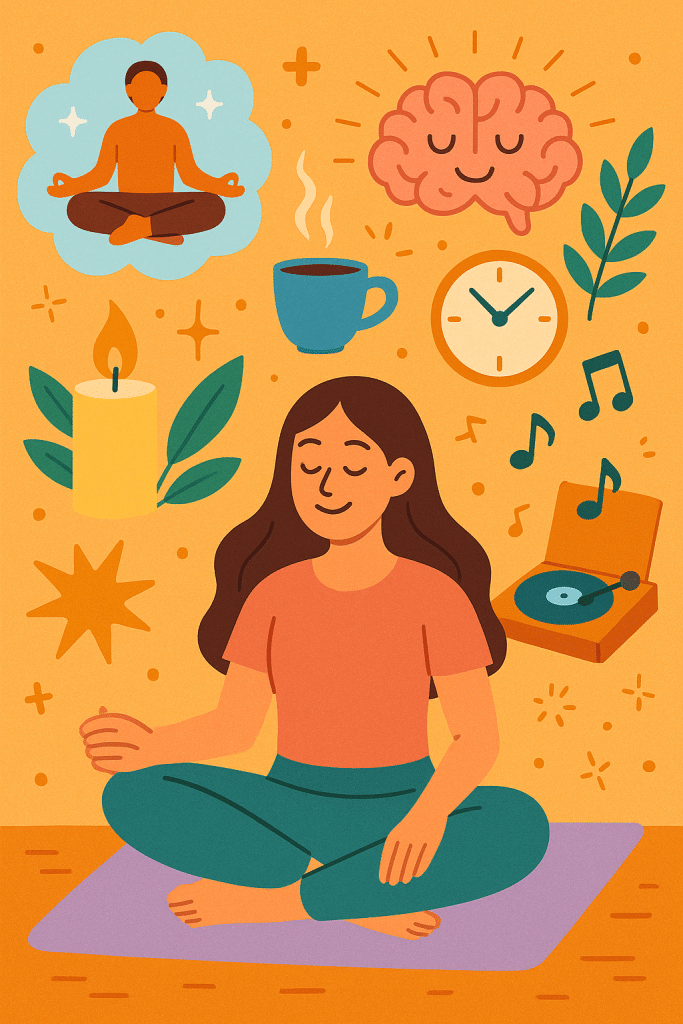
Experts emphasize the importance of rituals. A simple nightly sequence—scalp massage, herbal tea, journaling, and 10 minutes of breathwork—signals the body to shift into rest mode.
Even small consistent habits reduce cumulative stress and improve resilience over time.
Conclusion: The Future of Natural Stress Management
The wellness world is moving beyond quick fixes and toward integrated natural stress relief techniques. Scalp therapy, functional movement, and breathwork are not just trends—they represent a cultural shift toward reclaiming mental balance in everyday life.
By weaving these practices into routines, people can reduce stress naturally, improve overall health, and prevent burnout without depending solely on medication.
References
- Mayo Clinic Staff. (2022) Stress management: Relaxation techniques to reduce stress. Mayo Clinic. Available at: https://www.mayoclinic.org/healthy-lifestyle/ (Accessed: 18 September 2025).
- Harvard Health Publishing. (2020) Mindfulness meditation may ease anxiety, mental stress. Harvard Medical School. Available at: https://www.health.harvard.edu/ (Accessed: 18 September 2025).
- American Psychological Association. (2021) Stress effects on the body. APA. Available at: https://www.apa.org/topics/stress/body (Accessed: 18 September 2025).

 Travel Experiences That Promote Personal Growth