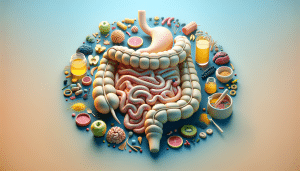
Nutrition Habits That Boost Energy and Focus
Lucia Fernandez October 13, 2025
Energy slumps, brain fog, and difficulty concentrating are common struggles in today’s busy world. While many people turn to coffee or quick snacks, long-term solutions come from building sustainable nutrition habits that boost energy and focus. The foods you choose—and how you consume them—directly impact mental clarity, productivity, and overall well-being.
Here’s how smart nutrition choices can transform the way you think, work, and feel throughout the day.

Why Nutrition Impacts Brain and Body Performance
Your brain consumes about 20% of the body’s total energy, making it highly sensitive to blood sugar fluctuations and nutrient deficiencies. Balanced nutrition not only provides fuel but also stabilizes mood, sharpens concentration, and improves long-term cognitive health.
Harvard Health Publishing highlights that diets high in refined sugar and processed foods are linked to impaired brain function and worsening mood, while nutrient-rich diets improve memory and attention (Harvard Health, 2024).
Building better eating habits isn’t about strict rules—it’s about consistency and small adjustments that sustain focus all day.
1. Prioritize Balanced Meals
Meals rich in complex carbohydrates, lean protein, and healthy fats provide a steady energy release. Unlike sugary snacks, balanced meals stabilize blood glucose and reduce the “crash” that follows spikes.
- Carbs for steady fuel: Whole grains, oats, quinoa, and legumes.
- Proteins for focus: Eggs, chicken, tofu, beans, and Greek yogurt.
- Healthy fats for brain health: Avocados, nuts, seeds, and olive oil.
According to Healthline, combining protein and complex carbs improves mental performance by balancing neurotransmitter production and blood sugar (Healthline, 2024).
2. Embrace the Power of Breakfast
Skipping breakfast often leads to sluggishness and impaired focus. A nutritious breakfast supports brain function by replenishing glucose after fasting overnight.
- Ideal options include oatmeal with berries and nuts, vegetable omelets, or whole-grain toast with avocado.
- Avoid refined pastries or sugary cereals that cause quick energy spikes followed by fatigue.
Johns Hopkins Medicine notes that breakfast eaters tend to have better memory, attention, and overall energy throughout the day (HopkinsMedicine.org, 2024).
3. Stay Hydrated for Mental Clarity
Dehydration, even at mild levels, is linked to decreased concentration, short-term memory, and fatigue.
- Aim for 6–8 glasses of water daily, more if physically active.
- Herbal teas and water-rich foods (like cucumbers and citrus fruits) contribute to hydration.
- Limit excessive caffeine and alcohol, which act as diuretics.
The Mayo Clinic emphasizes hydration as a cornerstone for both physical and cognitive performance (MayoClinic.org, 2024).
4. Choose Brain-Boosting Nutrients
Certain nutrients play key roles in mental sharpness and sustained energy:
- Omega-3 fatty acids: Found in fatty fish, walnuts, and flaxseeds, they enhance memory and learning.
- B vitamins: Present in whole grains, eggs, and leafy greens, they help convert food into energy.
- Magnesium: Nuts, seeds, and dark chocolate support energy metabolism and stress reduction.
- Iron: Lean red meat, beans, and spinach prevent fatigue from anemia.
Medical News Today reports that diets rich in these nutrients are strongly associated with improved concentration and productivity (MedicalNewsToday.com, 2024).
5. Practice Smart Snacking
Healthy snacks prevent energy dips between meals. Instead of reaching for chips or candy, choose nutrient-dense options.
- Almonds, walnuts, or pumpkin seeds for protein and healthy fats.
- Apple slices with nut butter for fiber and energy.
- Greek yogurt with berries for probiotics and antioxidants.
Snacks should complement—not replace—balanced meals. They’re a tool to maintain steady focus.
6. Time Your Meals Strategically
Meal timing can influence energy levels as much as food quality.
- Eat every 3–4 hours to prevent blood sugar crashes.
- Avoid heavy meals before mentally demanding tasks, as digestion can slow alertness.
- Opt for lighter, protein-rich meals during work hours and heavier meals at the end of the day when relaxation is the priority.
According to WebMD, consistent meal timing helps regulate circadian rhythms, supporting both energy and focus (WebMD, 2024).
7. Limit Added Sugars and Processed Foods
Sugary snacks may give a quick energy rush, but they cause sharp drops in glucose that impair focus.
- Replace soda with sparkling water flavored with citrus.
- Swap candy bars for dark chocolate or fruit.
- Limit refined carbs like white bread or pastries.
The Cleveland Clinic stresses that reducing added sugar intake supports steady energy and cognitive performance (ClevelandClinic.org, 2024).
8. Incorporate Antioxidant-Rich Foods
Oxidative stress affects brain aging and performance. Antioxidants protect cells and enhance energy efficiency.
- Berries, leafy greens, and colorful vegetables provide high antioxidant content.
- Green tea contains L-theanine, which enhances alertness while avoiding caffeine jitters.
- Dark chocolate in moderation supports blood flow to the brain.
Everyday Health notes that antioxidant-rich diets improve both mental clarity and long-term brain health (EverydayHealth.com, 2024).
9. Consider Meal Prep and Planning
Time pressures often push people toward convenience foods. Meal prep eliminates last-minute unhealthy decisions.
- Batch cook grains, proteins, and vegetables for the week.
- Store balanced snacks like trail mix or hard-boiled eggs for quick grabs.
- Use portioned containers to avoid overeating.
Nutrition experts at EatRight.org recommend meal planning as one of the most effective ways to maintain energy-focused nutrition habits.
10. Practice Moderation, Not Perfection
The goal isn’t rigid dieting but consistent habits. Occasional indulgences are fine as long as the foundation is built on nutrient-dense, balanced foods. Overly strict rules often backfire, leading to burnout or cravings.
Consistency in fueling the body with whole foods matters far more than perfection.
Conclusion
Your ability to stay energized and focused doesn’t just depend on motivation—it depends on how you fuel your body. Building nutrition habits that boost energy and focus can transform daily performance and long-term health.
Balanced meals, hydration, nutrient-rich foods, and smart snacking create stable energy, while antioxidants and brain-friendly nutrients enhance clarity. By making small, consistent changes, you can sustain productivity and feel sharper throughout the day.
References
Cleveland Clinic. (2024). How sugar affects your energy and focus. Retrieved from https://my.clevelandclinic.org
Everyday Health. (2024). Antioxidant-rich diets and brain health. Retrieved from https://www.everydayhealth.com
Harvard Health Publishing. (2024). Nutrition and brain performance. Retrieved from https://www.health.harvard.edu
Healthline. (2024). How balanced meals boost focus. Retrieved from https://www.healthline.com
Hopkins Medicine. (2024). Breakfast and brain health. Retrieved from https://www.hopkinsmedicine.org
Mayo Clinic. (2024). Hydration and performance. Retrieved from https://www.mayoclinic.org
Medical News Today. (2024). Nutrients that support concentration. Retrieved from https://www.medicalnewstoday.com
WebMD. (2024). Meal timing and circadian health. Retrieved from https://www.webmd.com

 DIY Home Projects That Add Style and Function