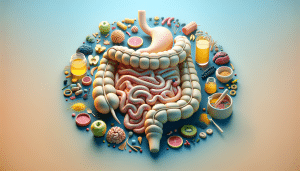
Nutrition Habits That Support Brain Health
Lucia Fernandez October 6, 2025
In 2025, conversations around wellness are shifting from appearance and physical strength to mental performance and long-term cognitive resilience. As more people live longer and work in knowledge-driven industries, attention is turning to nutrition habits that support brain health. The foods we eat affect not only how we feel in the moment but also how well our minds function across a lifetime.
Brain health is influenced by multiple factors—genetics, environment, sleep, and physical activity—but diet plays a central role. Certain eating patterns are now recognized as protective against memory decline, while others help boost focus, creativity, and decision-making.

Why Brain Health Depends on Nutrition
The brain consumes about 20% of the body’s daily energy intake. To function optimally, it requires a steady supply of glucose, healthy fats, amino acids, vitamins, and minerals. Poor nutrition can impair neurotransmitter function, reduce mental clarity, and accelerate cognitive decline.
A 2024 report in The Lancet Neurology emphasized that up to 40% of dementia risk could be reduced through lifestyle interventions, with nutrition as a critical factor.
Core Nutrition Habits That Support Brain Health
1. Prioritize Omega-3 Fatty Acids
Omega-3s, found in fatty fish like salmon, walnuts, and flaxseeds, are essential for maintaining brain cell structure and communication. They reduce inflammation and have been linked to lower risks of depression and Alzheimer’s disease.
2. Eat a Mediterranean-Inspired Diet
The Mediterranean diet—rich in fruits, vegetables, whole grains, nuts, and olive oil—is consistently associated with better cognitive health. It emphasizes antioxidants and anti-inflammatory foods that protect neurons.
3. Incorporate Antioxidant-Rich Foods
Berries, dark chocolate, green tea, and leafy greens are high in antioxidants that neutralize free radicals, reducing oxidative stress linked to memory decline.
4. Maintain Steady Blood Sugar
Frequent spikes and crashes in blood sugar contribute to brain fog and fatigue. Eating balanced meals with protein, fiber, and healthy fats stabilizes glucose levels and supports sustained focus.
5. Stay Hydrated
Even mild dehydration can impair attention and short-term memory. Water, herbal teas, and water-rich fruits like oranges and cucumbers are simple ways to support hydration.
6. Support the Gut-Brain Axis
Gut health influences mood and cognition through the microbiome. Fermented foods like yogurt, kimchi, and kefir, along with prebiotic fiber from garlic and bananas, strengthen the gut-brain connection.
7. Limit Processed Foods
Highly processed foods high in sugar and trans fats are linked to inflammation and reduced brain volume over time. Minimizing these helps preserve long-term mental function.
Emerging Nutrition Trends for Brain Health
The MIND Diet
A hybrid of the Mediterranean and DASH diets, the MIND diet is specifically designed to reduce the risk of neurodegenerative disease. It emphasizes leafy greens, berries, nuts, and limited red meat.
Personalized Nutrition
Advances in DNA testing and wearable health tech now allow individuals to receive diet recommendations tailored to their genetic predispositions and lifestyle needs, including brain performance.
Nootropic Foods
Foods and supplements labeled as natural nootropics—such as matcha, lion’s mane mushrooms, and turmeric—are gaining popularity for their potential to boost memory and focus.
Practical Daily Nutrition Plan for Brain Health
Here’s an example of a simple daily routine built around nutrition habits that support brain health:
- Breakfast: Oatmeal topped with blueberries, walnuts, and a drizzle of olive oil.
- Snack: Greek yogurt with chia seeds.
- Lunch: Quinoa salad with salmon, leafy greens, and avocado.
- Snack: Dark chocolate and green tea.
- Dinner: Lentil stew with garlic, tomatoes, and spinach.
This structure balances healthy fats, antioxidants, and fiber for both energy and long-term cognitive function.
Long-Term Benefits of Brain-Supportive Nutrition
Adopting these habits provides:
- Improved memory and concentration.
- Reduced risk of Alzheimer’s and dementia.
- Stable energy and mood regulation.
- Greater resilience to stress and inflammation.
- Support for lifelong learning and creativity.
Conclusion
In 2025, nutrition is more than a lifestyle choice—it is a foundation for cognitive vitality. Prioritizing omega-3s, antioxidants, hydration, and balanced diets ensures the brain receives the nutrients it needs to thrive.
By committing to nutrition habits that support brain health, individuals can strengthen focus today while protecting memory and mental clarity for the future.
References
- The Lancet Neurology. (2024). Lifestyle interventions and dementia prevention. https://www.thelancet.com
- Harvard Health Publishing. (2024). Nutrition for brain health and cognitive resilience. https://www.health.harvard.edu
- Alzheimer’s Association. (2024). The role of diet in Alzheimer’s prevention. https://www.alz.org
- Medical News Today. (2024). Foods that improve memory and focus. https://www.medicalnewstoday.com
- Forbes. (2024). Emerging nutrition trends for mental performance. https://www.forbes.com

 DIY Home Projects That Enhance Comfort