Nutrition Practices That Support Brain and Body Health
Lucia Fernandez September 30, 2025
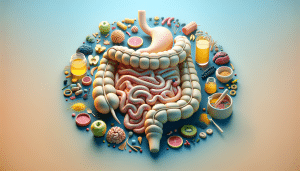
Nutrition practices that support brain and body health are gaining attention as new studies highlight the powerful role food plays in cognitive function, energy, and long-term wellness. In this article, we explore the science behind these practices and how you can apply them daily.
Why Nutrition Matters for Both Brain and Body
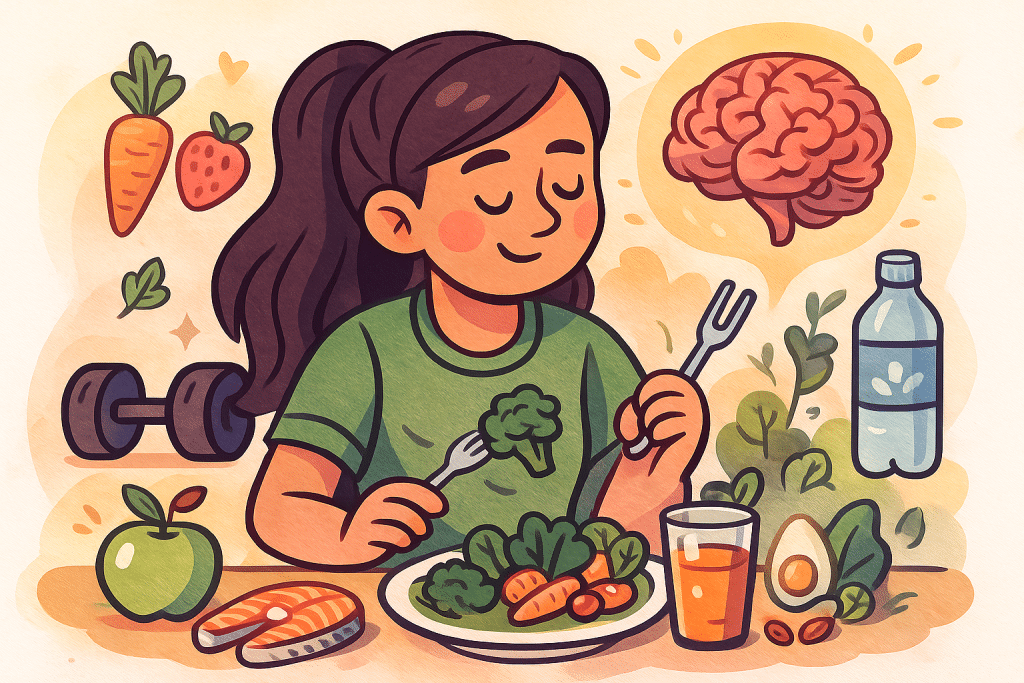
Most people view diet in terms of weight management or physical appearance. However, research shows that nutrition practices that support brain and body health go far beyond calories—they influence memory, focus, mood, disease prevention, and overall longevity.
Nutrients like omega-3 fatty acids, flavonoids, and B vitamins affect how neurons communicate, while antioxidants reduce inflammation that drives chronic diseases and cognitive decline (Gómez-Pinilla 2008). A diet designed for brain and body synergy can optimize productivity today while preventing neurodegenerative and cardiovascular conditions tomorrow.
The Rise of Brain-Body Nutrition as a Wellness Trend
Over the past decade, wellness culture has shifted toward “biohacking,” where individuals seek out precise nutritional strategies to enhance both mind and body performance. Popular approaches include:
- Mediterranean Diets – praised for reducing Alzheimer’s risk.
- Ketogenic Diets – linked to improved mental clarity.
- Plant-Rich Diets – associated with lower inflammation.
Market research shows that supplements targeting both brain and body—such as nootropics with probiotics—are projected to exceed 10 billion dollars in value by 2028 (Grand View Research 2022). This demonstrates a consumer-driven demand for solutions that integrate physical and cognitive health.
Key Nutrition Practices That Support Brain and Body Health
1. Omega-3 Fatty Acids for Cognitive and Cardiovascular Strength
Omega-3s, found in salmon, sardines, walnuts, and flaxseeds, are essential for maintaining brain cell membranes and reducing systemic inflammation. Studies show diets rich in omega-3s correlate with lower rates of depression and Alzheimer’s disease while also lowering triglycerides and improving heart health (Freeman et al. 2006).
Practical tip: Aim for two servings of fatty fish weekly or consider algae-based supplements if plant-based.
2. Polyphenols and Antioxidants for Memory and Energy
Berries, dark chocolate, green tea, and olive oil are rich in polyphenols, which protect neurons from oxidative stress. Long-term intake has been linked to improved working memory and slower cognitive decline (Letenneur et al. 2007).
At the same time, antioxidants lower risks of cardiovascular disease by preventing plaque buildup and reducing inflammation.
Practical tip: Add a handful of blueberries or a cup of green tea daily to fuel both body and brain resilience.
3. B Vitamins for Energy and Neurological Protection
B vitamins (especially B6, B9/folate, and B12) are crucial in homocysteine regulation, a factor tied to both dementia and heart disease. Deficiencies are common in older adults and have been linked to fatigue, mood issues, and cognitive impairment (Smith and Refsum 2016).
Practical tip: Include foods like leafy greens, eggs, beans, and fortified cereals to maintain adequate levels. Vegans should monitor B12 levels carefully.
4. Gut-Brain Connection: Probiotics and Prebiotics
Emerging research shows gut microbiota influence neurotransmitters like serotonin, which impact mood and memory. Diets high in probiotics (yogurt, kefir, kimchi) and prebiotics (fiber-rich foods like oats, onions, and bananas) help balance gut health, indirectly supporting brain clarity and energy (Cryan et al. 2019).
Practical tip: Add fermented foods several times per week and increase fiber intake to nurture a diverse microbiome.
5. Protein and Amino Acids for Cognitive Performance
Proteins provide amino acids that form neurotransmitters such as dopamine and serotonin. Adequate protein intake has been associated with better focus and reduced fatigue during demanding tasks (Fernstrom 2013).
Practical tip: Balance protein sources from lean meats, legumes, and plant proteins to support both muscle recovery and neurotransmitter production.
6. Hydration as a Cognitive Enhancer
Even mild dehydration impairs memory, focus, and mood. Studies suggest a 1–2% loss of body water can affect attention and reaction time (Masento et al. 2014).
Practical tip: Use a hydration reminder app or aim for 2–3 liters daily, adjusting for activity level and climate.
Nutrition Practices in Action: Daily Meal Blueprint
Here’s a sample day of eating designed around nutrition practices that support brain and body health:
- Breakfast: Oatmeal topped with blueberries, chia seeds, and walnuts; green tea.
- Lunch: Mediterranean bowl with salmon, quinoa, spinach, olive oil, and roasted peppers.
- Snack: Greek yogurt with flaxseeds and honey.
- Dinner: Lentil curry with turmeric, brown rice, and steamed broccoli.
- Hydration: 2–3 liters of water spread throughout the day.
Current Trends: Personalized and Tech-Driven Nutrition
- Genetic Testing: DNA-based nutrition plans tailor recommendations for brain and cardiovascular resilience.
- Wearable Tech: Devices track hydration, glucose, and heart rate, linking food choices to mental performance.
- Functional Foods: Products like probiotic chocolate or adaptogen-infused drinks are marketed as dual brain-body enhancers.
These innovations highlight the growing demand for personalized nutrition practices that support brain and body health rather than generic diets.
Potential Challenges and Misconceptions
While interest is growing, misconceptions remain:
- Supplements are not a replacement – While fish oil pills or vitamin blends are helpful, they cannot fully replicate a diet rich in whole foods.
- “Brain foods” alone aren’t magic – Nutrition should be paired with exercise, sleep, and stress management for full benefit.
- Cost concerns – Some believe brain-healthy diets are expensive, yet beans, seasonal produce, and oats are affordable staples.
Conclusion: The Future of Brain-Body Nutrition
Nutrition practices that support brain and body health are no longer a niche idea—they are a mainstream approach to achieving holistic well-being. From omega-3s to probiotics, science consistently shows that food choices shape both cognition and long-term health. As personalized nutrition technologies grow, individuals will gain even more targeted strategies to optimize their daily performance and protect against chronic disease.
The next time you prepare a meal, remember: what fuels your body also fuels your brain.
References
- Harvard T.H. Chan School of Public Health. (2023) The nutrition source: Healthy eating plate & pyramid. Harvard University. Available at: https://www.hsph.harvard.edu(Accessed: 30 September 2025).
- Gómez-Pinilla, F. (2008) ‘Brain foods: the effects of nutrients on brain function’, Nature Reviews Neuroscience, 9(7), pp. 568–578. Available at: https://doi.org/ (Accessed: 30 September 2025).
- National Institute on Aging. (2021) Smart food choices for healthy aging. U.S. Department of Health & Human Services. Available at: https://www.nia.nih.gov/ (Accessed: 30 September 2025).

 Travel Destinations That Promote Exploration