Nutrition Tips That Support Brain Health
Lucia Fernandez September 24, 2025
Maintaining brain health has become one of the most talked-about topics in nutrition. With rates of dementia rising worldwide and people living longer, many are searching for natural ways to protect memory, focus, and mental clarity. The right foods can make a difference—and new research is pointing to some surprising nutrition strategies.
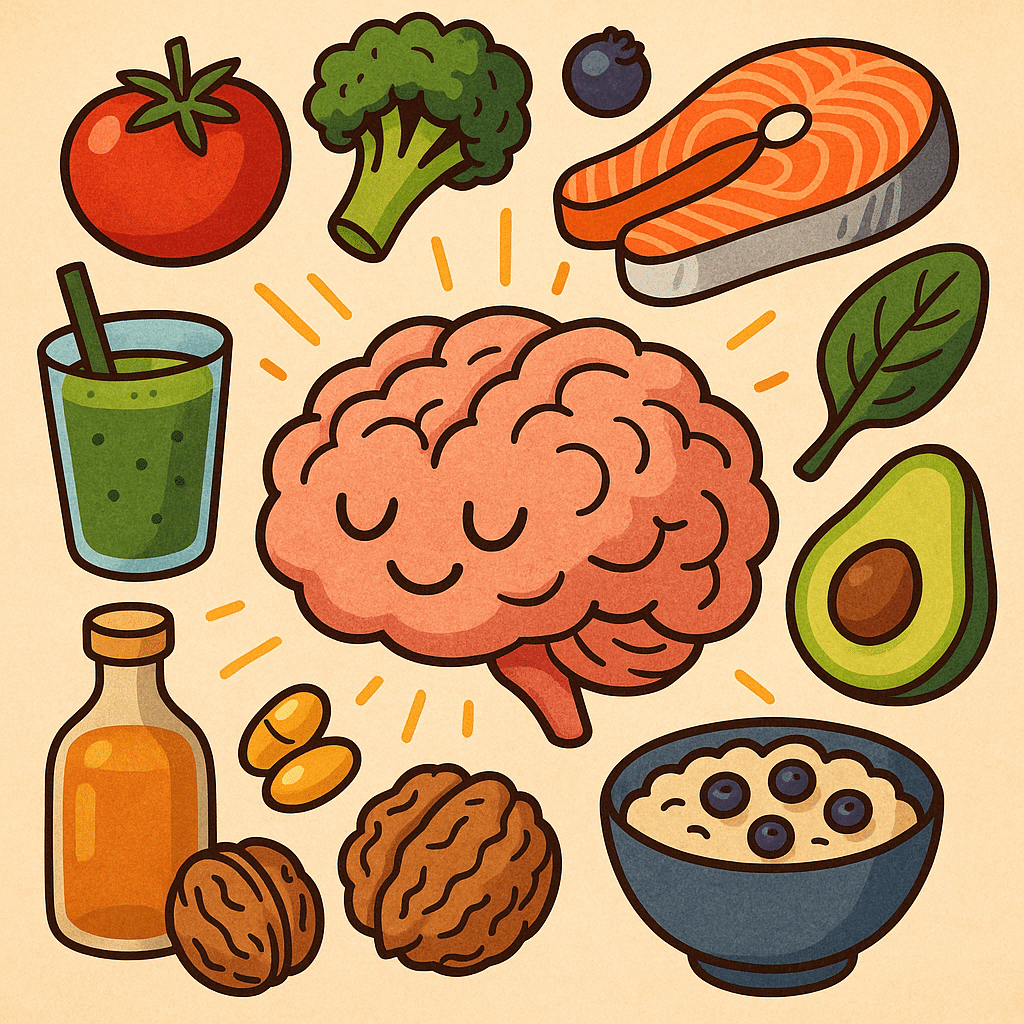
Why Nutrition and Brain Health Are Connected
Your brain may only account for 2% of body weight, but it consumes about 20% of the body’s energy. That energy comes directly from your diet. Nutrients influence how neurons communicate, how well your brain repairs itself, and even how it ages over time. Studies show that what we eat can affect the risk of neurodegenerative conditions such as Alzheimer’s disease (Morris et al. 2015).
Omega-3 Fatty Acids: Fuel for Focus
Omega-3 fatty acids, especially DHA, are essential for maintaining brain cell membranes. They’re found in fatty fish like salmon, sardines, and mackerel, as well as chia seeds and flaxseeds.
- Why it matters: DHA improves communication between brain cells and is linked to better memory and reduced risk of cognitive decline (Yurko-Mauro et al. 2010).
- Easy tip: Aim for two servings of oily fish weekly or supplement with algae-based omega-3s if you follow a plant-based diet.
Polyphenols: Plant Power for Protection
Berries, dark chocolate, and green tea are rich in polyphenols—powerful plant compounds that fight oxidative stress.
- Why it matters: Oxidative stress is one of the main contributors to age-related cognitive decline. Polyphenols reduce inflammation and improve blood flow to the brain (Joseph et al. 2009).
- Easy tip: Add a handful of blueberries to breakfast or swap regular tea for green tea.
The MIND Diet: A Research-Backed Blueprint
The MIND diet—short for Mediterranean-DASH Intervention for Neurodegenerative Delay—has quickly gained attention. It combines the Mediterranean diet with the DASH diet and emphasizes leafy greens, nuts, whole grains, and olive oil.
- Why it matters: Following the MIND diet has been shown to reduce the risk of Alzheimer’s disease by up to 53% in strict adherents (Morris et al. 2015).
- Easy tip: Include at least six servings of leafy greens per week and one serving of beans every other day.
Brain Health and Gut Health: The Hidden Link
Your gut microbiome produces neurotransmitters like serotonin and dopamine. A diet rich in fiber and fermented foods supports a healthy gut, which in turn benefits the brain.
- Why it matters: Emerging evidence shows the gut-brain axis plays a role in anxiety, depression, and cognitive decline (Cryan et al. 2019).
- Easy tip: Include fermented foods like yogurt, kefir, sauerkraut, or kimchi several times per week.
Hydration: The Overlooked Brain Booster
Even mild dehydration can impair concentration, alertness, and short-term memory.
- Why it matters: Brain tissue is about 75% water. Without adequate hydration, neurons can’t fire efficiently.
- Easy tip: Carry a water bottle and aim for at least 2 liters of fluid daily—more if you’re physically active.
Caffeine and Brain Performance: Friend or Foe?
Caffeine can sharpen focus and improve reaction times in the short term. But relying too heavily on caffeine can lead to jitters and poor sleep, which harm long-term brain health.
- Why it matters: Moderate caffeine intake (up to 400 mg per day) is associated with improved alertness without significant health risks (EFSA 2015).
- Easy tip: Stick to coffee or tea in the morning and avoid caffeine at least six hours before bedtime.
Vitamin B12 and Folate: Essential for Memory
Deficiencies in vitamin B12 or folate can cause memory problems and confusion. These nutrients are vital for DNA synthesis and neurotransmitter function.
- Why it matters: Older adults and vegetarians are particularly at risk for B12 deficiency, which is linked to cognitive decline (O’Leary & Samman 2010).
- Easy tip: Include eggs, fortified cereals, or supplements if necessary.
Scalp and Hair: Why Brain Nutrition Helps More Than Memory
Interestingly, many nutrients that support brain health also benefit scalp and hair health. Omega-3s improve scalp circulation, polyphenols reduce inflammation, and B vitamins support hair growth. A diet that fuels the brain often results in healthier, stronger hair.
Practical Takeaways
To support brain health through nutrition, focus on habits that give your brain steady energy and the building blocks it needs to function well:
- Eat two servings of oily fish weekly. Fatty fish like salmon, sardines, or mackerel are rich in omega-3 fatty acids, which are linked to memory and sharper focus. If you don’t like fish, a high-quality algae oil supplement can be a good alternative.
- Add leafy greens and berries to your meals. Spinach, kale, and broccoli provide antioxidants, vitamin K, and folate that protect against cognitive decline. Blueberries and strawberries add flavonoids that may improve learning and memory. Try blending them into smoothies or tossing them into a salad.
- Choose whole grains, nuts, and olive oil. These staples of the Mediterranean diet provide slow-release energy, healthy fats, and vitamin E. Swap white bread for whole-grain, snack on almonds or walnuts, and cook with extra virgin olive oil to support long-term brain health.
- Drink enough water daily. Even mild dehydration can affect concentration and short-term memory. Carry a reusable water bottle and aim for clear or pale-yellow urine as a simple hydration check.
- Support gut health with fiber and probiotics. A balanced gut microbiome plays a surprising role in mood and brain signaling. Foods like yogurt, kefir, sauerkraut, beans, and oats help maintain that balance.
- Monitor caffeine use. Coffee and tea can boost alertness, but too much may cause jitters or affect sleep quality. Aim to cut off caffeine at least six hours before bedtime.
- Check B12 and folate levels, especially as you age. Deficiencies in these vitamins can mimic memory loss or low energy. Ask your doctor about regular testing, and if needed, consider foods like eggs, fortified cereals, or supplements.
Building these habits doesn’t mean overhauling your diet overnight. Small swaps—like trading soda for water, or adding a handful of berries to breakfast—can stack up to long-term protection for your brain.
Conclusion
Nutrition isn’t a magic bullet for brain health, but consistent dietary choices can reduce the risk of memory decline and improve focus over time. By following patterns like the MIND diet and incorporating omega-3s, polyphenols, and hydration, you’ll be supporting both your brain and overall well-being.
References
- Harvard Health Publishing. (2021) Nutrients for better brain health. Harvard Medical School. Available at: https://www.health.harvard.edu/ (Accessed: 23 September 2025).
- National Institute on Aging. (2020) Cognitive health and older adults. National Institutes of Health. Available at: https://www.nia.nih.gov/health (Accessed: 23 September 2025).
- Gómez-Pinilla, F. (2008) ‘Brain foods: the effects of nutrients on brain function’, Nature Reviews Neuroscience, 9(7), pp. 568–578. Available at: https://doi.org/ (Accessed: 23 September 2025).

 Travel Destinations That Encourage Exploration