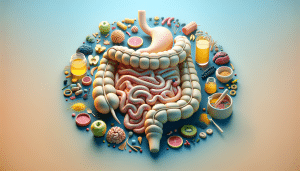
Nutrition Tips That Support Energy Levels
Lucia Fernandez October 7, 2025
In 2025, the demand for consistent daily energy has never been higher. From busy professionals and students to parents and athletes, everyone is looking for ways to stay alert and productive without relying on endless cups of coffee. The solution lies in adopting nutrition tips that support energy levels, which focus on fueling the body in sustainable, science-backed ways.
Unlike quick fixes like energy drinks or sugar-loaded snacks, balanced nutrition helps regulate blood sugar, improve cognitive function, and prevent fatigue. By understanding how specific foods, hydration, and timing affect the body, people can create routines that power them through the day with clarity and stamina.

Why Nutrition Is Key to Energy
Energy comes from more than calories—it depends on nutrient balance, metabolism, and even gut health. A Harvard Medical School review (2024) found that diets rich in whole foods, lean proteins, and healthy fats improve both mental focus and physical endurance. Poor diets high in sugar and processed foods, on the other hand, often lead to crashes and chronic fatigue.
Key factors influenced by nutrition include:
- Blood sugar stability – Prevents spikes and crashes that drain energy.
- Macronutrient balance – Ensures the body has steady fuel throughout the day.
- Micronutrient intake – Supports cellular function and oxygen transport.
- Hydration – Maintains focus, mood, and physical stamina.
Core Nutrition Tips That Support Energy Levels
1. Eat Balanced Meals
Each meal should include protein, complex carbohydrates, and healthy fats. A breakfast of eggs, avocado, and whole-grain toast offers sustained energy, unlike a sugary pastry that spikes blood sugar.
2. Choose Complex Carbohydrates
Carbs are the body’s main energy source, but the type matters. Whole grains, beans, and sweet potatoes release energy slowly, keeping levels steady throughout the day.
3. Prioritize Protein
Protein keeps you full and supports muscle repair. Adding lean meats, legumes, or tofu to meals reduces fatigue and boosts mental clarity.
4. Include Healthy Fats
Omega-3s from fish, walnuts, and chia seeds support brain health, while monounsaturated fats from olive oil and avocados provide long-lasting fuel.
5. Stay Hydrated
Mild dehydration reduces alertness and can cause headaches. Aim for 2–3 liters of water daily. Herbal teas and water-rich fruits like watermelon also help.
6. Eat Smaller, Frequent Meals
Instead of three large meals, many people benefit from smaller portions every 3–4 hours. This keeps blood sugar stable and prevents energy slumps.
7. Limit Added Sugars
Sugary drinks and snacks give a quick boost followed by a crash. Replace them with fruits, nuts, or dark chocolate for steady energy.
8. Focus on Iron-Rich Foods
Iron carries oxygen in the blood, directly impacting energy. Spinach, red meat, and lentils prevent fatigue caused by low iron levels.
9. Support Gut Health
A balanced gut microbiome influences digestion and nutrient absorption. Probiotics from yogurt or kimchi, paired with fiber-rich foods, enhance energy metabolism.
10. Don’t Skip Breakfast
A nutrient-rich breakfast improves concentration and stamina throughout the morning. Skipping it often leads to overeating later and lower productivity.
Emerging Nutrition Trends in 2025
Functional Energy Foods
Snack bars, beverages, and supplements are being fortified with adaptogens like ashwagandha and ginseng, which support stress resilience and energy.
Plant-Based Energy Boosts
Plant-based diets with legumes, seeds, and whole grains are increasingly popular, offering clean, steady energy while supporting sustainability.
Personalized Nutrition
Wearable tech and apps now provide real-time nutrition tracking, tailoring diets to individual metabolism and activity levels.
Circadian-Aligned Eating
Eating in sync with natural body rhythms—front-loading calories earlier in the day—has been shown to improve energy balance.
Practical Daily Energy Meal Plan
- Breakfast: Overnight oats with chia seeds, blueberries, and almond butter.
- Snack: Apple with peanut butter.
- Lunch: Quinoa salad with grilled chicken, spinach, and olive oil.
- Snack: Greek yogurt with walnuts.
- Dinner: Salmon, roasted sweet potatoes, and steamed broccoli.
- Hydration: Water and herbal teas throughout the day.
This type of plan balances macronutrients, boosts brain function, and prevents energy dips.
Benefits of Following Energy-Focused Nutrition
Adopting nutrition tips that support energy levels creates measurable improvements:
- Steadier energy and fewer mid-day crashes.
- Enhanced focus, memory, and problem-solving.
- Improved mood and stress resilience.
- Better physical stamina and recovery.
- Long-term health benefits, including lower risk of chronic disease.
Conclusion
In 2025, energy is not about shortcuts but sustainable habits. By following nutrition tips that support energy levels, individuals can build routines that power their days with consistency and vitality.
From eating balanced meals and choosing complex carbs to staying hydrated and supporting gut health, these strategies prove that energy is a reflection of lifestyle choices. Consistency, not quick fixes, is the foundation of lasting performance.
References
- Harvard Medical School. (2024). How diet affects energy and performance. https://www.health.harvard.edu
- Mayo Clinic. (2024). Nutrition strategies for sustained energy. https://www.mayoclinic.org
- Healthline. (2024). Top foods to boost daily energy levels. https://www.healthline.com
- Forbes. (2024). The rise of functional foods for energy in 2025. https://www.forbes.com
- WebMD. (2024). Nutrition tips for mental clarity and stamina. https://www.webmd.com

 Smart Home Innovations That Save Time and Energy