Smart Finance Practices That Simplify Daily Budgeting
Nathan Cole October 1, 2025
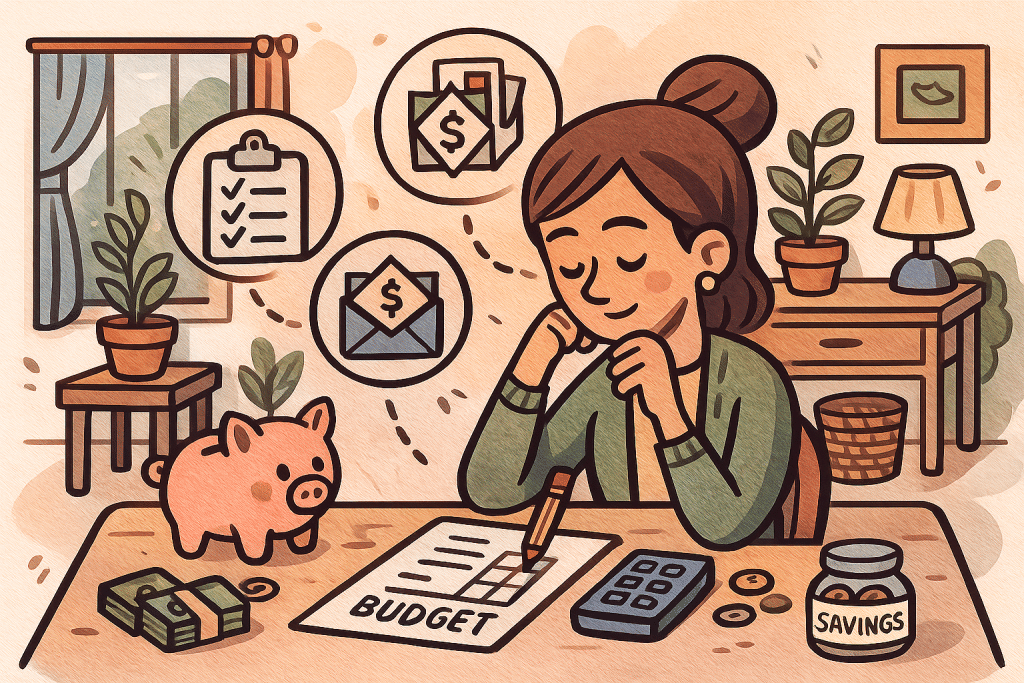
In 2025, managing day‑to‑day spending is no longer just about writing down numbers or using static spreadsheets. With new smart finance tools and behavioral strategies, smart finance practices that simplify daily budgeting are becoming more accessible, automated, and flexible — helping people stay on track without feeling burdened.
The Rise of AI‑Powered Budgeting Tools
One of the most talked‑about trends is embedding artificial intelligence into budgeting apps. AI now analyzes your spending habits, income cycles, and recurring expenses to offer adaptive budgets rather than rigid templates. The global smart budgeting app market is projected to grow rapidly, driven by features like real‑time expense tracking, predictive insights, and automated savings suggestions.
These AI tools do more than categorize transactions. They can forecast upcoming bills, warn you of irregular spending patterns, and flag categories where you might overshoot. As fintech adoption grows, integrating AI into personal finance is reshaping how daily budgeting works.
What to Look for in AI Budget Apps
- Real-time transaction sync and categorization
A strong budgeting app should automatically connect to your bank and credit accounts, categorizing transactions the moment they happen. This eliminates the hassle of manual tracking and gives you an up-to-date picture of your finances. - Predictive expense forecasting
The newest AI tools don’t just show you what you’ve already spent — they anticipate future expenses based on your habits. By spotting patterns, these forecasts help you plan ahead for bills, lifestyle spending, and even seasonal costs. - Smart alerts (e.g. “You’re trending over budget in groceries”)
Instead of waiting until you overspend, AI-driven alerts nudge you in real time. Whether it’s warning you about a growing subscription list or flagging rising grocery costs, these notifications provide early intervention to keep your budget balanced. - Automation (round-ups, transfers, bill negotiation)
Good apps take action on your behalf by automating savings transfers, rounding up purchases into savings accounts, or even negotiating bills. This reduces decision fatigue and makes consistent financial progress happen in the background.
Many users see real value: surveys suggest that budgeting apps, when consistently used, can help people maintain better control over spending and reduce waste. Beyond basic tracking, these apps also encourage long-term financial discipline by setting achievable goals, monitoring progress, and offering personalized recommendations that adapt as your lifestyle or income changes.changes.
Digital Envelope Systems: Cash Stuffing 2.0
The old “cash envelope” method — dividing physical cash into envelopes for groceries, entertainment, etc. — has gone digital. Modern apps replicate this discipline by creating “virtual envelopes” or sub‑accounts tied to your checking account. If you attempt to spend beyond the amount allocated, the system may decline or warn you.
For example, apps like Qube Money (and others) give you a limited balance within each digital envelope, enforcing the discipline of cash budgeting without carrying actual cash. This combines psychological accountability with modern convenience.
Micro‑Savings and Subscription Audits
Small automatic savings (micro‑savings) is another trend that works well with daily budgeting. Apps now round up your transactions to the nearest dollar and deposit the extra change into a savings bucket. Over time, those bits add up without feeling like a sacrifice.
At the same time, subscription audits are becoming a regular practice. Many people underestimate how much they’re spending on recurring services. Tools like Rocket Money help identify, cancel, or renegotiate subscriptions you don’t use. Together, micro‑savings plus pruning excess subscriptions give your daily budget breathing space.
Zero‑Based Budgeting Gains Fresh Momentum
Zero‑based budgeting (ZBB) — assigning every dollar a job so that income minus expenses equals zero — is seeing renewed attention. Media coverage notes that more people are adopting this method to regain control over their finances.
Apps such as You Need A Budget (YNAB) are built around zero‑based principles, and their user base remains enthusiastic. With a zero‑based mindset, every incoming dollar is allocated to categories like bills, savings, and spending, which helps eliminate leftover ambiguity.
Handling Irregular Income and Side Hustles
With gig economy and flexible work growing, many people face fluctuating income. Budgeting daily in that context calls for special strategies:
- Keep separate accounts for primary vs. side income
- Use a running “buffer” fund for months when pay is lower
- Allocate a fixed percentage of gig earnings to taxes, expenses, and savings
- Use accounting tools like Wave or QuickBooks Self‑Employed for clean tracking
These practices ensure your daily budget doesn’t collapse in lean weeks or overextend during windy ones.
Behavior Design: Nudge Your Budgeting Habits
Smart financial tools succeed only when behaviors change. Behavioral economics suggests visual cues, reminders, and small rewards improve adherence. Using progress bars, color codes (red = overspending), and “cooldown” prompts before making discretionary purchases helps prevent impulsive outflows.
For instance:
- Trigger an alert before each nonessential purchase: “This adds X dollars over your weekly limit.”
- Use streaks or gamified rewards for meeting daily or weekly budget goals
- Visual dashboards showing how close you are to overspending
These nudges help keep daily budgeting consistent and less stressful.
Example: A Day Using Smart Finance Practices
Here’s how these practices might play out in a day:
- Morning: App forecasts your “safe spend” amount for the day based on income and upcoming bills
- Midday: You make a lunch purchase; the app rounds up and moves the difference to savings
- Afternoon: You check a notification — you’re about to hit your entertainment envelope, so the app suggests an alternative
- Evening: You run a subscription audit — the app flags a service you forgot, and you cancel it
- End of day: You see a visual summary — green for on track, red if near limit
Every step is supported by automation, nudges, and clear visualization.
Risks, Trade‑offs, and What to Watch
- Over-reliance on automation can hide the “feel” of money—don’t lose touch with your spending
- AI predictions are only as good as your data — missing transactions or cash spending can mislead
- Virtual envelope declines may lead to frustration or forced workarounds
- Privacy and data security remain key — only use apps with strong encryption and user control
Final Thoughts
In 2025, smart finance practices that simplify daily budgeting are more than convenience tools — they’re behavior‑driven systems that support discipline without feeling restrictive. Whether through AI insights, digital envelopes, micro‑savings, or zero‑based methods, these new practices transform budgeting from a chore into a living routine.
Adopting one or more of these trends can help you build a daily budgeting habit that adapts to your life, not the other way around.
References
Academy Bank. (2023). Why Budgeting Apps Are Gaining Popularity in Personal Finance. Available at: https://www.academybank.com/article/why-budgeting-apps-are-gaining-popularity-in-personal-finance (Accessed: 1 October 2025).
My Financial Goals. (2024). Leveraging Financial Technology: How Apps for Budgeting, Expense Tracking, and Investing Are Revolutionizing Personal Finance. Available at: https://www.myfinancialgoals.org/blog/leveraging-financial-technology-how-apps-for-budgeting-expense-tracking-and-investing-are-revolutionizing-personal-finance (Accessed: 1 October 2025).
The Guardian. (2024). ‘Every Penny Has a Purpose’: The Rise of Zero-Based Budgeting. Available at: https://www.theguardian.com/money/2024/apr/20/every-penny-has-a-purpose-the-rise-of-zero-based-budgeting (Accessed: 1 October 2025).

 DIY Home Projects That Add Style and Function