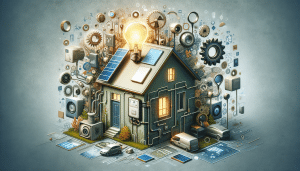
Smart Home Ideas That Improve Daily Efficiency
Giulia Bianchi September 19, 2025
Smart home ideas that improve daily efficiency are no longer futuristic—they’re here, shaping how we live, save time, and stay comfortable. From AI-powered assistants to energy-efficient appliances, these innovations are redefining everyday routines.
The Rise of AI-Powered Smart Assistants
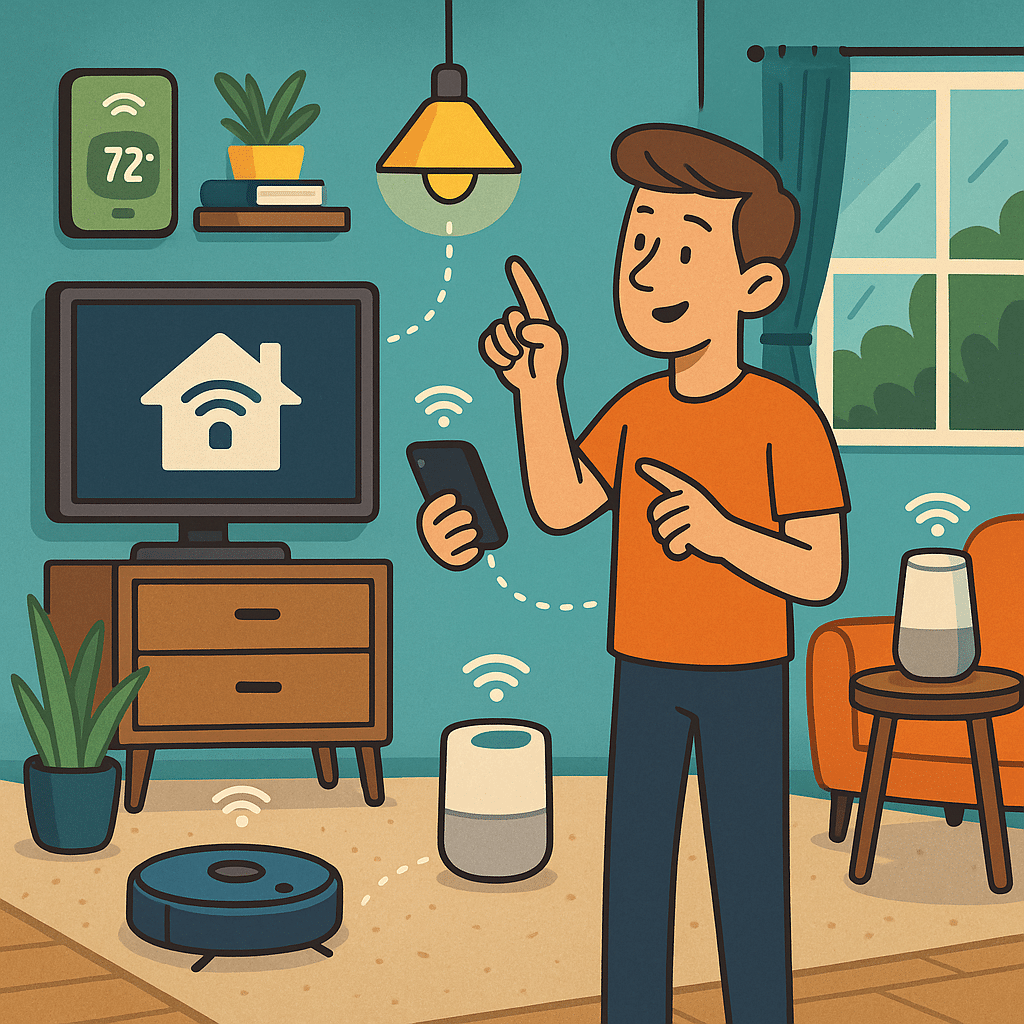
Smart assistants like Amazon Alexa, Google Assistant, and Apple’s Siri have become the cornerstone of efficient homes. They don’t just answer questions; they automate daily tasks—controlling lighting, managing schedules, and even monitoring security systems. According to a Pew Research survey, over 46% of U.S. adults now use voice assistants for daily tasks (Pew Research Center 2022).
Why it matters:
- Automates repetitive tasks (reminders, alarms, shopping lists).
- Enhances accessibility for elderly or disabled users.
- Integrates seamlessly with other smart devices.
Smart Thermostats: Comfort Meets Savings
Heating and cooling account for nearly 50% of a typical household’s energy consumption (U.S. Department of Energy 2023). Smart thermostats like Nest or Ecobee learn your routines and adjust temperatures accordingly.
Benefits include:
- Energy savings of up to 10–15% annually (Energy Star 2023).
- Remote control through smartphone apps.
- Voice assistant integration for hands-free adjustments.
Smart Lighting for Mood and Efficiency
Lighting plays a big role in comfort and productivity. Smart LED systems such as Philips Hue allow users to set schedules, adjust brightness, and switch colors depending on the activity.
Key advantages:
- Energy-efficient LEDs consume 75% less energy than traditional bulbs (U.S. Department of Energy 2022).
- Automatic schedules save time and reduce unnecessary usage.
- Scene-setting enhances work focus or relaxation at home.
Security Innovations: Beyond Traditional Alarms
Home security is evolving beyond locks and alarms. AI-enabled cameras and smart doorbells like Ring provide real-time monitoring with motion detection.
Why it’s trending:
- Remote access via mobile devices.
- Package theft prevention through smart doorbell alerts.
- Growing demand: the global smart security market is projected to reach 75.6 billion dollars by 2028 (Statista 2023).
Smart Kitchens: Efficiency in Meal Prep
Kitchen automation is making meal preparation less time-consuming. From smart ovens that suggest cooking times to connected fridges that track expiration dates, the kitchen is becoming a hub of convenience.
Examples include:
- Smart coffee makers that sync with your morning alarm.
- Refrigerators that create shopping lists.
- AI-powered cooking assistants offering personalized recipes.
Robot Vacuums and Cleaning Solutions
Cleaning no longer requires manual effort. Robot vacuums like iRobot Roomba and Roborock use AI navigation to clean efficiently, while some models even mop floors.
Efficiency highlights:
- Time-saving: cleans while you’re away.
- Advanced mapping reduces missed spots.
- Increasingly affordable with entry models under 200 dollars.
Smart Health Devices at Home
The integration of health monitoring into daily routines is no longer a futuristic vision—it’s happening now in millions of households. From connected scales that track body composition to wearable devices that monitor heart rhythms 24/7, smart health technology is reshaping how people take charge of their well-being.
What makes these devices so powerful is their ability to seamlessly sync with home assistants and mobile apps, giving users a real-time, personalized overview of their health. Products like Withings smart scales and Fitbit smartwatches don’t just measure steps or weight; they provide actionable insights into cardiovascular health, calorie burn, and even hydration levels (Thomas and Tian 2021). Smart beds now track sleep stages, ensuring that users wake up at the optimal time for maximum energy, while connected blood pressure cuffs can instantly share data with doctors through secure platforms.
Use Cases Driving the Adoption of Smart Health Devices
- Early detection of irregular heart rates: Devices with ECG features can identify anomalies that may point to atrial fibrillation, helping prevent strokes before they happen (Abu Salem, Gemail and Nosair 2021).
- Sleep tracking with smart beds: Advanced mattresses monitor breathing patterns, heart rate variability, and restlessness to offer tailored sleep improvement plans.
- Personalized health recommendations: AI integration takes raw data and translates it into practical advice, like suggesting daily activity goals, dietary adjustments, or guided breathing exercises.
The affordability of these tools is also expanding access. While traditional hospital monitoring can cost hundreds per visit, many of these devices are available for under 100 dollars, making proactive healthcare more accessible than ever. Some insurance providers are beginning to cover smart health devices as preventive care, recognizing their role in reducing long-term healthcare costs.
Future of Smart Homes: Interconnected Ecosystems
The future lies in interoperability—where all devices, from security to entertainment, work seamlessly. Matter, a new industry standard supported by Apple, Google, and Amazon, aims to unify smart home ecosystems. This ensures compatibility and simplifies setup (Connectivity Standards Alliance 2023).
Practical Steps to Get Started with Smart Home Ideas That Improve Daily Efficiency
Start small – Install a smart speaker or thermostat.
The best way to step into the world of smart homes is by beginning with a single device that instantly simplifies daily routines. A smart speaker allows you to control other devices with just your voice, while a thermostat helps cut energy bills by automatically adjusting the temperature to your habits (Energy Star, 2022).
Expand gradually – Add lighting, cameras, or appliances.
Once you’re comfortable, start layering more features. Smart lighting lets you schedule brightness, save electricity, and even set moods for productivity or relaxation. Adding security cameras enhances safety, while smart kitchen appliances can shave minutes off cooking or cleaning. Research shows that households adopting multiple devices can save up to 30 minutes a day in routine tasks (TechRadar, 2023).
Focus on compatibility – Ensure devices support Matter or your chosen ecosystem.
One common mistake beginners make is buying devices that don’t “talk” to each other. Look for compatibility with Matter—a new industry standard designed to unify devices across Amazon Alexa, Google Home, and Apple HomeKit. This ensures your setup remains future-proof, flexible, and avoids the frustration of juggling multiple apps.
Prioritize security – Use strong passwords and enable two-factor authentication.
As your home gets smarter, protecting your data becomes critical. Always use unique, strong passwords for each device and enable two-factor authentication where available. This small step prevents unauthorized access and keeps your household safe. Security experts recommend routine software updates to close vulnerabilities that hackers might exploit (Cybersecurity & Infrastructure Security Agency, 2022).
Conclusion
Smart home ideas that improve daily efficiency aren’t just about convenience—they’re transforming how we live, save energy, and enhance comfort. With AI-driven automation, energy-smart appliances, and secure ecosystems, the modern home is evolving into a more connected and sustainable space.
References
- Energy.gov. (2021) Benefits of Smart Home Technology. Available at: https://www.energy.gov/energysaver(Accessed: 18 September 2025).
- Statista. (2023) Smart Home – Worldwide: Market Revenue 2017-2027. Available at: https://www.statista.com/outlook/ (Accessed: 18 September 2025).
- Forbes. (2022) 10 Ways Smart Home Devices Are Improving Everyday Life. Available at: https://www.forbes.com/home-improvement(Accessed: 18 September 2025).

 Travel Experiences That Encourage Personal Growth