Smart Ways You Can Transform Small Spaces at Home
Giulia Bianchi October 30, 2025
Unlock the secrets of maximizing every square foot by using creative storage solutions, clever décor, and proven layout strategies. Explore how simple changes can transform cramped rooms into welcoming, functional spaces—and discover why small-space living is more popular than ever.
Embracing the Potential of Small Spaces
Many believe that small spaces limit comfort and style, but today’s interior design landscape proves otherwise. With the rise of compact living, demand for smart, space-saving ideas continues to grow. Urban dwellers, tiny home enthusiasts, and apartment occupants all benefit by applying multifunctional furniture and creative layout tricks into everyday life. Maximizing small rooms doesn’t mean sacrificing beauty or convenience. Instead, it encourages homeowners to curate surroundings more intentionally, focusing on function, light, and multipurpose furnishings. The journey towards efficient small-space living starts with recognizing potential in even the tightest quarters.
The minimalist trend is on the rise as more people look to declutter and downsize, seeking calm and clarity in their living spaces. Small homes lend themselves to a more mindful way of life. When every item must earn its place, clutter is reduced and daily routines become more streamlined. Design choices such as open shelving, light wall colors, and strategic use of mirrors make even the most compact rooms appear spacious and bright. Such solutions not only improve aesthetic value but also promote organization and ease.
Transitioning to a small-home mindset means changing how every available inch is used. Challenging as it may seem, it leads to impressive results. Adopting this approach has inspired communities and homeowners to embrace green living, reduce unnecessary possessions, and find satisfaction in thoughtful design. It’s no wonder small-space tutorials and inspirational stories continue to trend across social media and home improvement sites, underlining the ongoing popularity of versatile, carefully styled interiors.
Maximizing Storage Without Sacrificing Style
Storage is undeniably a top concern in small homes. Fortunately, modern storage solutions combine form and function better than ever. Consider vertical shelving, wall-mounted racks, and under-bed drawers which allow easy access while preserving floor space. Multi-use furniture, like ottomans with hidden compartments or extendable dining tables, can adapt as needs change and spaces transform. Incorporating hidden storage helps keep essentials nearby and clutter out of sight, offering both convenience and a clean design aesthetic. According to home organization experts, prioritizing vertical space can double a room’s storage capacity.https://www.bhg.com/homekeeping/organization/storage/small-space-storage-ideas/
Closet organizers and flexible shelving systems optimize small wardrobes or compact entryways. These systems, often adjustable or modular, grow with changing storage needs. Baskets and bins, particularly in natural materials, bring warmth to the home while providing a practical way to group household necessities. Magnetic strips, pegboards, or hooks work wonders in kitchens and bathrooms, offering easy-to-reach storage for utensils and accessories. Successful small-space storage means giving every item a designated home while blending seamlessly with overall design.
Underutilized areas, such as the backs of doors, open corners, or even stair risers, present innovative storage opportunities. Custom solutions—like built-in benches with cubbies or recessed shelving—let you use architectural features to full advantage. Creating zones within rooms, especially open-plan layouts, clarifies the function of each space and makes organizing belongings more intuitive. Homeowners discover both increased comfort and effortless tidiness through these thoughtful storage strategies.
Creating Light and Flow in Compact Rooms
Lighting has an extraordinary impact on the perception of space. Well-lit small rooms instantly feel larger, more open, and more welcoming. Start by maximizing natural light: place mirrors opposite windows, use sheer curtains, and avoid blocking views with heavy furniture. Strategically placed lamps and layered lighting options—like sconces, recessed lights, or string lights—provide additional brightness without overwhelming the area. Studies show that balanced lighting contributes to both mood and productivity.https://www.energy.gov/energysaver/lighting-choices-save-you-money
A cohesive color palette enhances the sense of spaciousness. Lighter hues such as whites, soft grays, and pastel tones reflect light, enlarging even windowless nooks. Accent colors, when used sparingly, create visual interest without overcrowding. Glass and acrylic furnishings, as well as open-frame shelving, reduce visual weight and allow light to travel freely. These choices elevate the ambiance while supporting the clean lines and open feel prized in modern small homes.
Layout also affects flow. Arrange furniture to guide movement around the room and avoid creating barriers. ‘Floating’ pieces away from the wall can trick the eye, making a room appear wider. Rugs help to define zones in open spaces, providing both texture and an organizational boost. With these tactics, small homes can feel anything but claustrophobic.
Choosing Furniture for Small-Space Living
Furniture can transform a tiny room into a cozy retreat or multifunctional powerhouse. When shopping, prioritize multi-purpose pieces—sofas that convert into beds, nesting tables, or desks that fold flat against the wall. This flexibility ensures rooms are ready for work, relaxation, or entertaining, even if space is limited. Material choice also matters: lightweight or visually ‘airy’ materials such as metal or glass prevent the room from feeling crowded.https://extension.psu.edu/choosing-furniture-for-your-home
Scale is crucial. Oversized sofas or bulky cabinets can overpower a space, making it seem even smaller. By contrast, compact sectionals, armless chairs, or slender bookshelves support maximum comfort without clutter. Look for modular furniture that can be reconfigured as needs shift over time. Stackable stools and folding chairs prove invaluable for occasional guests, and can be tucked out of sight when not needed.
Color and texture unify furniture with overall décor. Maintaining consistency in tone or material creates harmony and avoids visual overload. Some designers recommend transparent or mirrored pieces to further open up narrow rooms. Ultimately, small-space furniture should support your lifestyle, providing adaptability while anchoring the room’s aesthetic.
Decor Tricks to Add Personality and Depth
Small spaces offer surprising opportunities to showcase personality through décor. Gallery walls, bold textiles, or statement art pieces deliver impact without taking up valuable square footage. Vertical arrangements—whether of art, plants, or shelving—draw the eye upward and create a feeling of spaciousness. Personal collections, displayed neatly, give a sense of home while doubling as conversation starters.https://www.architecturaldigest.com/story/decorating-tiny-apartment
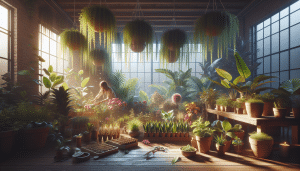
Lush houseplants enliven interiors and promote well-being, making them a favorite among urban gardeners and apartment dwellers. Wall-mounted planters, hanging baskets, or shelf-top arrangements fill empty corners with life and color. Removable wallpaper, peel-and-stick tiles, or creative paint designs introduce personality without the permanence—or mess—of big renovations. Each small tweak can transform the feel of a room instantly.
Mirrors and metallic accents capitalize on available light and increase visual interest. Swap out standard hardware for vintage knobs, or layer plush throws and cushions for warmth in cooler months. Such approachable decorating fixes produce dramatic change, all without expanding your home’s footprint. Embracing small-scale design means every choice counts.
Outdoor Living Expansion for Tiny Homes
Patios, balconies, and even windowsills serve as natural extensions to compact homes. These outdoor areas—no matter their size—add crucial square footage for relaxation, dining, or gardening. Flexible furnishings, like foldable bistro sets or stackable stools, can be brought outside as needed. Outdoor rugs, string lights, and planters transform unused corners into welcoming retreats. Small-scale landscaping ideas maximize potable or vertical gardening by layering herbs, flowers, or vegetables in containers and vertical gardens.https://extension.umn.edu/flowers-design/outdoor-rooms
Privacy is easy to achieve with screens, trellises, or tall pots filled with greenery. In apartments, adding railing planters or an herb box can bring the joys of gardening to even the smallest balcony. These simple upgrades support well-being, create shade, and boost curb appeal—without requiring extensive space or investment. The result: a seamless connection between indoor comfort and outdoor enjoyment.
Lighting, textiles, and weather-resistant décor are finishing touches for outdoor rooms. Solar-powered lanterns provide eco-friendly illumination, while washable cushions and throws keep seating both comfortable and stylish. By integrating indoor and outdoor environments, homeowners further expand available space and create a personal oasis—even in the heart of the city.
References
1. Better Homes & Gardens. (n.d.). Small-Space Storage Ideas. Retrieved from https://www.bhg.com/homekeeping/organization/storage/small-space-storage-ideas/
2. U.S. Department of Energy. (n.d.). Lighting Choices to Save You Money. Retrieved from https://www.energy.gov/energysaver/lighting-choices-save-you-money
3. Pennsylvania State University Extension. (n.d.). Choosing Furniture for Your Home. Retrieved from https://extension.psu.edu/choosing-furniture-for-your-home
4. Architectural Digest. (n.d.). 17 Decorating Tricks for the Tiniest of Apartments. Retrieved from https://www.architecturaldigest.com/story/decorating-tiny-apartment
5. University of Minnesota Extension. (n.d.). Outdoor Rooms. Retrieved from https://extension.umn.edu/flowers-design/outdoor-rooms
6. University of Minnesota Extension. (n.d.). How to Plan, Renovate, Remodel, or Add to Your Home. Retrieved from https://extension.umn.edu/housing/how-plan-renovate-remodel-or-add-your-home

 Cloud Computing Trends You Need to Watch