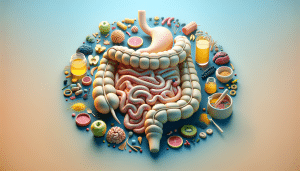
Surprising Ways Nutrition Impacts Your Gut Health
Lucia Fernandez November 6, 2025
Dive into the fascinating world of gut health and nutrition. Discover how dietary habits, probiotics, and fiber-rich foods can shape your digestive wellness, influence mood, and support immunity. This comprehensive guide reveals key science-backed insights on optimizing your gut for a healthier life.
Understanding the Gut Microbiome
The gut microbiome refers to the trillions of microorganisms living in the digestive tract. These microbes include bacteria, viruses, and fungi, all working together to support digestion and nutrient absorption. Scientific research highlights how a balanced microbiome is linked with proper digestive function and can even influence mental wellbeing. People often do not realize just how much these tiny organisms affect overall health on a daily basis.
Many factors shape the gut microbiome, including genetics, lifestyle, and most importantly, nutrition. A diverse diet rich in whole grains, fruits, and vegetables helps support a greater variety of healthy bacteria. This diversity is key to protecting against pathogens and lowering the risk of gastrointestinal issues like bloating or constipation. Studies continue to uncover just how intricate and sensitive the gut ecosystem is to what we eat.
Disruption in the balance of gut bacteria, known as dysbiosis, may increase the likelihood of digestive disorders, allergies, and even autoimmune conditions. Addressing gut health goes beyond just digestion—it touches upon immunity, weight regulation, and even cognitive processes. Focusing on foods that promote gut balance can introduce surprising improvements in many aspects of health, according to health professionals (Source: https://www.ncbi.nlm.nih.gov/pmc/articles/PMC5641835/).
The Role of Fiber in Digestive Wellness
Fiber is often mentioned as essential for digestive health, but its effects extend far beyond simple digestion. Dietary fiber comes in two main types: soluble and insoluble. Soluble fibers form a gel-like substance in the gut, slowing digestion and helping regulate blood sugar. Insoluble fiber, meanwhile, adds bulk to stool and encourages regular bowel movements, reducing the chance of constipation. Both types are crucial for maintaining gut motility and comfort.
Foods high in fiber, such as legumes, whole grains, fruits, and vegetables, actually feed the beneficial bacteria in the gut. These prebiotic fibers ferment in the large intestine, producing short-chain fatty acids (SCFAs) as byproducts. SCFAs help lower inflammation, support the integrity of the gut lining, and are linked to a lower risk of chronic disease. Increasing fiber intake can gradually foster a healthier and more resilient gut microbiome over time.
Too little fiber in the diet may cause sluggish digestion, higher cholesterol, and impaired glucose regulation. In contrast, a fiber-rich diet can enhance digestive comfort and may offer protective effects against colon cancer. Exploring different sources of fiber and increasing them gradually is a practical step for those looking to nurture their digestive system naturally (Source: https://www.hsph.harvard.edu/nutritionsource/carbohydrates/fiber/).
Probiotics and Fermented Foods
Probiotics are live microorganisms, often called ‘good bacteria,’ that provide health benefits when consumed in adequate amounts. They can be found in fermented foods such as yogurt, kefir, sauerkraut, kimchi, and miso. These foods have a long history in various cultures, and their positive impact on digestive health is well-documented. Incorporating probiotics may help restore gut balance, particularly after a course of antibiotics.
Each probiotic strain serves a unique function in the gut. Some support immune defense, while others help in the breakdown of lactose or reduce symptoms of irritable bowel syndrome (IBS). The digestive tract thrives on a combination of probiotic-rich foods and a diet that supports their growth—including fiber and polyphenol-rich produce. These functional foods are a natural, non-pharmaceutical way to support microbiome diversity and resilience.
Though many supplements are marketed as digestive supports, real foods offer a wider array of strains and additional nutrients. Fermented foods also have vitamin B12, vitamin K, and various enzymes, amplifying their health benefits. For many individuals, regularly including these foods can result in better digestion, fewer gastrointestinal complaints, and even improved mood balance, according to emerging research (Source: https://www.mayoclinic.org/drugs-supplements-probiotic/art-20390058).
The Gut-Brain Connection
The gut and brain are deeply interconnected through what’s known as the gut-brain axis. This communication network involves nerves, hormones, and immune signals traveling between the digestive tract and the central nervous system. When gut bacteria thrive, signaling molecules like serotonin are better regulated. Surprisingly, a majority of the body’s serotonin is actually produced in the digestive system!
Poor gut health may correlate with increased rates of anxiety and mood fluctuations. Gut dysbiosis can send stress signals to the brain, influencing how stress is managed and even affecting sleep quality. It’s still a growing area of study, but dietary strategies that support gut flora have also been shown to support emotional wellbeing. Eating with gut health in mind becomes a holistic approach to daily self-care.
This connection between your plate and your mood is gaining mainstream recognition. Focusing on fiber, fermented foods, and antioxidant-rich items can foster both a peaceful mind and healthy digestion. Researchers continue to uncover the full extent of how the gut-brain axis shapes everyday experiences (Source: https://www.hopkinsmedicine.org/health/wellness-and-prevention/the-brain-gut-connection).
Dietary Triggers and Gut Sensitivities
Not all foods are friendly to gut health. Common dietary triggers include highly processed items, excess sugars, and unhealthy fats. For some, foods like dairy or gluten can also irritate the digestive tract, causing discomfort or inflammation. Identifying food sensitivities can help control symptoms such as gas, bloating, or irregularity through elimination strategies supported by health professionals.
Artificial sweeteners like sorbitol, mannitol, and sucralose have been found to disturb the balance of bacteria in some individuals. Caffeine and alcohol may also have a laxative effect, sometimes causing disruptions to gut rhythm. Over time, repeated irritants may contribute to chronic gut issues if left unaddressed. Understanding one’s unique sensitivities helps fine-tune nutrition for better digestive harmony.
Listening to the body’s signals and tracking potential triggers are easy, proactive steps. For those experiencing persistent symptoms, consulting with a dietitian can open pathways to targeted nutrition plans. The right dietary adjustments, paired with evidence-backed approaches, may bring significant relief and foster smoother digestion (Source: https://www.gastro.org/practice-guidance/gi-patient-center/topic/irritable-bowel-syndrome-ibs).
Gut Health Through the Lifespan
Gut health needs change with age. Infants acquire their first gut bacteria during birth, influenced by factors such as delivery method and breastfeeding. As people mature, dietary variety becomes essential for the microbiome. Children benefit from exposure to a wide range of fruits, vegetables, whole grains, and fermented dairy to build a robust gut function from an early stage.
During adulthood, maintaining an active lifestyle and a plant-forward diet supports both long-term digestive function and overall health. As individuals grow older, issues like reduced stomach acid, slowed digestion, and changes in appetite are more common. Older adults can support their gut by eating small, frequent meals and focusing on easy-to-digest, nutrient-dense foods.
Health conditions or medication use in later life can also alter the microbiome, requiring tailored nutrition approaches. Routine check-ups and an open conversation with healthcare providers help manage gut wellness at every age. By adapting nutrition to the body’s needs throughout life, many can enjoy improved quality of life and more reliable digestion (Source: https://www.cdc.gov/nutrition/index.html).
References
1. Anusha, S., & Shoba, G. (2017). Gut Microbiota: A Key Role in Gut Health and Disease. Retrieved from https://www.ncbi.nlm.nih.gov/pmc/articles/PMC5641835/
2. Harvard T.H. Chan School of Public Health. (n.d.). Fiber. Retrieved from https://www.hsph.harvard.edu/nutritionsource/carbohydrates/fiber/
3. Mayo Clinic. (n.d.). Probiotics. Retrieved from https://www.mayoclinic.org/drugs-supplements-probiotic/art-20390058
4. Johns Hopkins Medicine. (n.d.). The Brain-Gut Connection. Retrieved from https://www.hopkinsmedicine.org/health/wellness-and-prevention/the-brain-gut-connection
5. American Gastroenterological Association. (n.d.). Irritable Bowel Syndrome (IBS). Retrieved from https://www.gastro.org/practice-guidance/gi-patient-center/topic/irritable-bowel-syndrome-ibs
6. CDC. (n.d.). Nutrition. Retrieved from https://www.cdc.gov/nutrition/index.html

 Finding Affordable Housing Options That Fit You