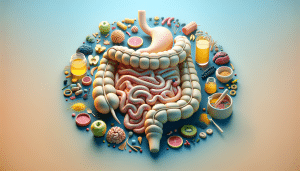
Unlocking the Power of Gut Health for Wellness
Lucia Fernandez September 26, 2025
Explore the intriguing world of gut health and discover how your digestive system plays a vital role in wellness, weight management, immunity, and mental clarity. This guide reveals practical steps and the science behind supporting your gut microbiome naturally.
Understanding Gut Health and Its Importance
Gut health is much more than just digestion; it influences nearly every aspect of bodily wellness. Inside the digestive tract, trillions of bacteria form a complex ecosystem called the gut microbiome. These friendly microbes help break down food, produce essential vitamins, and support immune function. When the gut microbiome is balanced, individuals often experience improved energy, clearer skin, and even steadier moods. However, poor gut health can trigger digestive discomfort, fatigue, and heightened risk of chronic diseases. Recognizing gut health as a cornerstone of well-being is the first step toward developing a holistic approach to care. The link between a healthy gut and long-term vitality is well-supported by recent research and medical insights (https://www.niddk.nih.gov/health-information/digestive-diseases).
There is growing evidence linking the state of the gut microbiome with immune strength and mental health. A balanced gut can communicate with the brain along the gut-brain axis, influencing memory, emotional responses, and stress levels. Studies continue to explore how certain gut bacteria impact the release of neurotransmitters such as serotonin, sometimes called the ‘feel-good hormone.’ Supporting gut health through diet, hydration, daily habits, and mindful eating may improve overall quality of life and resilience against illness (https://www.health.harvard.edu/diseases-and-conditions/the-gut-brain-connection).
Several everyday factors impact gut health, from stress and sleep patterns to the types of foods consumed. Fermented probiotics and prebiotic-rich fibers are integral for maintaining the right proportions of beneficial bacteria. Antimicrobial medications, highly processed diets, and lifestyle stresses can all disrupt this delicate ecosystem, making it essential to prioritize gut-supportive choices. Restoring balance isn’t about perfection but about consistency and informed decisions that support the body as a whole. Adopting an evidence-based wellness strategy is key to harnessing the full power of a healthy gut (https://www.ncbi.nlm.nih.gov/pmc/articles/PMC3577372/).
The Role of Diet in Supporting Gut Wellness
Integrating gut-friendly foods can transform digestive comfort and metabolic balance. Fiber-rich ingredients, such as fruits, vegetables, and whole grains, act as prebiotics, feeding beneficial gut bacteria. These foods encourage microbial diversity, reduce bloating, and regulate bowel habits. Meanwhile, fermented options like yogurt, kefir, sauerkraut, and kimchi introduce probiotics, which help maintain a thriving gut ecosystem. A nutrition plan prioritizing these elements may lower inflammation and foster a robust immune system (https://nutrition.org/nutrition-and-the-gut-microbiome/).
Limiting processed foods, excess sugars, and artificial additives can protect the microbiome’s integrity. These ingredients, common in modern diets, might disrupt the natural balance, favoring harmful bacteria. In contrast, meals emphasizing plant diversity, omega-3-rich fish, and polyphenols from berries or dark chocolate can boost beneficial gut flora. Small dietary adjustments made consistently over time have the potential for significant, lasting impact on digestive health and overall wellness (https://www.todaysdietitian.com/newarchives/110118p36.shtml).
Hydration supports gut function by softening stool, aiding digestion, and helping nutrient absorption. Water and fiber work in tandem to keep things moving smoothly through the digestive tract. Herbal teas like ginger or peppermint can calm occasional indigestion, while reducing carbonated drinks or excessive caffeine may minimize discomfort. A well-rounded dietary foundation sets the stage for a balanced microbiome and long-term comfort.
Lifestyle Habits That Make a Difference
Gut health doesn’t hinge solely on food—it’s shaped by daily routines. Sleep quality and regular movement both influence microbiome diversity, supporting defense against minor illnesses and maintaining mental clarity. Physical activity, such as walking or yoga, gently stimulates digestion and may help reduce stress hormones, contributing to both gut and emotional balance. Prioritizing these elements creates a more resilient system that can handle fluctuations and occasional indulgences (https://www.sleepfoundation.org/physical-health/how-sleep-affects-your-immune-system).
Stress management is a cornerstone of a healthy gut. Chronic tension can affect digestive enzymes, alter gut permeability, and trigger uncomfortable symptoms. Practices like meditation, deep breathing, and adequate relaxation combat these negative effects. Even small, enjoyable activities—like spending time outdoors or creative hobbies—can recalibrate the nervous system and promote a more nurturing gut environment. Encouraging balance in work, rest, and recreation supports sustained wellness.
Quality sleep keeps the digestive system in sync, supporting night-time microbial repair and hormone balance. Disrupted sleep, in contrast, may lead to irregular eating patterns and reduce the body’s capacity to filter out toxins. Building an evening routine, turning off screens, and maintaining a regular bedtime create an environment where the gut can thrive. These lifestyle tweaks hold the key to consistent energy, clearer thinking, and steady mood.
Signs That May Indicate Gut Imbalance
Recognizing symptoms of poor gut health is essential for early intervention. Digestive discomfort, frequent bloating, irregular bowel habits, or unexplained fatigue could reflect gut imbalance. Additionally, some people notice changes in their skin, mood fluctuations, or increased food sensitivities when the microbiome is disrupted. Being attentive to these cues allows for gentle course correction and a more proactive approach to wellness (Source: https://www.aad.org/public/diseases/a-z/rosacea).
Weight changes, immune challenges, and sleep difficulties sometimes trace back to digestive well-being. The gut, often called the ‘second brain,’ plays an underestimated role in influencing how the rest of the body responds to challenges. Monitoring how the body responds to food, energy demands, and daily routines can reveal clues to underlying gut health issues. Documenting symptoms helps identify triggers and track improvement when changes are implemented.
Ultimately, individualized approaches provide the best roadmap. While some people may thrive on high-fiber diets, others with sensitive digestion might require adjustments. Consulting healthcare professionals ensures that strategies chosen to nurture gut health address unique circumstances and complement any existing care plans. Learning to listen to the body unlocks new pathways to balance.
Simple Ways to Support Your Microbiome
Everyday choices make a measurable impact on gut wellness. Adding fermented foods, increasing prebiotic fiber, and rotating food variety nurture a more diverse microbiome over time. Planning colorful, plant-centric meals boosts both flavor and beneficial bacteria. These small habits add up to meaningful, long-term change and are easy to weave into regular routines.
Avoiding unnecessary antibiotics preserves healthy bacteria and reduces the risk of gut imbalance. If antibiotics are prescribed, rebuilding the microbiome with probiotics and a gut-supportive diet encourages recovery. Additionally, limiting artificial sweeteners, certain medications, or highly processed foods can lower the chance of disrupting beneficial microbial communities. Balance, not restriction, drives sustainable improvement.
Staying consistent with gut-friendly habits may yield visible improvement in digestion, mood, and energy. Progress often takes time, but regular support promotes a resilient and adaptable microbiome. Gut wellness, rooted in science, empowers individuals to make informed choices that ripple out across all aspects of daily life, helping to cultivate ongoing vitality and balance.
Gut Health for Mental Wellness and Immunity
The gut-brain connection is a rapidly advancing field in wellness research. Microbes in the digestive tract not only shape mood but also contribute to how the body responds to stress. For some, supporting gut biodiversity provides an additional tool for managing occasional anxiety or low mood. Strategies such as mindful eating, regular meal timing, and probiotic-rich snacks align with optimal mental function.
Research links a robust gut microbiome with a stronger, more adaptive immune response. Beneficial bacteria train immune cells to recognize threats and respond to challenges with precision. This cross-talk, essential for fighting off everyday pathogens, highlights the value of daily choices that bolster microbial diversity. Wellness coaching and simple home routines encourage this vital synergy (Source: https://www.cancer.gov/about-cancer/treatment/side-effects/gut-microbiome-hp-pdq).
Long-term investment in gut health pays dividends in both physical and emotional resilience. Over time, individuals may notice a more stable outlook, easier recovery from seasonal colds, or a newfound sense of lightness. Science continues to uncover new frontiers in how the gut influences everything from cognitive sharpness to the body’s ability to repair. Wellness, when rooted in gut health, is both empowering and within reach.
References
1. National Institute of Diabetes and Digestive and Kidney Diseases. (n.d.). Digestive Diseases. Retrieved from https://www.niddk.nih.gov/health-information/digestive-diseases
2. Harvard Health Publishing. (n.d.). The Gut-Brain Connection. Retrieved from https://www.health.harvard.edu/diseases-and-conditions/the-gut-brain-connection
3. National Center for Biotechnology Information. (2013). Gut microbiota functions: metabolism of nutrients and other food components. Retrieved from https://www.ncbi.nlm.nih.gov/pmc/articles/PMC3577372/
4. American Academy of Dermatology Association. (n.d.). Rosacea. Retrieved from https://www.aad.org/public/diseases/a-z/rosacea
5. Nutrition.org. (n.d.). Nutrition and the Gut Microbiome. Retrieved from https://nutrition.org/nutrition-and-the-gut-microbiome/
6. National Cancer Institute. (n.d.). Gut Microbiome and Cancer Treatment. Retrieved from https://www.cancer.gov/about-cancer/treatment/side-effects/gut-microbiome-hp-pdq

 Interior Design Secrets That Change How You Live