Wellness Practices That Improve Mental Clarity
Lucia Fernandez October 2, 2025
In a world full of constant distractions, clear thinking feels like a luxury. Today, wellness practices that improve mental clarity are becoming central to personal optimization — not just for stress relief, but for sharper focus, emotional resilience, and cognitive longevity. New studies, biohacks, and integrated routines are shaping how people sustain mental clarity in daily life.
The Shift Toward Precision Wellness
Wellness in 2025 is no longer about generic prescriptions. A McKinsey report on future wellness trends identifies functional nutrition and biomonitoring as key growth areas, with consumers placing higher value on practices that deliver cognitive and metabolic feedback, not just feel-good promises. To boost mental clarity, many are turning to data-driven routines rather than relying purely on willpower or ancient traditions.
Here are some of the most discussed and promising wellness practices that improve mental clarity today — complete with how to experiment safely and effectively.
1. Time-Restricted Eating & Intermittent Fasting: Clearing Brain Fog
What’s new in 2025
Intermittent fasting (IF) and time-restricted eating (TRE) are increasingly researched for their cognitive effects. A 2024 systematic review found that TRE/IF may reduce tension, confusion, and overall mood disturbance in participants, hinting at clearer thinking and emotional balance. Meanwhile, a human pilot study from Johns Hopkins observed that fasting improved memory and executive function more strongly than diet changes alone.
How it might help clarity
- Fasting promotes autophagy, reduces inflammation, and may elevate BDNF (a protein supporting brain plasticity).
- Research in mice suggests that fasting can activate dopamine pathways involved in mood regulation.
Practical tips for clarity-focused fasting
- Begin with a mild schedule, e.g. 14:10 (fast 14 hours, eat 10 hours)
- Focus on nutrient density during eating windows
- Monitor cognitive effects (e.g. clarity, mood)
- Avoid combining long fasts with heavy cognitive work early on
While evidence is promising, short-term cognitive results in healthy adults remain mixed.
2. Cold Exposure & Neurohormetic Stimuli
Why cold is trending
Cold-water immersion (CWI) and cold exposure are appearing in wellness trend roundups for 2025, often linked to stress resilience and mood support. Emerging neuroscience suggests that brief cold exposure can reorganize brain connectivity and shift emotional states.
How it influences clarity
- Cold immersion triggers the release of neurotransmitters like dopamine, norepinephrine, and β-endorphins that support alertness and mood regulation.
- A 4-week protocol involving repeated cold-water immersions improved processing speed and sleep quality in participants.
Best practices
- Start with safe exposures (e.g. 30 seconds to 1 minute in cold showers)
- Always warm up gradually afterward
- Be cautious if you have cardiovascular or circulation issues
- Use cold exposure as a complement to other clarity practices, not a standalone fix
Note: Cognitive performance may decline during extreme cold exposure, so context and duration matter.
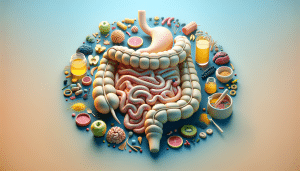
3. Gut-Brain Optimization: Feed the Mind from the Inside
The rising focus
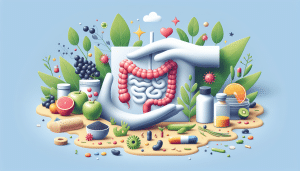
Mental wellness trends in 2025 emphasize granular gut–brain research, with more studies linking specific microbial strains to mood, cognition, and stress response. A growing view is that improving gut health is a foundational move for long-term mental clarity.
Clarity-oriented approaches
- Increase prebiotic and diverse fibers (onions, garlic, legumes, whole grains)
- Add fermented foods (kimchi, kefir, natto, yogurt)
- Limit ultra-processed foods that disrupt microbial diversity
Why this practice helps
The gut produces neurotransmitter precursors, modulates inflammation, and signals to the brain via the vagus nerve. Healthier gut ecology tends to lower mental fatigue and support sharper thinking over time.
4. Resistance Training & Movement That Supports Focus
Why movement matters
Mental clarity isn’t purely about diet or stress hacks — physical activity plays a key role. The Global Wellness Institute’s forecasts point to resistance training as critical for brain health, especially in aging populations. Exercise stimulates blood flow, growth factors, and neural connectivity.
Clarity-focused exercise design
- Include moderate resistance routines 2–3x per week
- Use short “movement breaks” during longer mental tasks
- Try mind–body options like yoga or tai chi to combine motion and focus
Exercise primes the brain for better performance, increases alertness, and reduces cognitive fatigue — all key aspects of mental clarity.
5. “Digital Pause” Frameworks & Sensory Reset Rituals
The clarity challenge of screens
Modern distraction is among the biggest obstacles to mental clarity. Wellness forecasts for 2025 include digital detox and sensory reset as priorities.
Rituals that reset your mind
- Micro-breaks: 60 seconds of silence or deep breathing every 30 minutes
- Periods of sensory fasting: no screens, no input, just internal focus
- Structured offline times (e.g. morning and evening blackout windows)
These pauses give your cognitive system space to recalibrate, improve depth of focus, and reduce mental “static.”
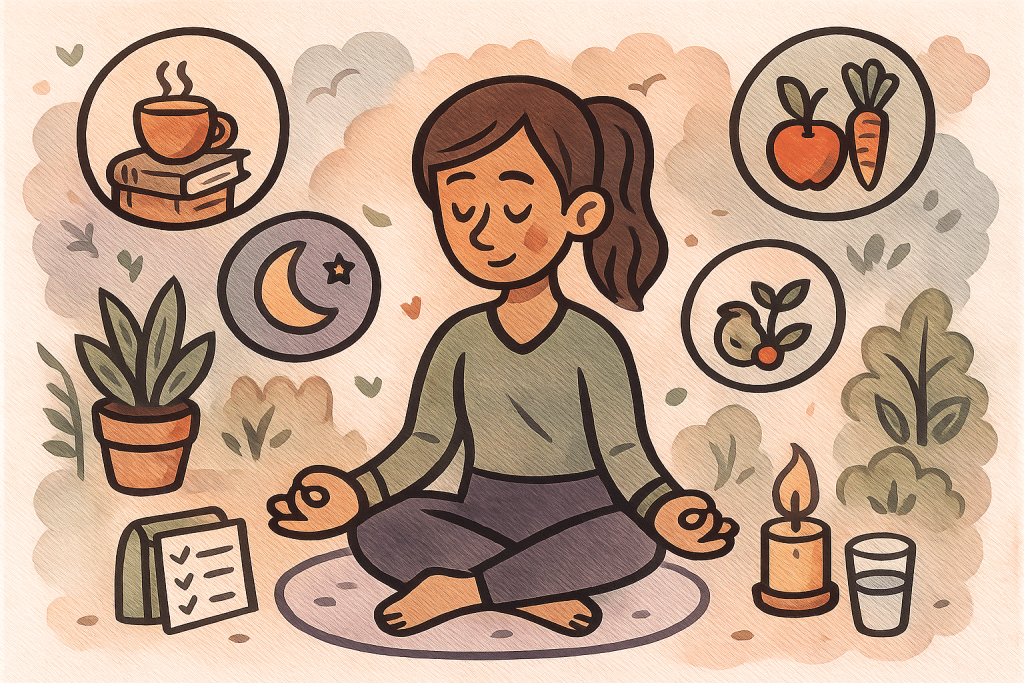
How to Integrate These Practices into One Clarity Routine
| Practice | Starter Strategy | Clarity Focus Benefit |
|---|---|---|
| TRE / IF | Begin with 14:10 or 16:8 windows | Reduce mental fog, improve mood |
| Cold exposure | Short cold showers 30–60 s | Neurotransmitter boost, sharper alertness |
| Gut-health boost | Add fermented + fiber foods | Better brain–gut signaling, reduced inflammation |
| Resistance movement | 20-min session a few times/week | Supports blood flow, BDNF, mood |
| Digital pause | 5-min breaks, screen zoning | Prevents cognitive overload |
Try layering one new element at a time, observing how it affects your clarity, mood, or performance. Adjust as needed — personalization is key for sustainable clarity.
Risks, Misconceptions & What the Science Says
- IF and TRE show promise, but evidence of immediate clarity effects in healthy adults is still inconclusive.
- Cold exposure may offer mood and connectivity benefits in short doses, but extreme cold can impair memory and focus if misused.
- Gut interventions are gradual and part of a broader system — rare to see overnight transformation
- Clarity is multifactorial: sleep, stress, environment, and mental rest all matter
- Always consider personal health constraints and proceed with moderation
Final Thoughts
In 2025, wellness practices that improve mental clarity are becoming both more scientific and more experiential. Practices like intermittent fasting, cold exposure, gut optimization, resistance movement, and digital reset rituals are converging to form clarity-oriented routines that deliver more than simple relaxation. The real promise lies in combining them thoughtfully, monitoring your individual responses, and evolving your regimen over time. Start small, observe what works for you, and let your clarity grow.
References
- Johns Hopkins Medicine. (2024). Pilot study provides blueprint for evaluating diet’s effect on brain health. Available at: https://www.hopkinsmedicine.org/news/newsroom/news-releases/2024/06/pilot-study-provides-blueprint-for-evaluating-diets-effect-on-brain-health (Accessed: 1 October 2025).
- Elle. (2025). Wellness Trends 2025: Cold Exposure, Gut Health, and Mental Clarity. Available at: https://www.elle.com/beauty/health-fitness/wellness-trends-2025 (Accessed: 1 October 2025).
- Global Wellness Institute. (2025). Mental Wellness Initiative: Trends for 2025. Available at: https://globalwellnessinstitute.org/global-wellness-institute-blog/2025/04/02/mental-wellness-initiative-trends-for-2025 (Accessed: 1 October 2025).

 Gardening Techniques That Encourage Seasonal Planting