Wellness Routines That Improve Sleep Quality
Lucia Fernandez September 23, 2025
Sleep is no longer just about rest—it’s about recovery, performance, and overall wellness. New wellness routines that improve sleep quality are gaining momentum, blending neuroscience, natural therapies, and lifestyle shifts. Here’s what’s trending in 2025.
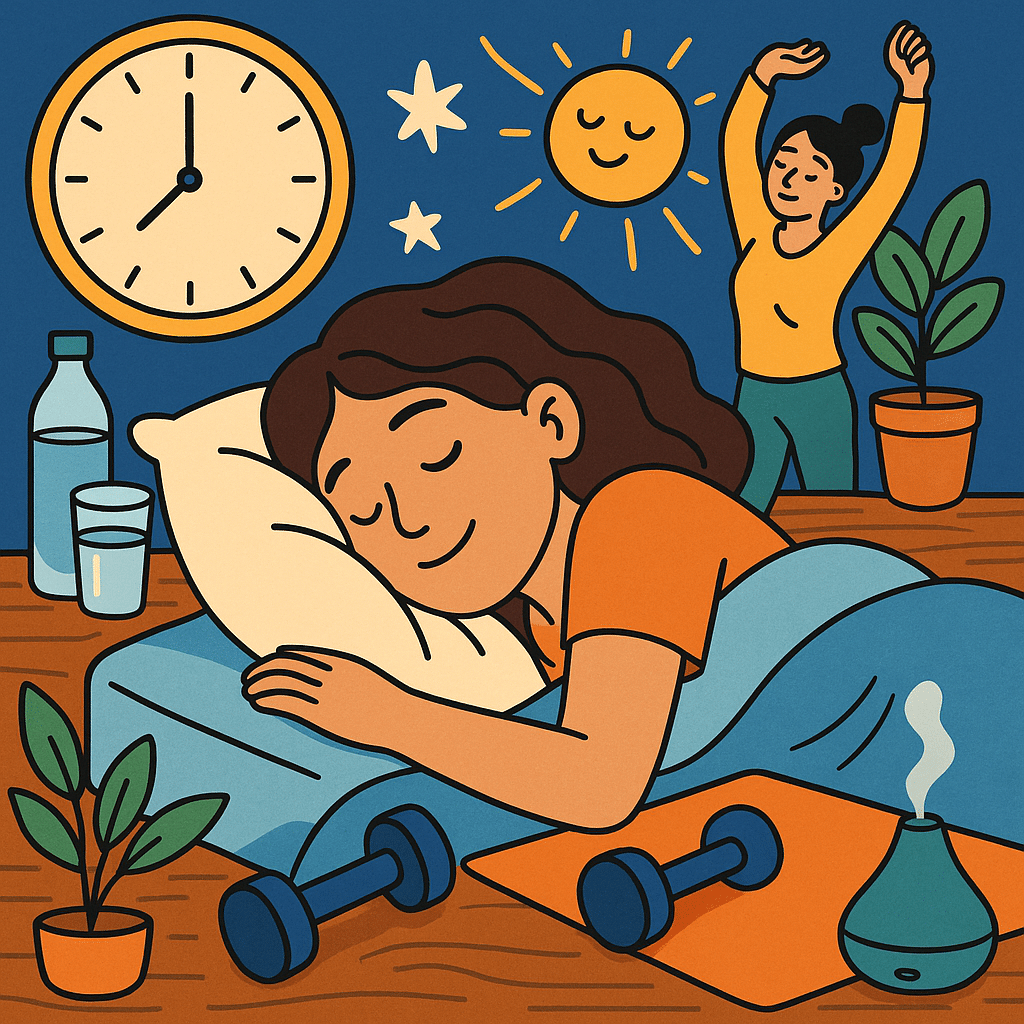
Why Sleep Quality Matters More Than Ever
Quality sleep is linked to lower risks of chronic diseases, stronger immune function, and better cognitive performance (Hirshkowitz et al. 2015). With global stress levels at record highs, the demand for effective, evidence-based routines is exploding.
Hot Trend #1: Circadian Rhythm Training
Resetting your internal clock is one of the most effective wellness routines that improve sleep quality. This involves:
- Morning light exposure: Studies show that just 30 minutes of natural light in the morning regulates melatonin release at night (Harvard Medical School 2020).
- Consistent sleep schedule: Going to bed and waking up at the same time daily enhances deep sleep phases.
- Tech boundaries: Avoiding blue light from screens 1–2 hours before bed can significantly improve sleep latency.
Hot Trend #2: Breathwork and Mind-Body Practices
Breathwork apps and mindfulness practices are trending as sleep tools.
- Box breathing and 4-7-8 breathing activate the parasympathetic nervous system, lowering heart rate.
- A 2022 study found that mindfulness meditation reduced insomnia symptoms by nearly 50% in participants (Black et al. 2022).
Hot Trend #3: Nutrition Timing and Sleep
Wellness experts highlight how nutrition plays into circadian health.
- Magnesium-rich foods (like pumpkin seeds, spinach) are shown to support melatonin production.
- Limiting caffeine after 2 p.m. has been linked to deeper slow-wave sleep (Drake et al. 2013).
- New “sleep-friendly” supplements, combining magnesium, L-theanine, and glycine, are being adopted by wellness enthusiasts.
Hot Trend #4: Thermal Therapy and Sleep Temperature Control
Temperature regulation has quickly become one of the biggest shifts in sleep wellness. Our bodies naturally cool down before bedtime, so helping that process along can make sleep deeper and more restorative.
Keeping bedrooms cooler (around 60–67°F / 15–19°C) has been shown to improve REM sleep and reduce night waking. Athletes and wellness enthusiasts are also using contrast showers—ending a warm rinse with 30 seconds of cold water—to kickstart the body’s cooling response and signal sleep readiness.
On top of that, smart cooling mattresses and toppers are moving into the mainstream. These devices use water or air systems to adjust bed temperature throughout the night, helping sleepers stay in the “ideal zone.” With analysts predicting major growth in 2025, temperature-controlled sleep tech is on track to be one of the biggest players in the wellness market.
Hot Trend #5: Wearables and AI Sleep Coaching
Smart rings and sleep trackers are moving far beyond simple data collection. They’ve evolved into full-on sleep coaches that live on your wrist or finger.
Take the Oura Ring or WHOOP, for example. These devices don’t just track how long you slept—they analyze your recovery patterns and daily behaviors. Each morning, you get a readiness score that tells you how prepared your body is for the day. Instead of generic advice, they’ll nudge you toward specific actions like going to bed 30 minutes earlier, taking a lighter workout day, or focusing on hydration.
Behind the scenes, AI algorithms process metrics like HRV (heart rate variability), resting heart rate, and body temperature trends. This isn’t just about pointing out that you had a restless night. The tech connects the dots between lifestyle habits and sleep quality, then recommends adjustments: earlier wind-down rituals, consistent sleep-wake cycles, or even breathwork routines before bed.
Some platforms now go a step further with integrated coaching apps. These provide personalized bedtime reminders, relaxation exercises, and recovery recommendations. Instead of scrolling through confusing charts, users get actionable guidance—almost like having a digital sleep therapist in their pocket.
This trend is shaping how people think about rest. Instead of treating sleep as passive downtime, wearables are reframing it as something you can train, optimize, and actively improve—just like nutrition or fitness.
Hot Trend #6: Aromatherapy and Scalp Relaxation Rituals
Interestingly, scalp care is entering the sleep wellness space.
- Essential oils like lavender and bergamot are clinically linked to reduced anxiety and improved sleep onset.
- Scalp massages before bed improve blood circulation, reduce tension, and enhance relaxation—a hybrid trend combining beauty and wellness.
Practical Sleep Routine (2025 Edition)
Here’s a step-by-step guide to build your own wellness routine that improves sleep quality:
Morning: Spend 20–30 minutes in natural sunlight. A short walk or sitting by a sunny window helps regulate your body clock.
Afternoon: Skip caffeine after lunch. Swap that late coffee for water or herbal tea so it doesn’t mess with your sleep later.
Evening: Go for a light dinner with magnesium-rich foods like spinach, nuts, or salmon. They relax your muscles and calm the nervous system.
One Hour Before Bed: Try 10 minutes of breathwork or meditation. Simple box breathing or guided audio helps lower stress before sleep.
30 Minutes Before Bed: Take a warm shower, then finish with a quick cold rinse. This drop in body temperature signals your body it’s time to rest.
Bedtime: Massage your scalp with calming essential oils, dim the lights, and keep the room cool (around 65°F/18°C works best).
Night: Put your phone on airplane mode and let a sleep tracker monitor your progress. This keeps distractions away and helps you see what’s working.
The Future of Sleep Wellness
With the rise of biohacking, sleep tech, and functional nutrition, the future of sleep health is merging medical science with accessible daily routines. The next frontier? Personalized genetic-based sleep coaching—where DNA tests recommend customized routines.
Conclusion
Wellness routines that improve sleep quality are evolving rapidly. From circadian training to scalp relaxation rituals, small changes can create massive benefits. The science is clear: better sleep equals better health, and the tools to achieve it are more accessible than ever.
References
- Hirshkowitz, M. (2023) Healthy sleep tips. Available at: https://www.sleepfoundation.org/ (Accessed: 23 September 2025).
- Centers for Disease Control and Prevention (CDC) (2022) Sleep and sleep disorders. Available at: https://www.cdc.gov/ (Accessed: 23 September 2025).
- Harvard Medical School (2021) Sleep and mental health. Available at: https://www.health.harvard.edu (Accessed: 23 September 2025).

 Emerging Marketing Trends in 2025