Gut Health Secrets You May Not Have Considered
Lucia Fernandez November 10, 2025
Uncover how your gut health impacts daily wellness, energy, and even your mood. Delve into the surprising ways diet, lifestyle, and your microbiome could shape not just digestion, but holistic health. Learn practical insights grounded in science to support your optimal well-being—inside and out.
The Gut Microbiome Explained
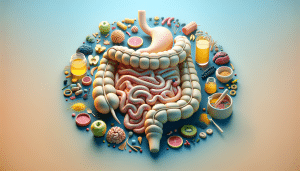
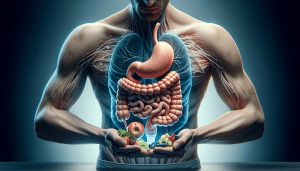
The human digestive tract is home to trillions of microorganisms, collectively referred to as the gut microbiome. These tiny organisms—mostly bacteria—play a crucial role in breaking down food, extracting nutrients, and protecting the body from harmful pathogens. Research increasingly shows that a balanced microbiome supports not only digestion, but may influence moods and metabolism. Connecting with a more vibrant gut environment can seem mysterious at first, yet science points to several key factors that anyone can explore for maintaining harmony.
Microbial diversity is essential for gut health. The wider the range of species in your microbiome, the better your gut can defend against invaders and adapt to dietary changes. Processed foods, frequent antibiotic use, and chronic stress can disrupt this complex ecosystem. Supporting gut diversity means introducing more fiber-rich foods, fermented items, and avoiding unnecessary medications. Simple changes in the pantry may yield long-term benefits for the gut’s balance.
Gut microbiota isn’t just about digestion. The ‘gut-brain axis’ describes the complex communication network between the gut and the nervous system. Research suggests some gut bacteria produce neurotransmitters like serotonin, affecting how people feel and think. When the gut microbiome is disrupted, symptoms such as fatigue, poor concentration, or even low mood can arise. Maintaining a thriving gut environment may translate to more than just physical health but holistic wellness overall.
Foods That Feed Your Gut
Nutrition experts recommend dietary fiber as the foundation for a healthy gut. Foods like beans, lentils, oats, and a spectrum of fruits and vegetables introduce prebiotics—special fibers that act as food for beneficial bacteria. When these bacteria ferment fiber in the colon, they create short-chain fatty acids associated with better gut barrier function and reduced inflammation. Adjusting meal patterns to emphasize whole, plant-rich foods can make a tangible difference over time.
Fermented foods—such as yogurt, kefir, sauerkraut, kimchi, and kombucha—introduce live active cultures, also known as probiotics. These microbes help seed and strengthen the microbiome, potentially offsetting the side effects of antibiotics or dietary lapses. While results vary between individuals, including a variety of fermented foods several times per week allows the gut environment to reset and adapt. This small daily habit may contribute to improved digestion and immune health.
Limiting ultra-processed foods can be just as important as increasing fiber and probiotics. Artificial sweeteners, emulsifiers, and preservatives may harm gut bacteria balance. The modern diet often relies on fast foods or convenience snacks, but frequent consumption of these can deplete microbial diversity. Choosing home-cooked meals, reading ingredient labels, and aiming for colorful plates provide both nutrients and a nourishing environment for your gut flora.
Lifestyle Factors for a Balanced Digestive System
Diet isn’t the only factor impacting gut health; lifestyle choices matter too. Chronic stress, for example, has been linked to changes in microbial populations and increased gut permeability, sometimes called ‘leaky gut.’ Practicing mindfulness, meditation, or simple breathing exercises can help buffer the gut from the effects of daily tension. Taking a walk in nature or journaling for a few minutes each day may offer subtle, but cumulative, rewards for digestive wellness.
Physical activity supports regular digestion and motility, reducing symptoms of bloating or irregularity. Moderate exercise has also been associated with higher microbiome diversity. This doesn’t mean everyone needs to run marathons; even low-impact activities like cycling, yoga, or brisk walking can encourage healthy gut rhythms. Making movement part of a routine supports not only physical but also mental and digestive vitality.
Restful sleep is another cornerstone of gut health. When sleep patterns are disrupted, the microbiome can become imbalanced, increasing the risk of digestive complaints and lowering immunity. Going to bed at a consistent hour and practicing a calming bedtime ritual—such as reading or gentle stretching—can help signal the body that it’s time to rest. Over time, quality sleep can enhance the body’s ability to heal and rejuvenate, beginning with the gut.
The Gut-Immune System Connection
Surprisingly, roughly 70% of the immune system is housed in the gut. Special cells in the intestinal wall act as sentinels, distinguishing between friendly and harmful substances. A thriving microbiome is essential for ‘training’ immune cells to mount appropriate responses. Disruptions in this complex communication can contribute to chronic inflammation or increase susceptibility to infections. Focusing on gut health may support a more resilient defense against environmental challenges.
Emerging research highlights how autoimmune issues may link back to gut health. Intestinal permeability, stress, and imbalanced flora can play a role in how the immune system reacts to everyday exposures. While genetics matter, supporting the gut with a varied diet, low stress, and periodic reviews of medications may reduce risk factors. Consulting healthcare professionals for personalized advice is always recommended, especially for those with ongoing immune concerns.
A diverse microbiome can also influence vaccine effectiveness and immune modulation. Some studies have found that people with richer gut diversity respond more robustly to immune challenges. While more research is needed, this underscores the idea that everyday choices—a balanced meal, adequate sleep, or mindful movement—contribute far beyond digestion. They help unlock the body’s natural ability to adapt to both internal and external shifts.
Signs Your Gut Health May Need Attention
Unsettling digestive symptoms can signal imbalances in the gut microbiome. Issues like persistent bloating, gas, constipation, diarrhea, heartburn, or unexplained fatigue may warrant a deeper look. Sometimes, even skin issues or mood swings can tie back to digestive health. While occasional discomfort happens to most people, chronic issues could indicate a need for dietary or lifestyle adjustments as they may impact long-term wellness.
Frequent sickness, poor wound healing, or recurring infections might suggest a weakened immune response linked to gut imbalance. Ear infections or sinus trouble may also be connected. Prioritizing gut-friendly foods, cutting back on processed snacks, and exploring stress management practices could help support the body’s resilient responses. Keeping track of patterns in symptoms may assist when discussing with a healthcare professional.
Addressing gut health can be proactive. Even when symptoms are mild, regular tune-ups—such as a temporary elimination diet or targeted use of probiotics—may offer relief. Environmental triggers like poor air quality, toxin exposure, or chronic lack of sleep may subtly affect the gut. Paying attention to these aspects can support not just digestive health, but a more energized everyday life.
Easy Strategies for Nourishing Your Gut Daily
Small, consistent choices can yield meaningful gains for gut health. Experts encourage rotating different fruits and vegetables, adding a variety of colors to each meal for a wider range of nutrients. Including gut-friendly starches like sweet potatoes or cooked-and-cooled grains can further encourage beneficial bacteria growth. Many find meal prepping or batch cooking a week’s staples makes gut-friendly eating more accessible and sustainable.
Mindful eating makes a difference. Slowing down at mealtimes allows you to tune into hunger cues and supports thorough chewing—both of which aid digestion. Drinking enough water is essential but sipping rather than chugging may ease bloating. Taking short breaks from screens during meals can also help the nervous system focus on the food, amplifying nutrient absorption and satisfaction.
Gradual changes are usually most effective. Completely overhauling habits overnight can feel overwhelming, so start with one or two manageable shifts. Whether it’s adding fermented foods, reducing sugar, walking after dinner, or setting a regular bedtime, each action accumulates toward stronger gut health. Revisiting these strategies throughout the year keeps wellness goals relevant and achievable.
References
1. National Institutes of Health. (n.d.). Human Microbiome Project. Retrieved from https://commonfund.nih.gov/hmp
2. Harvard T.H. Chan School of Public Health. (n.d.). Fiber and Prebiotics. Retrieved from https://www.hsph.harvard.edu/nutritionsource/fiber/
3. Mayo Clinic. (n.d.). Probiotics and prebiotics: What’s the difference?. Retrieved from https://www.mayoclinic.org/probiotics-and-prebiotics/art-20457892
4. Johns Hopkins Medicine. (n.d.). Gut Health and Brain Health. Retrieved from https://www.hopkinsmedicine.org/health/wellness-and-prevention/the-brain-gut-connection
5. Cleveland Clinic. (n.d.). Gut Health: How To Maintain a Healthy Gut. Retrieved from https://health.clevelandclinic.org/the-importance-of-gut-health/
6. Centers for Disease Control and Prevention. (n.d.). The Human Microbiome and Immunity. Retrieved from https://www.cdc.gov/microbiome/index.html

 AI Tools That Could Change How You Live and Work