Interior Design Ideas That Maximize Natural Light
Giulia Bianchi September 24, 2025
Natural light has become one of the most sought-after features in modern homes. Beyond aesthetics, maximizing daylight improves mood, lowers energy bills, and creates spaces that feel larger and healthier. In this guide, we’ll explore the best interior design ideas that maximize natural light—from architectural changes to simple furniture adjustments.
Why Natural Light Is a Top Priority Today
With people spending more time indoors, natural light is no longer just a luxury. According to a study published in the Journal of Environmental Psychology, access to daylight improves productivity, regulates circadian rhythms, and reduces stress (Aries, Aarts, & van Hoof 2015). Homes that prioritize daylighting also benefit from reduced dependence on artificial lighting, cutting energy costs by as much as 75% during daytime hours (U.S. Department of Energy 2022).
1. Use Light-Enhancing Color Palettes
Walls and ceilings act as reflectors. Painting them in bright, neutral shades such as white, cream, or soft pastels allows sunlight to bounce through the room. Matte finishes are preferable because they reduce glare while maximizing light diffusion.
- White with subtle undertones (cool for north-facing rooms, warm for south-facing rooms).
- Soft greys or beiges paired with reflective accents like mirrors.
- Avoid heavy dark tones unless used sparingly in accent walls.
2. Maximize Window Space and Treatments
Windows are the most direct way to channel light indoors. Larger panes, floor-to-ceiling windows, and skylights can significantly increase exposure.
Practical upgrades include:
- Sheer curtains instead of heavy drapes to diffuse light while maintaining privacy.
- Window films that filter UV rays but allow light penetration.
- Sliding glass doors or folding glass walls to merge indoor and outdoor spaces.
3. Incorporate Mirrors and Reflective Surfaces
Mirrors are among the most effective tools in interior design for amplifying natural light. When positioned opposite or adjacent to windows, they reflect daylight deeper into the room.
Additional reflective surfaces include:
- High-gloss cabinetry finishes.
- Glass or metallic furniture accents.
- Polished flooring materials such as marble or light wood.
4. Open Floor Plans and Glass Partitions
Breaking down unnecessary walls allows daylight to flow freely. Open layouts enhance connectivity between spaces while glass partitions or sliding panels maintain room division without blocking light.
Architects note that open-plan designs with strategically placed glazing can boost interior daylight exposure by 20–30% compared to traditional layouts (Baker & Steemers 2019).
5. Furniture Placement and Low-Profile Design
Bulky furniture can easily block natural light, making a space feel darker and more cramped than it really is. The way you position and choose your furniture has just as much impact on brightness as the size of your windows.
- Keep heavy items away from windows. Large sofas, wardrobes, and tall bookcases should never sit directly in front of natural light sources. Even if they don’t cover the window completely, they can cast shadows that shrink the room visually. Instead, place them along side walls or in areas that don’t interfere with light flow.
- Opt for low-profile designs. Furniture that sits lower to the ground—think low sofas, sleek coffee tables, and shorter cabinets—keeps the sightlines open. When your eye isn’t constantly bumping into tall objects, the room feels brighter and more spacious. This trick works especially well in smaller apartments where every inch of light matters.
- Use reflective and translucent materials. Glass tables, acrylic chairs, or even furniture with metal accents help bounce light around the room. A glass dining table, for instance, won’t disrupt the visual path of sunlight streaming in, unlike a heavy wooden one.
- Float furniture when possible. Pulling pieces slightly away from walls can create a sense of openness and allow light to move more freely. A sofa that sits a few inches off the wall with space underneath also helps the room feel less boxed in.
- Choose multipurpose pieces. Instead of crowding a room with multiple bulky items, use a storage ottoman, a sofa with hidden drawers, or wall-mounted shelving. Fewer large objects mean fewer obstacles for natural light.
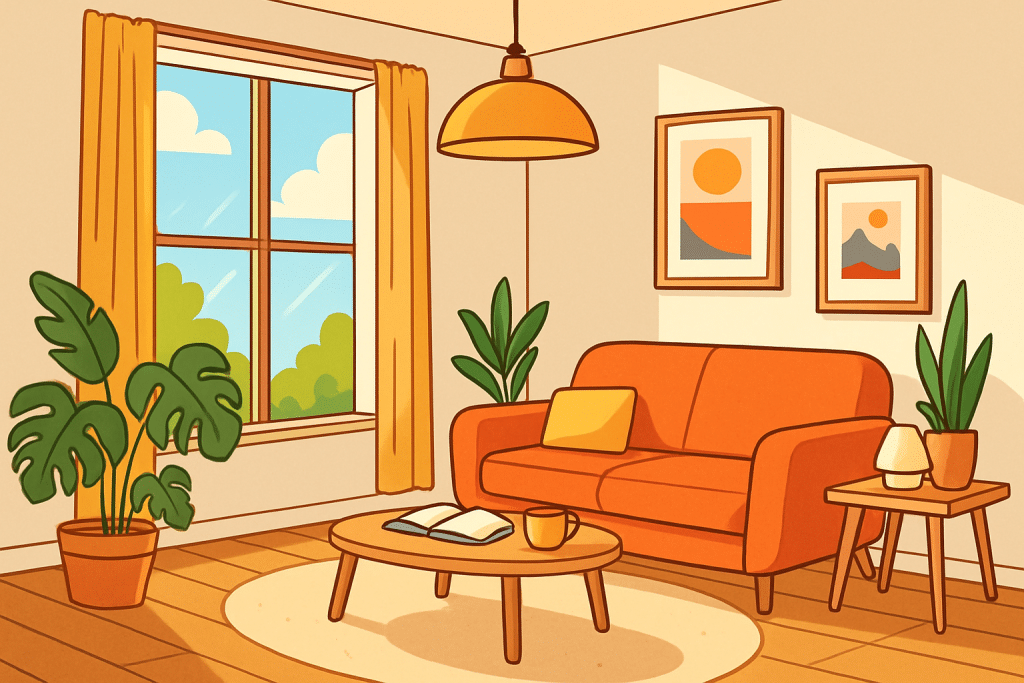
Example: Imagine a small living room with one large window. A bulky L-shaped couch placed directly under it will cut the light in half. Swap it for a sleek two-seater sofa pushed to the side, add a low glass coffee table, and hang floating shelves instead of a tall bookcase. The window remains unobstructed, and the room feels instantly brighter and more inviting.
6. Skylights and Solar Tubes
For rooms with limited access to windows, skylights and solar tubes are excellent solutions. Solar tubes capture daylight through reflective piping and diffuse it indoors—ideal for bathrooms, hallways, and kitchens.
Skylights placed on north-facing roofs provide consistent, glare-free light year-round.
7. Biophilic Design and Indoor Plants
Plants near windows don’t just improve aesthetics—they enhance the perception of brightness. Biophilic design emphasizes a connection to nature, and studies show that homes incorporating greenery and daylight improve well-being and indoor air quality (Kellert & Calabrese 2015).
8. Smart Glass and Light-Control Technology
Emerging technologies are making it easier to control natural light. Smart glass can switch between transparent and opaque states, providing flexibility in privacy and daylight management. Coupled with automated blinds, these solutions optimize natural light based on the time of day.
9. Flooring Choices That Reflect Light
Flooring plays a critical role in light distribution. Light-toned wood, polished concrete, and tiles with reflective finishes help spread daylight evenly. Carpets in neutral shades also contribute without absorbing too much light.
10. Integrating Outdoor Spaces
Balconies, patios, and gardens connected with glass doors allow exterior light to become part of the interior design. By aligning interior furniture with outdoor views, the visual effect further enhances perceived brightness.
Conclusion
Designing with light is about more than just aesthetics—it’s about well-being, energy efficiency, and functionality. The interior design ideas that maximize natural light—from using brighter color palettes and smart furniture placement to adopting new technologies—can transform any space into one that feels open, vibrant, and healthy.
References
- House Beautiful. (2022) 8 Designer Tips to Maximize Natural Light in Your Home. Available at: https://www.housebeautiful.com/t (Accessed: 23 September 2025).
- Architectural Digest. (2021) How to Bring More Natural Light Into Your Home, According to Experts. Available at: https://www.architecturaldigest.com (Accessed: 23 September 2025).
- Houzz. (2023) 12 Interior Design Tricks to Brighten Your Space With Natural Light. Available at: https://www.houzz.com/ (Accessed: 23 September 2025).

 How AI Supports Innovation in Small Businesses