Gardening Techniques That Maximize Growth
Giulia Bianchi September 25, 2025
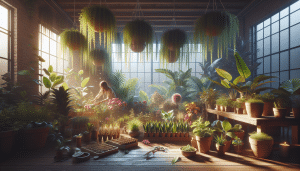
Gardening techniques that maximize growth are evolving rapidly, blending technology, sustainability, and science. In 2025, gardeners can boost yields, reduce effort, and create resilient gardens by applying innovative strategies backed by research and new trends.
Why Growth-Focused Gardening Is Surging
Food prices, climate challenges, and the rise of home sustainability movements are driving demand for methods that maximize garden growth. More households now see gardening not just as a hobby but as a necessity for fresh, reliable produce. According to the National Gardening Association, U.S. home gardening participation jumped by over 20% in the past five years (National Gardening Association 2023).
1. Precision Gardening with AI and Sensors
Smart gardening tools powered by AI now analyze soil nutrients, track plant stress, and recommend watering schedules. Soil moisture sensors paired with mobile apps allow gardeners to deliver water and nutrients at exactly the right time. Research shows precision irrigation can cut water use by 30% while improving yields (Food and Agriculture Organization 2021).
Practical Tip: Install a Bluetooth soil monitor and sync it to a gardening app. It will alert you when plants need water or fertilizer, eliminating guesswork.
2. Vertical Gardening for Space Efficiency
Vertical gardening isn’t just an urban trend—it’s now one of the most effective gardening techniques that maximize growth. By stacking plants on walls, shelves, or hydroponic towers, you can increase yields per square foot dramatically. A recent study found vertical hydroponics can produce up to 11 times more lettuce per area compared to soil beds (Despommier 2020).
Practical Tip: Use modular stackable planters indoors or on balconies to expand production without extra land.
3. Regenerative Soil Practices
Healthy soil is the foundation of growth. Practices such as no-till gardening, composting, and cover cropping restore nutrients and improve water retention. Soil scientists note that regenerative techniques can increase soil organic matter by 40% in just three years (Rodale Institute 2022).
Practical Tip: Rotate leafy greens with legumes like beans to naturally fix nitrogen and cut fertilizer costs.
4. Companion Planting for Natural Boosts
Companion planting is the old-school gardener’s secret weapon. Instead of relying heavily on pesticides or synthetic boosters, you can let plants do the teamwork for you. The idea is simple: certain crops grow better side by side because they share nutrients, attract beneficial insects, or keep pests away. When done right, your garden becomes a little ecosystem where everything supports everything else.
For example:
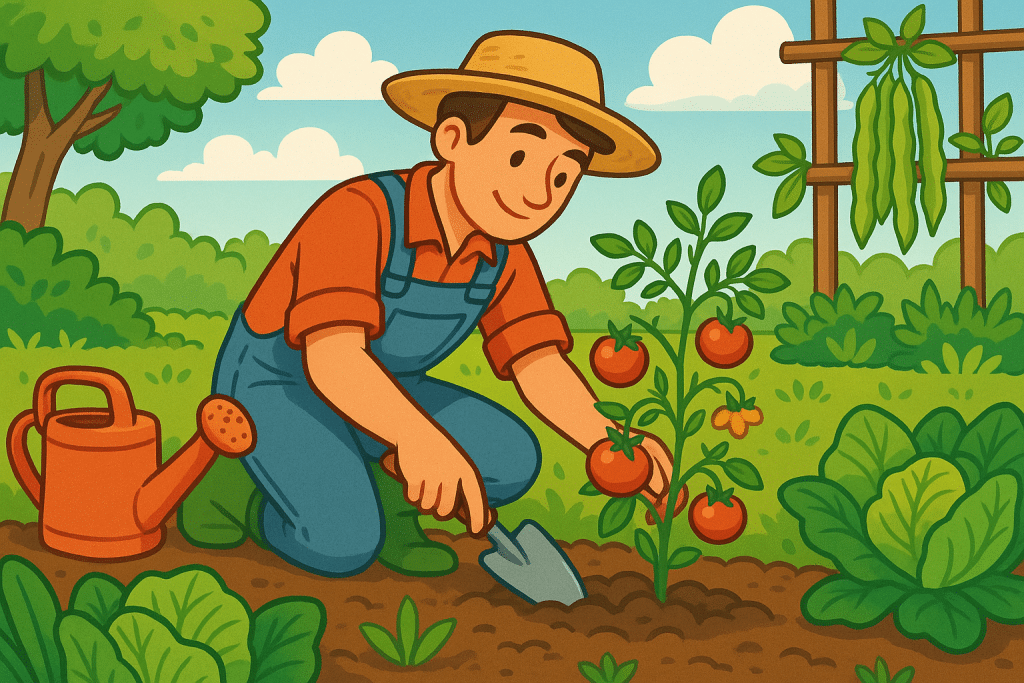
- Tomatoes + Basil → Basil not only makes your pasta taste better but also improves the flavor of tomatoes and helps repel pests like aphids and hornworms.
- Corn + Beans + Squash (The Three Sisters) → A Native American classic. Corn gives beans a pole to climb. Beans fix nitrogen in the soil, enriching it for the others. Squash shades the ground, keeping weeds down and moisture locked in.
- Carrots + Onions → Carrots attract pests that onions repel, and onions deter carrot flies. It’s a win-win pairing.
- Cabbage + Dill → Dill attracts beneficial wasps that prey on cabbage worms, saving your brassicas from becoming lunch.
Research backs this up. According to Iowa State University Extension (2022), companion planting can cut down pesticide needs while increasing harvest sizes. Other agricultural studies note that diverse plantings encourage pollinators and build healthier soil over time.
Practical Tips to Try:
- Make a chart: Keep a laminated companion planting chart in your shed or greenhouse. That way, you can check it before sowing instead of trying to remember which plants “like” each other.
- Think rotation: Don’t plant the same companions in the same place year after year. Rotate them to avoid soil fatigue and pest buildup.
- Start small: Try one or two pairings this season—like tomatoes with basil or carrots with onions—before going full master gardener mode.
- Observe: Notice how your plants look, taste, and yield when planted together. Every garden is unique, and your local conditions might favor some combinations more than others.
Companion planting isn’t about following rigid rules. It’s about encouraging natural cooperation between crops so your garden stays balanced, healthy, and productive without as much chemical intervention.
5. Hydroponics and Aeroponics at Home
Soil-free growing methods are moving into mainstream gardening. Hydroponic systems provide roots with nutrient-rich water, while aeroponics mists roots with nutrients and oxygen. These methods can accelerate growth rates by 25–50% compared to traditional gardening (Resh 2022).
Practical Tip: Small countertop hydroponic kits are now affordable, making year-round lettuce or herbs possible in kitchens.
6. Climate-Resilient Crops
With unpredictable weather, choosing climate-resilient seeds is crucial. Breeders are releasing drought-resistant tomatoes, heat-tolerant spinach, and even flood-tolerant rice varieties. The USDA highlights that resilient crop choices can maintain yields during extreme weather swings (USDA 2023).
Practical Tip: Look for “drought-tolerant” or “heat-hardy” labels when buying seeds in 2025 catalogs.
7. Smart Composting Systems
Composting has always been essential, but new “smart bins” speed up decomposition using aeration and microbial boosters. This creates nutrient-dense compost in weeks instead of months. A 2023 study showed gardens using compost produced 32% higher yields than synthetic fertilizers alone (Journal of Soil Health 2023).
Practical Tip: Use kitchen scraps with carbon-rich material (leaves, shredded paper) to maintain balance and avoid odors.
8. Mulching for Growth and Water Retention
Mulching is one of the simplest gardening techniques that maximize growth. A thick organic mulch layer reduces weeds, regulates soil temperature, and improves moisture retention. According to Michigan State University Extension, mulched soil can retain 25% more water in summer compared to bare soil (MSU Extension 2022).
Practical Tip: Shred fallen leaves in autumn to create free, nutrient-rich mulch for spring beds.
9. Biodiverse Pollinator Support
Maximizing growth isn’t only about soil and water—it’s about pollinators. Planting flowers like lavender, sunflowers, and bee balm ensures bees and butterflies thrive, boosting fruit and vegetable yields. Research from the University of California found pollinator diversity increased fruit set by 24% in small gardens (UC Davis 2021).
Practical Tip: Dedicate at least 10% of your garden to wildflowers or flowering herbs to attract pollinators.
10. Water Recycling Techniques
Rainwater harvesting and greywater recycling are rising trends. Collecting rooftop rainwater or reusing filtered shower water provides an eco-friendly irrigation supply. EPA data shows rain barrels can save up to 1,300 gallons of municipal water per household annually (EPA 2022).
Practical Tip: Install a rain barrel system connected to drip irrigation for consistent watering without raising bills.
The Future of Growth-Optimized Gardening
As 2025 unfolds, gardening is moving from intuition-based practices to science-driven systems. By adopting these gardening techniques that maximize growth—precision tools, vertical systems, resilient crops, and soil health practices—gardeners can future-proof their harvests while contributing to sustainability.
References
- Royal Horticultural Society (2022) How to grow plants successfully. Available at: https://www.rhs.org.uk (Accessed: 24 September 2025).
- Penn State Extension (2023) Soil preparation and testing for vegetable gardens. Available at: https://extension.psu.edu/ (Accessed: 24 September 2025).
- U.S. Department of Agriculture (2021) Conservation practices to improve soil health and plant growth. Available at: https://www.nrcs.usda.gov/ (Accessed: 24 September 2025).

 Easy Indoor Plants That Thrive With Little Care