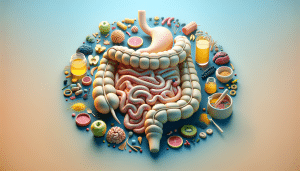
Unlocking Secrets of Gut Health for Vitality
Lucia Fernandez September 29, 2025
Gut health influences more than digestion—it’s linked to energy, mood, and immunity. This guide unpacks the connection between the microbiome and well-being, exploring everyday habits that can help support a balanced gut ecosystem.
Understanding Gut Health and Its Impact
The term ‘gut health’ refers to the balanced function and harmonious ecosystem of the digestive tract, particularly the intricate world of the gut microbiome. The human gut contains trillions of bacteria, both helpful and potentially harmful, that influence every aspect of health, from nutrient absorption to inflammation and even mental clarity. By nurturing beneficial gut bacteria, the entire immune system gets a boost, and multiple processes run smoother. Studies emphasize how a robust microbiome is a foundation for overall vitality—meaning simple day-to-day choices can have big effects. Those interested in natural health and wellness often begin their journey with gut health, thanks to its wide-reaching impact (https://www.ncbi.nlm.nih.gov/pmc/articles/PMC5641835/).
Gut health extends its influence beyond digestion. Research highlights a close link between gut composition and immune response as well as mood stability. For many, unexplained fatigue or recurring illnesses reveal an imbalance in their gut flora. Addressing this can lead to benefits like a stronger immune system, better energy levels, and improved skin appearance. The interplay between the gut-brain axis—how gut signals communicate with the brain—has become an exciting area of wellness science. By focusing on natural ways to support gut bacteria, individuals seek to enhance their sense of well-being in a holistic way.
Digestive wellness is a dynamic balance. It’s easy for stress, irregular meals, or a diet high in sugars to tip the scales, causing symptoms like bloating, discomfort, or brain fog. Fortunately, understanding how the gut microbiota works empowers individuals to take preventive steps. These might include selecting prebiotic-rich foods, adding fermented items to diets, and keeping a watchful eye on antibiotic use, which can disturb bacterial populations. With more education, people are discovering that gut health is an accessible avenue for improved quality of life.
How Your Diet Shapes the Microbiome
The foods consumed daily are a direct lifeline for gut bacteria. Diets rich in fiber provide the fuel that beneficial microbes need to thrive. Whole grains, fruits, and vegetables not only deliver nutrients for the body but also prebiotics that support microbial diversity. A diverse microbiome is thought to be more resilient and efficient at aiding digestion and absorbing nutrients. Emerging research delves into which fibers—such as those in oats, bananas, and asparagus—have the greatest positive impact and how even small diet modifications can reshape microbial communities (https://www.hsph.harvard.edu/nutritionsource/food-features/gut-microbiome/).
Fermented foods bring unique strains of beneficial bacteria directly into the digestive system. Yogurt, kefir, sauerkraut, and kimchi introduce probiotics, helping to rebalance the intestinal flora, especially after stress or illness. Including these foods on a regular basis may bolster the body’s defenses and shorten recovery time from digestive disturbances. There’s growing interest in this area, as many people find even modest improvements in gut health translate to noticeable benefits in energy and regularity.
Sugar and processed foods are common disruptors of gut harmony. Frequently eating high-sugar snacks or sweetened drinks encourages unfavorable bacteria to multiply, sometimes at the expense of health-promoting strains. Processed food additives can have similar effects. Learning to recognize these links provides guidance for making healthier choices that go beyond calories and macronutrients. A well-fed, balanced gut supports vitality and can help buffer the system from occasional dietary missteps.
Gut Health and Immune Resilience
It’s astonishing how much of the immune system is rooted in the digestive tract. More than two-thirds of immune tissue and cells are clustered in or near the gut lining. These tissues interact constantly with the microbiome, shaping immune responses and helping the body identify threats. When gut flora is diverse and robust, it helps signal a healthy balance between tolerance and defense, leading to improved resilience against everyday bugs and environmental stressors (https://www.niaid.nih.gov/research/microbiome-immune-system).
Disruption in gut microbiota—for example, after antibiotic use or due to chronic stress—can upset that delicate immune balance. Many people notice increased susceptibility to colds or lingering low-grade inflammation under such conditions. Research suggests that foods supporting gut health also help maintain immune homeostasis, making this a practical entry point for anyone interested in overall wellness and not just digestive comfort.
Supporting the gut-immune connection doesn’t require dramatic interventions. Simple habits, like daily walks in nature or drinking plenty of water, complement a fiber- and probiotic-rich diet. Over time, these steps help reestablish a solid foundation in which immune responses are more effective and less likely to overreact. For many, this translates to not only fewer sick days but overall lighter feelings in both body and mind.
The Gut-Brain Axis and Mood Balance
The phrase ‘gut feeling’ might be more than just a saying. The gut-brain axis is the two-way communication highway between the digestive tract and the brain. Signals sent by gut bacteria influence neurotransmitter production, impacting mood, stress responses, and even sleep rhythms. Some individuals notice changes in emotional well-being when their digestion becomes irregular or out of balance. There’s mounting scientific interest in using dietary interventions to help with mood management and cognitive clarity (https://www.hopkinsmedicine.org/health/wellness-and-prevention/the-brain-gut-connection).
Gut-produced neurotransmitters, like serotonin and dopamine, are key to feelings of contentment and stable mood. Since a large portion of serotonin is produced in the digestive tract, gut health is tied directly to emotional health. Scientists continue to explore how carefully chosen nutrition can nudge this axis toward more balance and resilience. Integrative and lifestyle medicine are growing fields that combine nutritional strategies with other practices for better overall mental health.
It’s not only what’s on the plate, but also stress levels and daily routines that impact the gut-brain dialogue. Techniques like meditation, slow eating, and mindful movement foster an environment where the microbiome can flourish, indirectly supporting better mood and cognitive performance. Experimenting with small shifts in these habits can sometimes reveal surprising results in both outlook and sense of mental energy.
Lifestyle Factors Affecting the Gut
Gut health is shaped not only by what you eat, but also by how you live. Chronic stress, erratic meal timing, and insufficient sleep each create a ripple in the delicate microbiome. Stress, in particular, can alter gut pH and slow intestinal movement, increasing the risk of discomfort or altered bowel patterns. Mindful living—such as regular exercise and stress management—provides added protection for digestion and microbiome strength (https://www.cdc.gov/healthyweight/healthy_eating/dietary_guidelines.html).
Modern routines sometimes lead to meals eaten on the run or skipped altogether. This unpredictability can confuse natural gut rhythms and create bloat or sluggishness. Establishing simple routines, like sitting down to eat and chewing slowly, benefit digestive mechanics and send a message of calm to the body’s nervous system. A little planning goes a long way in creating an internal environment where gut wellness can thrive.
The use of prescription medications—especially antibiotics or anti-inflammatories—can have an impact on gut flora. While sometimes essential, they can reduce the diversity of beneficial microbes. After such treatments, rebuilding the microbiome through diet or guided probiotic supplementation helps shorten recovery and support balanced gut functioning. Listening to your body and tracking changes empowers better health decisions with every meal and habit.
Everyday Habits for Supporting Your Gut
Cultivating gut health starts with daily, manageable habits. Adding a serving of fiber-rich vegetables to each meal, sipping water throughout the day, and incorporating occasional fermented foods can create a positive shift in the microbiome environment. No drastic changes needed—a gentle approach often brings steadier results. Many people find a single gut-friendly action, repeated constantly, is the secret to lasting benefit (https://www.eatright.org/health/wellness/digestive-health/how-to-keep-your-gut-healthy).
Movement is another ally of digestive well-being. Simple activities—like walking after meals, stretching, or practicing gentle yoga—help stimulate digestion and foster regularity. Even light exercise can benefit the gut-brain connection by lowering stress hormones. Gut health is, ultimately, a full-body conversation—individuals report the best experiences when healthy movement is part of the picture.
Finally, paying attention to small signals such as bloating, lethargy, or food sensitivities can be empowering. Rather than viewing these as nuisances, consider them feedback from the gut microbiome, asking for a bit of fine-tuning. Keeping a food and digestion journal may help illuminate patterns that point to easy improvements. Over time, such mindful attention can help restore balance, boost energy, and reveal newfound well-being.
References
1. Rowland, I., et al. (2018). Gut microbiota functions: metabolism of nutrients and other food components. https://www.ncbi.nlm.nih.gov/pmc/articles/PMC5641835/
2. Harvard T.H. Chan School of Public Health. (n.d.). The gut microbiome. https://www.hsph.harvard.edu/nutritionsource/food-features/gut-microbiome/
3. National Institute of Allergy and Infectious Diseases. (n.d.). The Microbiome and Immune System. https://www.niaid.nih.gov/research/microbiome-immune-system
4. Johns Hopkins Medicine. (n.d.). The brain-gut connection. https://www.hopkinsmedicine.org/health/wellness-and-prevention/the-brain-gut-connection
5. Centers for Disease Control and Prevention. (n.d.). Healthy eating for a healthy weight. https://www.cdc.gov/healthyweight/healthy_eating/dietary_guidelines.html
6. Academy of Nutrition and Dietetics. (2021). How to Keep Your Gut Healthy. https://www.eatright.org/health/wellness/digestive-health/how-to-keep-your-gut-healthy

 Emerging Trends in Digital Marketing