Interior Design Ideas That Enhance Creativity
Giulia Bianchi September 30, 2025
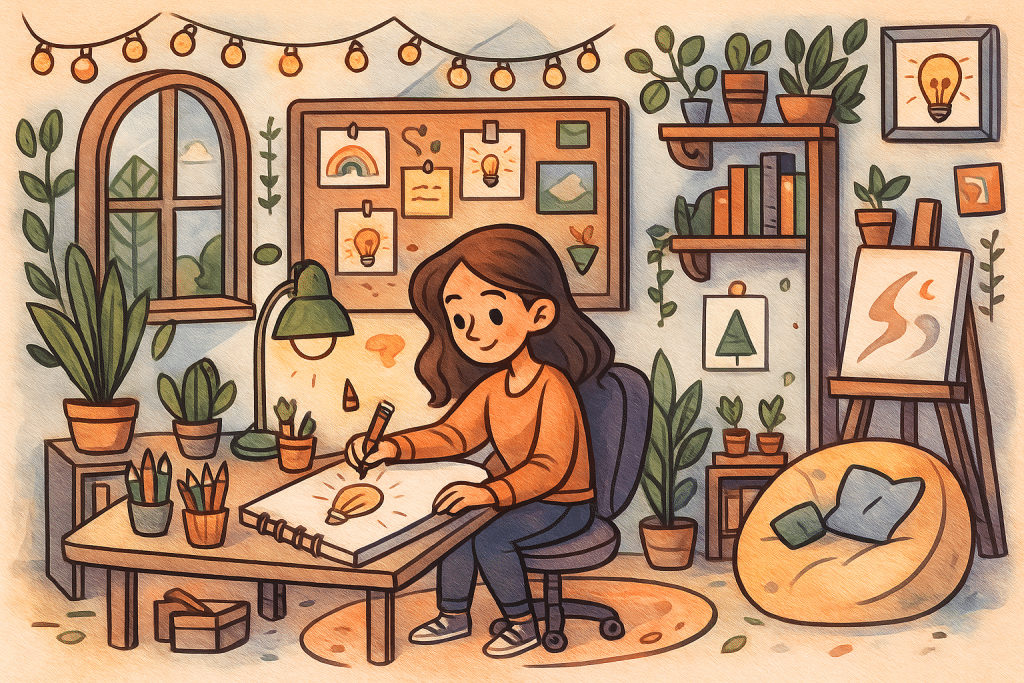
Creativity thrives in the right environment. Whether you’re a designer, entrepreneur, or remote worker, your space directly influences how well you think, focus, and innovate. That’s why interior design ideas that enhance creativity are becoming a top trend in 2025.
Why Creative Spaces Matter
Research shows that our physical surroundings shape mental performance and emotional wellbeing. A study by the University of Exeter found that people working in enriched environments were up to 32% more productive and creative compared to those in bare or minimalist settings (Knight and Haslam 2010). In other words: design isn’t just about aesthetics—it’s about brainpower.
As hybrid work and creative industries boom, more people are rethinking how their homes, studios, and offices can become creativity boosters rather than distractions.
1. Biophilic Design: Bringing Nature Inside
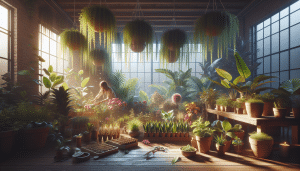
Biophilic design—integrating natural elements indoors—is exploding in popularity. It’s more than just placing a plant on your desk. Think living walls, indoor gardens, natural wood, stone textures, and water features.
- Plants as productivity partners: NASA’s Clean Air Study showed that certain indoor plants reduce toxins and improve air quality, which leads to better cognitive performance (Wolverton et al. 1989).
- Natural light for creative energy: Maximizing daylight exposure regulates circadian rhythms and has been linked to higher creativity scores.
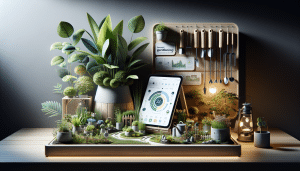
Trend to watch in 2025: Smart hydroponic systems and AI-powered planters that maintain greenery without the need for a green thumb.
2. Flexible, Modular Furniture
Creativity often requires movement—mentally and physically. Fixed furniture can limit ideas, while modular setups support adaptability.
- Desks that convert from sitting to standing.
- Movable partitions to reconfigure space instantly.
- Lounge corners for brainstorming versus formal workstations for focus.
Startups like Branch and Steelcase are leading this movement, offering dynamic furniture that adapts to the flow of ideas.
3. The Rise of Color Psychology in Interiors
Color has always been a powerful psychological tool. In 2025, designers are applying color psychology to boost creativity:
- Blue: Promotes calm and open-minded thinking, great for brainstorming.
- Yellow: Stimulates optimism and energy, sparking bold ideas.
- Green: Balances mood and reduces stress, helping sustained focus.
Recent studies confirm that exposure to specific colors can improve problem-solving and innovation skills (Mehta and Zhu 2009).
Tip: Instead of repainting entire rooms, use color-blocked furniture, accent walls, or LED lighting systems that shift hues depending on your creative task.
4. Tech-Infused Creative Spaces
Smart homes are no longer just about convenience—they’re about cognitive enhancement. In creative interiors, tech is merging with design:
- AI lighting systems: Adjust brightness and color to match circadian needs.
- Soundscaping technology: White noise, nature sounds, or even personalized focus playlists delivered via hidden speakers.
- Augmented reality design tools: Allow creators to project ideas directly onto walls or worktables.
This trend is particularly visible in creative hubs like Berlin, New York, and Tokyo, where design studios are blending tech and artistry seamlessly.
5. Minimalist-Maximalist Balance
Too much clutter kills focus. But too much minimalism can stifle imagination. The new “balanced interiors” trend merges the two: clean, minimalist foundations with carefully chosen maximalist accents.
Examples include:
- A minimalist desk with a bold abstract painting above it.
- Neutral walls contrasted with a patterned rug.
- Streamlined storage systems hiding behind artistic screens.
This balance helps the brain stay calm while still being visually stimulated.
6. Creative Zones at Home
Remote work has blurred the lines between living and working. To stay creative, homes now feature designated creative zones:
- Micro-studios: Small rooms or nooks dedicated to painting, writing, or music.
- Idea boards: Large cork or digital walls for brainstorming.
- Convertible guest rooms: Serving as creative labs during the day, bedrooms at night.
These zones separate “routine” areas from “innovation” areas, helping your brain shift gears faster.
7. Cultural and Personal Storytelling Through Design
Creativity thrives when your environment feels authentic. Many 2025 interior trends focus on storytelling spaces:
- Decor that reflects cultural heritage.
- Travel-inspired elements like Moroccan tiles or Japanese shoji screens.
- Personalized art or handcrafted objects with emotional meaning.
Psychologists suggest that surroundings reflecting personal identity fuel intrinsic motivation, which is key for creativity (Deci and Ryan 2000).
8. Sustainability as a Creative Driver
Eco-conscious design isn’t just ethical—it’s also inspiring. Reclaimed wood, recycled metals, and organic fabrics bring unique textures and narratives into creative interiors.
Sustainable design has been shown to positively influence both wellbeing and innovation because it reduces environmental stress and fosters connection to values (Kellert and Calabrese 2015).
Emerging trend: Upcycled furniture brands offering one-of-a-kind creative pieces.
9. Acoustic Comfort for Mental Flow
Noise pollution is one of the biggest barriers to creative thinking. In 2025, acoustic design is becoming central to interiors:
- Sound-absorbing panels disguised as art.
- Acoustic furniture like high-back chairs for private thinking.
- Layered textiles (rugs, curtains, cushions) that soften soundscapes.
Studies confirm that moderate ambient noise (around 70 decibels) boosts creativity, while loud or distracting noise reduces it (Mehta, Zhu, and Cheema 2012).
10. The Future: AI-Designed Creative Interiors
Looking ahead, AI is moving from a tool to a co-designer. Imagine algorithms that analyze your work habits, then design a personalized creative environment.
Already, platforms like Autodesk and Canva are experimenting with AI-driven design recommendations. In the near future, we might see interiors that evolve dynamically with your creative projects.
Conclusion
The right environment can make the difference between creative block and breakthrough. From biophilic design to AI-powered interiors, these interior design ideas that enhance creativity are shaping how we live and work in 2025.
Whether you’re revamping a home office or building a studio, the goal is the same: create a space that doesn’t just look good, but actively fuels imagination and innovation.
References
- Channon, B. (2019) Happy by Design: A Guide to Architecture and Mental Wellbeing. London: RIBA Publishing. Available at: https://www.ribabooks.com (Accessed: 30 September 2025).
- McCoy, J. M. and Evans, G. W. (2002) ‘The potential role of the physical environment in fostering creativity’, Creativity Research Journal, 14(3–4), pp. 409–426. Available at: https://doi.org/10 (Accessed: 30 September 2025).
- Newman, O. (2021) ‘How interior design affects creativity and productivity’, Forbes, 23 March. Available at: https://www.forbes.com (Accessed: 30 September 2025).

 Emerging Trends in Sustainable Business Practices